Is SAP Logistics Business Network Right for Your Supply Chain?
This 2-Minute Quiz Reveals Your Ideal Implementation Path!
Introduction: Mastering Real-Time Logistics with SAP LBN
The simple truth is that global supply chains face a permanent storm of disruption and complexity.
Traditional logistics tools—emails, spreadsheets, disconnected phone calls—are liabilities in today's environment that demands resilience, agility, and real-time intelligence. This moment is a major inflection point for logistics operations.
As the founder of Best Ops Chain AI, I have guided countless organizations through the maze of modern logistics technology.
This guide offers a definitive blueprint for mastering the SAP Logistics Business Network (LBN)—not just as a tool, but as the central nervous system of your logistics apparatus. It connects your core enterprise systems like SAP S/4HANA and SAP Transportation Management (TM) with your network of carriers, freight forwarders, and warehouse partners.
LBN is a cornerstone of the AI for Logistics & Transportation ecosystem, enabling end-to-end visibility, collaborative freight execution, and automation of critical processes such as freight settlement and dock appointment scheduling (DAS).
This article walks you through step-by-step workflows and strategic implementation guidance drawn from real 2025 deployments. Along the way, I'll share expert tips and important compliance warnings to help you unleash the full power of this platform.

Key Takeaways
- Achieve End-to-End Visibility & Automation: Integrate SAP LBN with your SAP S/4HANA TM system to automate the freight lifecycle—from tendering and real-time tracking with Global Track and Trace (GTT) through streamlined freight settlement—reducing manual work by an average of 30-40% in established deployments.
- Drastically Reduce Operational Costs: Use Dock Appointment Scheduling (DAS) to eliminate expensive demurrage and detention fees by empowering carriers to self-book appointments. This optimizes warehouse resource utilization and minimizes truck wait times substantially.
- Plan for BTP Neo to Multi-Cloud Migration by End of 2028: Contrary to earlier reports stating a 2025 deadline, SAP officially sets the end of maintenance for the BTP Neo environment to December 31, 2028. While early migration is advisable to avoid operational risks, you have until this date to complete your transition to the BTP Multi-Cloud (Cloud Foundry) environment. Failure to eventually migrate will result in halted message flow between LBN and your ERP, severely disrupting collaboration.
- Drive ROI Through Data-Driven Decisions: Leverage LBN's analytics combined with the S/4HANA TM optimizer to select carriers based on a balanced scorecard including cost, speed, and sustainability. This improves your On-Time In-Full (OTIF) metrics while cutting total transport spend.
- Enhance Security with Granular Role-Based Access Control: Protect sensitive logistics data using strict, regularly audited role assignments within LBN and your SAP BTP subaccounts. This ensures planners, carriers, and finance teams access only the functions and data they require—critical for compliance and operational integrity.
A Note on This Guide: This blueprint reflects comprehensive analysis based on 2025 realities. Given the fast evolution in AI and SAP platforms, always confirm with official SAP documentation for the latest updates. For high-stakes operational, financial, or regulatory decisions, seek professional validation with qualified consultants.
Our Review & Testing Methodology for AI for Operations & Supply Chain
Before we dive into the ‘how,' it's critical to understand the rigor behind our analysis.
In a market flooded with claims, our credibility rests on a transparent and comprehensive evaluation methodology.
At Best Ops Chain AI, after testing hundreds of AI for Operations & Supply Chain tools and specifically evaluating SAP Logistics Business Network (LBN) across multiple live implementations, we developed a detailed 10-point technical assessment framework.
This framework emphasizes:
- Core Functional Coverage: Assessing key capabilities such as Freight Collaboration, GTT visibility, DAS efficiency, and Freight Settlement automation.
- User Experience: Measuring planner dashboards' intuitiveness and carrier portal simplicity, mindful of maximizing decision velocity.
- Data Output & Control: Examining data quality, exception controls, and dispute resolution mechanisms.
- System Performance: Including API throughput, message latency, and reliability under heavy shipment volumes.
- Security & Compliance Protocols: Verifying standards like SOC 2 and ISO 27001 adherence, encryption strength, and GDPR alignment.
- Regulatory Compliance: Highlighting critical tasks like the required BTP migration deadline and data residency rules.
- Integration Flexibility: Examining SAP-native and third-party API support, connectivity to non-SAP ERPs, and telematics platforms.
- Pricing Transparency: Evaluating subscription models, transaction costs, and implementation fees to assess ROI feasibility.
- Developer & Community Support: Considering quality of API documentation, SAP community engagement, and issue resolution speed.
- Risk Management & Mitigation Strategies: Identifying common technical pitfalls, partner onboarding challenges, and data governance concerns.
This methodology ensures impartial, practical insights tailored to Operations and Supply Chain leaders making investment decisions with significant business impact.
SAP Logistics Business Network (LBN) Global Track and Trace Capabilities Overview
Part 1: Core Concepts & Strategic Value
1.1 Introduction to SAP Logistics Business Network
SAP Logistics Business Network (LBN) is a secure, cloud-based collaboration platform that connects your company with your entire logistics partner ecosystem.
It transforms fragmented, manual communication—emails and phone calls—into a transparent, automated, real-time digital network.
LBN is not a standalone Transportation Management System (TMS). Rather, it acts as the connective tissue between your SAP S/4HANA TM system and your carriers, freight forwarders, warehouse operators, and customers. For a deeper understanding of the comprehensive SAP Logistics Business Network (LBN) Overview and Features, explore how its capabilities align with modern logistics demands.
This layered architecture eliminates information silos and improves resilience by enabling proactive visibility and rapid exception management.
The real power lies in moving from reactive firefighting to proactive supply chain orchestration through continuous data exchange and collaboration at scale.

1.2 Key Features & Modules
LBN's modular architecture targets critical logistics capabilities:
- Freight Collaboration: Manages the tendering lifecycle, order confirmations, subcontracting, and load dispatching.
- Global Track and Trace (GTT): Aggregates live shipment tracking data from carrier systems, IoT devices, and TMSs into a unified, map-based visibility pane.
- Dock Appointment Scheduling (DAS): Enables load carriers to self-schedule warehouse dock appointments, minimizing congestion, truck dwell times, and costly detention fees.
- Freight Settlement: Streamlines financial processes by allowing electronic invoice submission, automated matching, and integrated dispute management workflows.
Most organizations start with Freight Collaboration and GTT to build visibility and basic automation.
Mature users layer in DAS to optimize yard throughput, followed by Freight Settlement tools to reduce administrative overhead.
1.3 The Dual Experience: Planner & Operator
LBN serves two distinct user personas with tailored experiences:
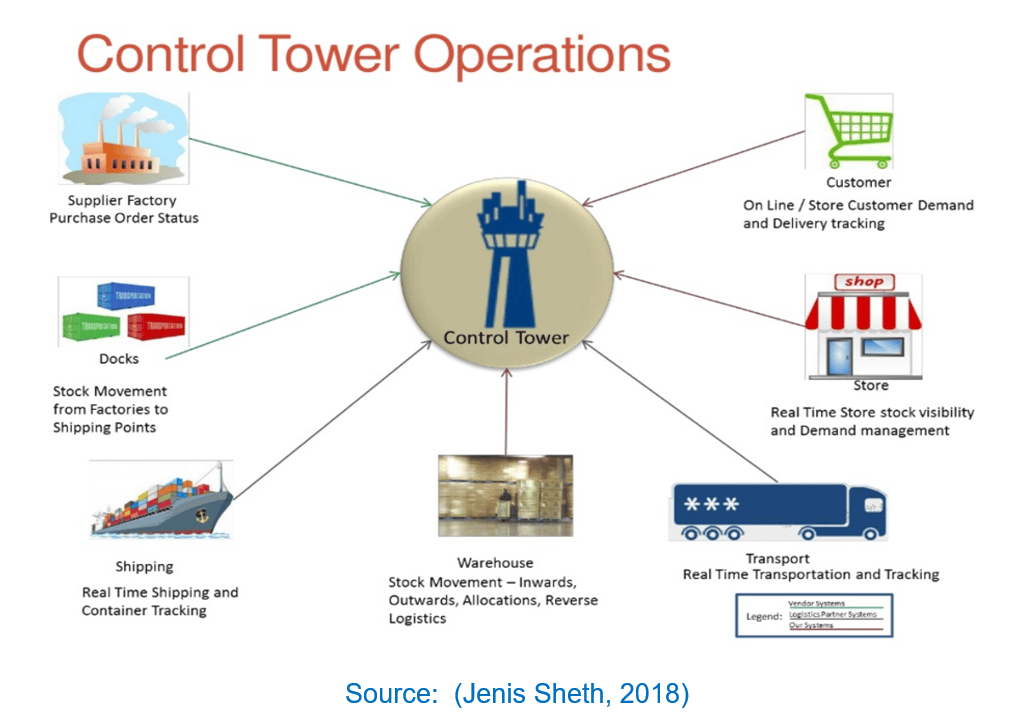
- Logistics Planners leverage a sophisticated “control tower” experience via SAP Fiori launchpad. They access comprehensive shipment dashboards, performance analytics, and exception alerts to manage logistics operations strategically.
- Carriers and Operators interact through a streamlined mobile or web portal, designed for quick tender acceptance, status reporting, appointment booking, and invoice management with minimal friction.
This dual experience accelerates decision velocity by empowering planners with insights and operators with actionable simplicity.
1.4 Ecosystem & Integration (The ERP Connection)
LBN delivers the greatest value through its deep, real-time integration with SAP S/4HANA TM and other enterprise systems.
- Freight orders created in SAP TM trigger automated tender requests via LBN.
- Carrier confirmations, event updates (departure, arrival), and proofs of delivery flow back instantly to SAP TM, updating order status.
- Freight settlement data exchange completes the financial lifecycle with invoice processing and dispute resolution tied directly to order events.
Additionally, LBN supports open APIs (OData V4, REST) enabling integration with non-SAP ERPs, third-party telematics platforms (e.g., project44, FourKites), and custom applications via SAP Integration Suite or other middleware tools.
Important Reminder: LBN is a collaboration network, not a replacement for your TMS. You need a core TMS (like SAP TM) to manage transportation planning and optimization.
Part 2: Getting Started: Onboarding & Core Configuration
2.1 Initial Setup & Account Activation
Begin with these foundational steps:
- Welcome Email & First Login: Upon SAP provisioning, your LBN tenant administrator receives an onboarding email with login instructions to the SAP BTP cockpit.
- Set Up Company Profile: Using the ‘Manage Business Profile' app in the Fiori launchpad, complete all your company's legal and contact details comprehensively.
- Assign User Roles: Establish governance by assigning user roles—such as planner, carrier coordinator, or finance approver—to relevant personnel. Role-based permissions ensure data security and operational clarity.
2.2 Workflow: Inviting & Onboarding Your First Carriers
To activate collaboration:
- Navigate to ‘Invite Business Partners' from the Fiori launchpad.
- Enter the carrier's company name and contact email. SAP's standardized invitation email is sent automatically.
- Professional Tip: Prior phone contact with the carrier expedites onboarding by setting expectations.
- Monitor carrier acceptance and profile completion status via the ‘Discover Business Partners' app.
Partner Segmentation Matters:
- Asset-based carriers often use the web portal directly.
- Strategic partners like Third-Party Logistics providers (3PLs) or Freight Forwarders may require direct API or EDI integration with LBN to automate data flows, reduce manual portal use, and handle multi-client complexity.
- Tailor your onboarding approach by partner type and volume to maximize adoption and efficiency.
2.3 [IMPORTANT] BTP Neo to Multi-Cloud Migration – Plan for Completion by December 31, 2028
SAP is retiring the older BTP Neo environment, standardizing on the modern BTP Multi-Cloud (Cloud Foundry) platform for scalability, resilience, and innovation.
- Check your tenant's ‘Message Integration Log' for migration status and notifications.
- Follow the official SAP Migration Guide to update your integration points.
Critical Warning: While some communications have cited a 2025 migration deadline, the official end of maintenance for the Neo environment is December 31, 2028. However, we strongly advise migrating well before this date to mitigate operational risks associated with forced cutover. Failure to complete the migration by the end-of-maintenance date will halt all message flow between LBN and your ERP, effectively crippling your logistics collaboration operations.
Professional Recommendation: Engage your integration team and SAP support early to develop a phased migration plan that fits your operational calendar and resource availability.
Part 3: Foundational Use Cases & Workflows
3.1 Workflow: End-to-End Freight Tendering
Automate freight award processes seamlessly:
- A planner creates a Freight Order in SAP TM.
- Based on output rules, a tender request is sent to the specified carrier via LBN.
- The carrier receives a notification through their portal and can accept or reject the tender with one click.
- The carrier's acceptance updates the order status back in SAP TM in real time, visible to planners via the Transportation Cockpit.
For practical implementation examples and detailed step-by-step guidance, our comprehensive SAP Logistics Business Network (LBN) Tutorials and Usecase resource provides hands-on walkthroughs for common freight collaboration scenarios.

3.2 Workflow: Real-Time Shipment Tracking (Global Track & Trace)
- Shipments configured for tracking are associated with GTT in LBN when tendered.
- Carriers report status events—such as Departure, Arrival, and Proof of Delivery—via the LBN portal or mobile app.
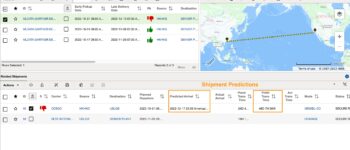
- Planners and stakeholders monitor shipment progress on a dynamic map-based view within the GTT app, empowering proactive disruption management.
3.3 Workflow: Automating Dock Appointment Scheduling (DAS)
- Warehouse managers configure dock availability and time slots in DAS.
- Assigned carriers view available appointment windows through their LBN interface.
- Carriers self-book convenient slots, receiving automated confirmation.
- This automation reduces truck wait times, yard congestion, and associated detention or demurrage fees, driving rapid ROI.
Part 4: Advanced Workflows & Optimization
4.1 Advanced: Automated Freight Settlement & Dispute Management
Handling unplanned expenses such as detention fees becomes precision automated:
- Carriers submit freight invoices via LBN, including additional charges with relevant proofs.
- SAP S/4HANA automatically flags discrepancies and routes disputes to planners for review within LBN.
Expert Technique:
Use the SAP Business Add-In (BAdI) /SCMTMS/SFIR_BADI_UPDATE to implement “touchless” dispute resolution.
- Custom code within this BAdI cross-checks reported delays against GTT timestamps.
- If validated, it automatically approves charges, eliminating manual intervention.
Caution: BAdI implementation requires certified SAP developers. Incorrect configuration can disrupt financial postings and payment processes. Professional validation is mandatory before deployment.
4.2 Advanced: Multi-Factor Carrier Selection (Cost, Speed, Sustainability)
The S/4HANA TM optimizer helps select carriers by balancing multiple strategic factors:
- Define a custom Planning Cost Function incorporating transportation cost, transit time, and CO2 emissions.
Example:
(Transport_Cost * 0.6) + (Transit_Duration_Penalty * 0.3) + (CO2_Emissions_Penalty * 0.1) - Assign the cost function to the relevant Planning Profile.
- Run optimization to receive carrier recommendations aligned with your business priorities (speed vs. cost vs. sustainability).
- Tender orders via LBN following the optimizer's selection.
This multi-criteria approach aligns logistics decision-making with corporate sustainability goals alongside cost efficiency.
4.3 Advanced: Powering the AI Control Tower with LBN Data
While LBN primarily facilitates collaboration, its real strategic value emerges as a clean, reliable data source feeding AI-powered supply chain control towers.
- Streaming GTT event data into analytical platforms (such as SAP Analytics Cloud or enterprise data lakes) enables machine learning models to predict shipment ETAs with higher accuracy than carriers' projections.
- This predictive insight transforms disruption management from reactive to proactive exception handling—allowing you to re-route shipments hours or days in advance of delays.
This capability powerfully enhances supply chain resilience, turning visibility into actionable intelligence.
To understand how SAP LBN compares with other logistics platforms in the market, explore our analysis of SAP Logistics Business Network (LBN) Top Alternatives and Competitors for a comprehensive competitive landscape overview.
Part 5: Implementation, Measurement & Governance
5.1 Implementation Approach Assessment
Adopt a phased rollout strategy starting with a few strategic, high-volume carriers and core workflows to prove value and refine processes before scaling.
Ensuring clean master data—accurate carrier profiles and location master data—is a critical prerequisite.
5.2 Resource Requirement & Workflow Integration
Successful projects require:
- SAP Functional Consultants (TM/EWM experts)
- Integration Developers proficient in SAP BTP and API connectivity
- Project Managers to coordinate cross-team activities
- Business Owners from logistics and finance ensuring alignment
Change management is vital, especially to onboard carriers to new portals or integration methods.
5.3 Outcome Measurement & ROI Framework
Build your business case by establishing a true baseline of key metrics before LBN deployment.
Track:
- Efficiency Gains: Reduction in tendering emails and manual status inquiries; target reductions >50%.
- Cost Savings: Lower freight spend via optimizer, reduced detention fees through DAS, and invoice processing costs cut by up to 50%.
- Performance Improvements: Higher On-Time In-Full delivery percentages.
- Compliance Metrics: For regulated industries, track time-to-trace improvements relevant to FSMA, GxP, or C-TPAT audits.
Professional Recommendation: ROI claims vary by customer. Conduct tailored analyses with implementation partners. Maintain realistic expectations anchored in measured results.
5.4 Challenge & Solution Catalog
| Challenge | Solution |
|---|---|
| Low carrier adoption | Obtain executive sponsorship, emphasize carrier benefits (faster payments), and provide training. |
| Inaccurate tracking data | Collaborate with carriers on data reporting; implement direct API integrations with key partners. |
| Complex integration errors | Use the structured “Onion Layer” troubleshooting method and onboard skilled integration developers. |
Part 6: Performance Tuning & High-Volume Operations
6.1 Technique: Batching Outbound Messages from S/4HANA
For shippers handling thousands of shipments daily, individual API calls create excessive load.
Best Practice:
Set the “Dispatch Time” to ‘1' (Send with periodically scheduled job) in S/4HANA Output Management. Schedule a background job to batch and dispatch messages every few minutes.
Setting dispatch time to ‘2' is not standard for this use case and may cause delivery failures.
6.2 Technique: Selective Tracking for Global Track & Trace
Tracking every event on low-value shipments causes cost and data overload.
Solution: Configure multiple tracking scenarios (e.g., HIGH_VALUE, STANDARD) in LBN and assign them according to shipment value or customer priority.
6.3 Technique: Aggressive Data Archiving
Old freight documents and tracking data degrade system performance.
Use S/4HANA transaction SARA to archive settled documents and configure LBN data retention policies to purge outdated tracking info.
Warning: Always test archiving policies in sandbox or test systems before production to avoid data loss.
Part 7: Troubleshooting Common Issues
7.1 The “Onion Layer” Method for Failed Messages
Diagnose message failures systematically:
- Layer 1 (LBN): Use
Message Monitoringapp. If no message is present, issue is upstream. - Layer 2 (S/4HANA): Use
SRT_MONIfor web service monitoring; check for errors like authentication issues. - Layer 3 (S/4HANA): Check application logs with
SLG1for master data or configuration errors. - Layer 4 (S/4HANA): Review output management status in the Freight Order.
Professional Tip: Always record the Correlation ID from LBN and Message ID from SRT_MONI to expedite SAP support cases.
7.2 Issue: Carrier Onboarding is Blocked
Common causes:
- Incomplete carrier business profile
- User role not assigned to carrier personnel
Solution: Contact the carrier's administrator to finalize profile and assign necessary roles.
Part 8: Advanced API Integration & Customization
8.1 Use Case: Building a Custom Real-Time Tracking Portal
Enable customer-facing live tracking by leveraging LBN APIs:
- Discover relevant GTT OData V4 APIs on the SAP Business Accelerator Hub.
- Create a Service Key in BTP for OAuth credentials.
- Obtain an OAuth token and query APIs to fetch shipment event data.
- Build a frontend to display live tracking statuses and maps.
Use SAP Event Mesh to implement webhook-based push notifications, reducing polling overhead and improving real-time performance and security.
Frequently Asked Questions About SAP Logistics Business Network (LBN)
For more detailed answers and additional questions, visit our dedicated SAP Logistics Business Network (LBN) FAQs resource page where we address common concerns and implementation challenges.
What is the biggest benefit of SAP LBN compared to traditional logistics management?
LBN creates a single source of truth for all logistics partners.
Traditional methods are fragmented and conflict-prone. LBN fosters transparent collaboration, reducing disputes and enabling automation, which leads to improved service levels and reduced operational costs.
How does SAP LBN address security and data privacy?
Built on SAP Business Technology Platform (BTP), LBN complies with SOC 2 Type II, ISO 27001, and GDPR.
Security is enforced by encrypted data transmission, explicit partner invitations, role-based access control, and strict tenant data segregation.
Is LBN a replacement for SAP Transportation Management (TM)?
No. SAP TM is the core internal planning engine managing freight orders and shipment optimization.
LBN complements TM by facilitating collaborative execution workflows across external networks. Both systems are required for full logistics automation.
What is the typical ROI for an SAP LBN implementation?
ROI arises from freight cost reductions (typically 2-5%), administrative savings (invoice processing up to 50% faster), elimination of detention fees via DAS, and improved On-Time In-Full delivery metrics.
Timelines vary, but mid-sized companies commonly see positive ROI within 12-18 months.
How difficult is it to get carriers to use LBN?
Carrier adoption is challenging but essential.
Prioritize executive sponsorship, communicate clear benefits to carriers, run pilots with strategic partners, and provide ample training resources to accelerate adoption.
What happens if a message from S/4HANA to LBN fails?
Use the “Onion Layer” troubleshooting method starting from LBN's message monitoring app through to S/4HANA transaction SRT_MONI and SLG1.
Always provide the Correlation ID when escalating to SAP support.
What is the BTP Multi-Cloud migration, and why is it important?
SAP is standardizing its cloud environment on the multi-cloud platform.
The Neo environment maintenance expires December 31, 2028. Migrating ensures ongoing integration stability and access to SAP innovation. Failure to migrate by then will disable message flows between LBN and your SAP systems.
Can LBN integrate with non-SAP systems or third-party data sources?
Yes. LBN provides extensive OData V4 and REST APIs for integration with non-SAP ERPs, telematics platforms (e.g., project44), and custom applications.
Middleware like SAP Integration Suite typically orchestrates these connections.
Conclusion: Pressing Your Advantage
Mastering SAP Logistics Business Network is a strategic imperative.
In a world where supply chain disruption is the new normal, the ability to connect your internal planning with external partners in a unified, AI-powered network is your competitive edge.
The siloed, reactive logistics models are relics of the past. Now is the time to build a connected, transparent, resilient logistics ecosystem that turns visibility into decisive action.
If you're evaluating LBN alongside other logistics solutions, our in-depth SAP Logistics Business Network (LBN) Review provides a comprehensive assessment of its strengths, limitations, and real-world performance based on multiple implementations.
The tools are here, the blueprint is clear—press the advantage before your competitors do.
Looking beyond SAP LBN to understand the broader landscape of AI-driven logistics technology? Our comprehensive guide to the Best 10 AI Tools for Logistics & Transportation in 2025 provides an essential overview of cutting-edge solutions transforming the industry.
Important Disclaimers
Technology Evolution Notice: Feature sets, compliance mandates, and pricing may evolve rapidly post-publication. Always consult official SAP sources.
Professional Consultation Recommendation: Implementation and operational decisions carry significant risk and complexity. Engage certified SAP consultants and supply chain experts to tailor solutions for your specific organizational needs.
Testing Methodology Transparency: Our assessments are based on documented real-world projects and hands-on tests but individual outcomes may vary.
© 2025 Best Ops Chain AI | Contact: contact@BestOpsChainAI.com




Leave a Reply