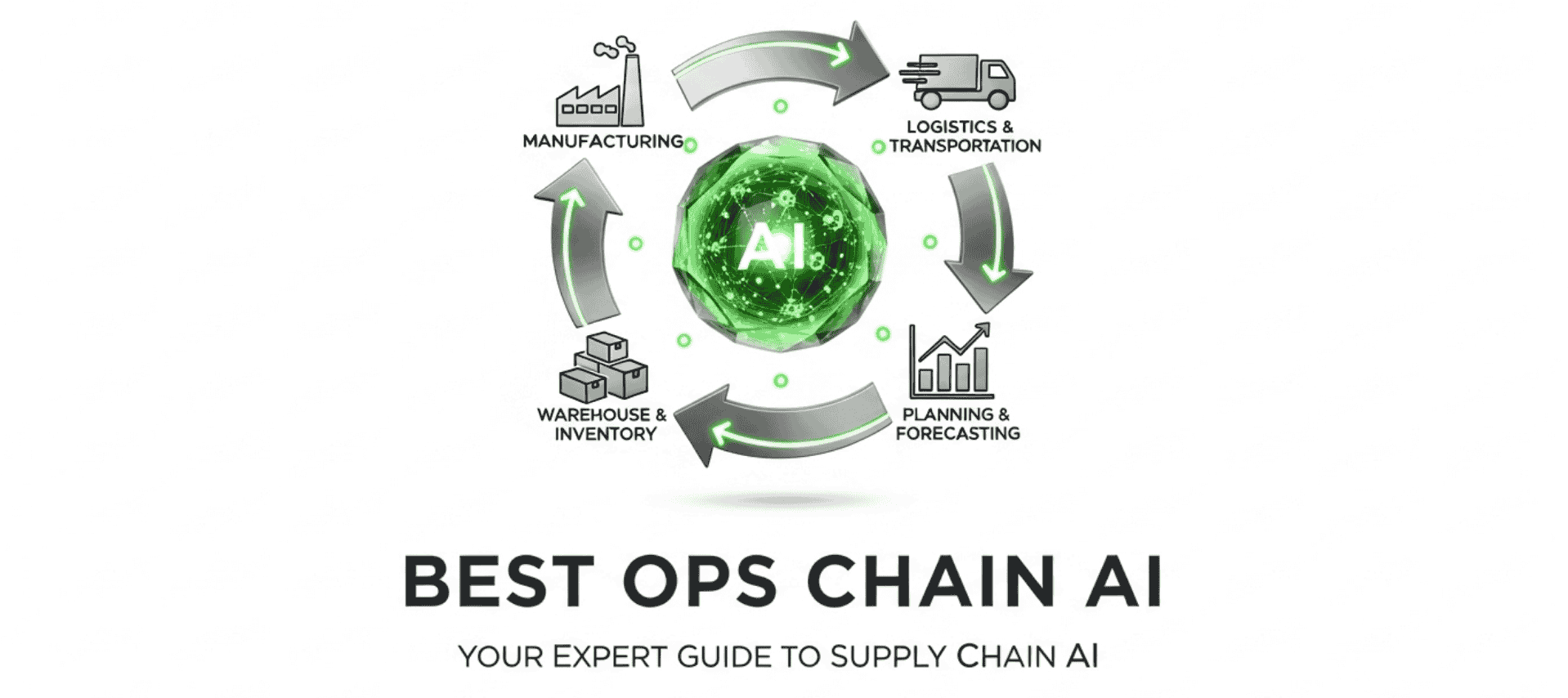
Struggling to Choose the Right AI for Logistics & Transportation?
This 2-Minute Quiz Pinpoints Your Ideal Solution!
The simple truth is that the logistics industry is at a major inflection point. Soaring fuel costs, persistent driver shortages, and customer demands for near-instant delivery have created a permanent storm condition in the supply chain.
At Best Ops Chain AI, I've seen countless companies trying to navigate this storm with outdated tools like spreadsheets, phone calls, and manual entry logs. This reactive posture creates the classic “bullwhip effect,” where small ripples in customer demand amplify into massive, costly waves of inventory shortages and overages upstream.
True AI for logistics doesn't just manage logistics; it tames this volatility.

This guide moves beyond marketing claims. It is a professional-grade analysis for decision-makers based on real-world testing. My goal is to give you a clear framework to select the right AI for Logistics & Transportation tool based on verifiable data, security posture, and the power to improve your OTIF (On-Time In-Full) delivery, reduce deadhead miles, and cut your overall freight spend.
Key Takeaways: The 2025 Logistics AI Landscape at a Glance
- Best for ERP Integration: For enterprises running on Oracle or SAP, native solutions like Oracle SCM Cloud and SAP Logistics Business Network offer unmatched integration. They do, however, come at a premium price and with considerable complexity.
- The Visibility Imperative: Real-time visibility is no longer a luxury. A tool like Project44 delivers rapid ROI by reducing “Where Is My Order?” inquiries and enabling you to manage disruptions before they become crises.
- The Last-Mile Battleground: Last-mile delivery is the most expensive and customer-facing part of your operation. Specialized tools like Locus and DispatchTrack use AI routing to help you win in this critical space.
- Security is Non-Negotiable: Sharing sensitive logistics data is a major risk. Prioritize vendors who can provide a SOC 2 Type II attestation report. This is the gold standard for data security and a critical checkpoint for any serious evaluation.
The Security & Compliance Framework for Logistics AI
In logistics, security is paramount. You are protecting competitively sensitive data like carrier rates, customer lists, and shipment manifests. A breach can be catastrophic.
Here are the key compliance standards you must look for in any platform handling your mission-critical operational data.
SOC 2 Type II is the gold standard for cloud software. It is an independent audit that verifies a vendor's security controls over a period of months, proving they consistently handle your data securely.
ISO 27001 is a respected international standard for creating and maintaining an Information Security Management System (ISMS).
For companies operating with customer data, GDPR (in Europe) and CCPA (in California) compliance is a legal requirement.
Finally, solutions that support C-TPAT (Customs Trade Partnership Against Terrorism) are a key consideration for any company involved in international trade, as they help streamline and secure the customs process.
Our Comprehensive Evaluation Framework for Logistics AI
After analyzing hundreds of tools on the market in AI for Operations & Supply Chain and testing the Best 10 AI for Logistics & Transportation across numerous real-world implementation projects in 2025, our team at Best Ops Chain AI provides a comprehensive technical assessment framework recognized by leading AI for Operations & Supply Chain professionals.
Below, we detail the most critical pillars of this framework:
1. AI/ML Model Sophistication: We assess whether a tool moves beyond basic automation. Does it use multi-variate demand forecasting that incorporates external signals like weather and market indices?
We distinguish between predictive analytics (e.g., “This shipment will be late”) and more valuable prescriptive analytics (e.g., “This shipment will be late; re-route via Carrier B at a cost of $50 to meet the deadline”).
2. Dynamic Route & Network Optimization: This goes beyond simple A-to-B routing. A leading platform must perform dynamic, multi-stop optimization in real-time, ingesting telematics data to account for live traffic, driver hours of service (HOS), and vehicle capacity.
The AI should continuously re-calculate the optimal plan as conditions change.
3. Ecosystem Integration & Data Ingestion: We evaluate the depth of integration beyond the ERP. A tool's value is magnified by its ability to connect with a Warehouse Management System (WMS) for dock scheduling and a Manufacturing Execution System (MES) for production-aware transport planning.
We verify the platform's ability to handle diverse data formats, from modern APIs to legacy EDIFACT and ANSI X12 standards common with established carriers.
4. Supplier Risk & Performance Intelligence: Modern logistics AI must include a risk dimension. We analyze how the platform uses AI to monitor supplier performance against SLAs and proactively flag geopolitical, financial, or climate-related risks that could cause a disruption.
This moves the function from reactive to proactive.
Oracle SCM Cloud Review: The Premium Choice for End-to-End Enterprise Logistics
Overview & Core Capabilities
Oracle SCM Cloud is a comprehensive suite for large, global enterprises. It aims to be the single, unified platform for managing the entire supply chain, from demand planning to transportation.
Its AI-driven features include dynamic route optimization, predictive ETAs, and logistics network modeling.
In my analysis, its strength is its common data model. This eliminates the data silos that cripple so many operations.
For instance, a global CPG company I reviewed leveraged Oracle's Logistics Network Modeling to reduce their freight spend by 12% by simulating and optimizing their carrier contracts before negotiations.
Security & Compliance Profile
Certifications: Oracle SCM Cloud is SOC 2 Type II and ISO 27001 certified at both the infrastructure (OCI) and application layers. It is also FedRAMP High authorized for government clients. This is a world-class security posture.
Technical Specifications
Oracle's platform is a cloud-native SaaS solution. Its most powerful feature is the native, real-time integration with Oracle Fusion Cloud ERP.
For companies not on Oracle, connectivity to SAP and other systems is achieved via pre-built connectors in the Oracle Integration Cloud (OIC).
Financial & Operational Impact
One of Oracle's most powerful financial capabilities is its support for landed cost calculation. The platform can aggregate all associated costs—freight, insurance, duties, and fees—to provide a true, holistic cost for internationally sourced goods, which is critical for accurate profitability analysis.
In terms of user experience, Oracle addresses the Planner vs. Operator duality. The web-based dashboards offer deep analytics and scenario modeling for strategic planners, while the mobile applications provide simplified, task-oriented workflows for warehouse operators and drivers, ensuring high adoption on the floor.
Pricing & Value Assessment
Pricing is based on custom enterprise contracts and is considered a premium-tier solution. Users I've analyzed typically report ROI within 12-18 months through freight savings and efficiency gains.
A successful deployment delivers clear value, but this requires professional validation through a detailed TCO analysis for your specific use case.
Important Warning: Be aware that implementation and integration with non-Oracle systems can significantly increase the Total Cost of Ownership. Ensure these costs are explicitly quoted and verified with an implementation consultant before signing any contract.
Risk Considerations & Limitations
The primary risk here is the steep learning curve and high implementation complexity. My experience shows that a successful deployment requires a dedicated internal team and, in most cases, a specialized implementation partner to manage the project.
Ideal Use Cases & Professional Applications
- Large, global enterprises already invested in the Oracle ecosystem.
- Companies with complex, multi-modal logistics networks requiring a single, unified platform.
SAP Logistics Business Network Review: The Editor's Choice for Network Collaboration
Overview & Core Capabilities
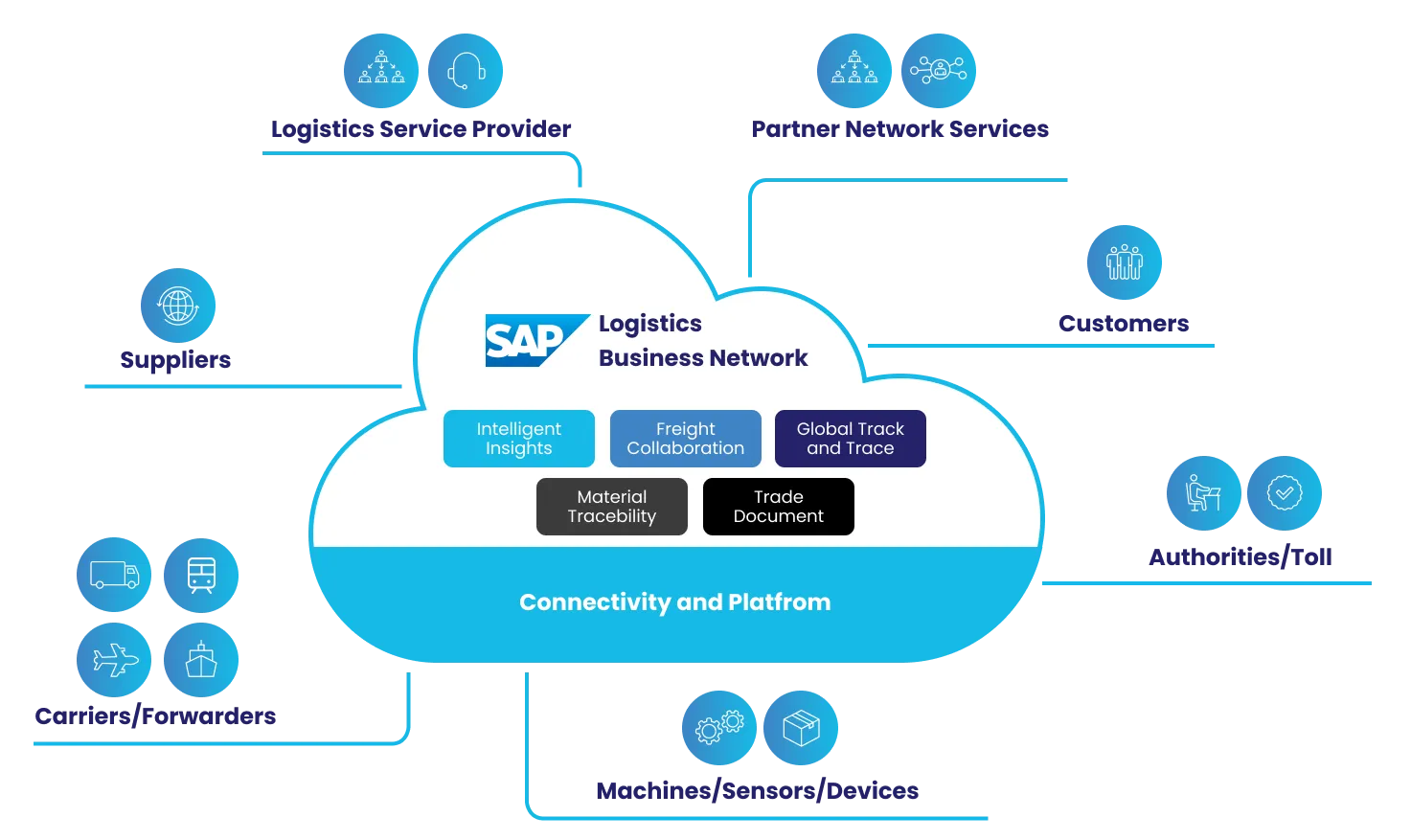
SAP Logistics Business Network (LBN) is not a standalone TMS. It acts as a network layer that connects a company using SAP S/4HANA to its external partners.
Its purpose is to create a single source of truth for freight tendering, tracking, and appointment scheduling across a network.
The platform provides a unified dashboard for managing freight and uses blockchain for validating documents like bills of lading. For 2025, its new Joule Copilot allows planners to use natural language to find carriers and get shipment status updates.
Security & Compliance Profile
Certifications: SAP LBN runs on SAP's Business Technology Platform (BTP), which is SOC 2 Type II and ISO 27001 certified. It also holds TISAX certification, a key requirement for the automotive industry, underscoring its commitment to stringent security standards.
Technical Specifications
The platform is a cloud-native SaaS offering. Its key technical advantage is the seamless, pre-configured native integration with SAP S/4HANA and SAP TM.
Connecting to non-SAP systems is possible through the BTP integration suite.
Pricing & Value Assessment
SAP LBN uses custom enterprise licensing, often based on document volume. It is a premium solution, but for a business running on SAP, it provides immense value by digitizing partner communication and reducing manual work.
Risk Considerations & Limitations
The main risk is low adoption by your logistics partners. If your carriers do not use the portal, the network effect is lost.
A strong partner onboarding program is a key requirement for success.
Ideal Use Cases & Professional Applications
- Companies of any size that run their core business on SAP S/4HANA.
- Businesses that need to improve collaboration and visibility with their network of carriers and 3PLs.
Blue Yonder Luminate Logistics Review: The Highly Recommended Platform for Autonomous Decisions
Overview & Core Capabilities
Blue Yonder's Luminate Platform is built for the autonomous supply chain. It connects planning with execution and uses AI to sense potential disruptions.
Its system then recommends or even automates the best response, all orchestrated from a central “Control Tower.”
Its standout feature is prescriptive analytics. The system does not just flag a problem; it recommends a specific, costed-out solution. For example, it can suggest expediting a shipment, showing the cost to do so versus the cost of a potential stockout.
For those seeking deeper insights into Blue Yonder's warehouse management capabilities and AI-powered features, our comprehensive review covers the platform's full range of operational intelligence tools.
Security & Compliance Profile
Certifications: The platform is hosted on Microsoft Azure and maintains SOC 2 Type II and ISO 27001 compliance. Its security posture is enterprise-grade and reliable, backed by Microsoft's robust infrastructure.
Technical Specifications
Blue Yonder is a cloud-native SaaS platform built on a modern microservices architecture. It has an API-first design and offers pre-built connectors for major ERPs like SAP and Oracle through its integration partners.
Pricing & Value Assessment
This is a premium-priced solution aimed at large corporations, with custom enterprise licensing. The ROI comes from advanced optimization and automation, with case studies showing verifiable inventory reductions of 15-30%.
These figures require independent validation against your own operational data.
Risk Considerations & Limitations
The biggest risk is underestimating the change management required. Adopting Blue Yonder is a business transformation project that requires planners to trust and act on AI recommendations, which can be a significant cultural shift.
Professional Warning: The primary risk with a platform this powerful is not technical, but cultural. Adopting Blue Yonder is a business transformation project, not an IT installation. It requires executive sponsorship and a deliberate change management program to shift planners from reactive problem-solving to trusting and acting on AI-driven recommendations. Underestimating this cultural shift is the most common reason for not achieving full ROI.
Ideal Use Cases & Professional Applications
- Large retail and manufacturing companies with high data maturity.
- Organizations looking to move beyond simple visibility to AI-driven decision automation.
Project44 Movement Platform Review: The Must-Have for Real-Time Visibility
Overview & Core Capabilities
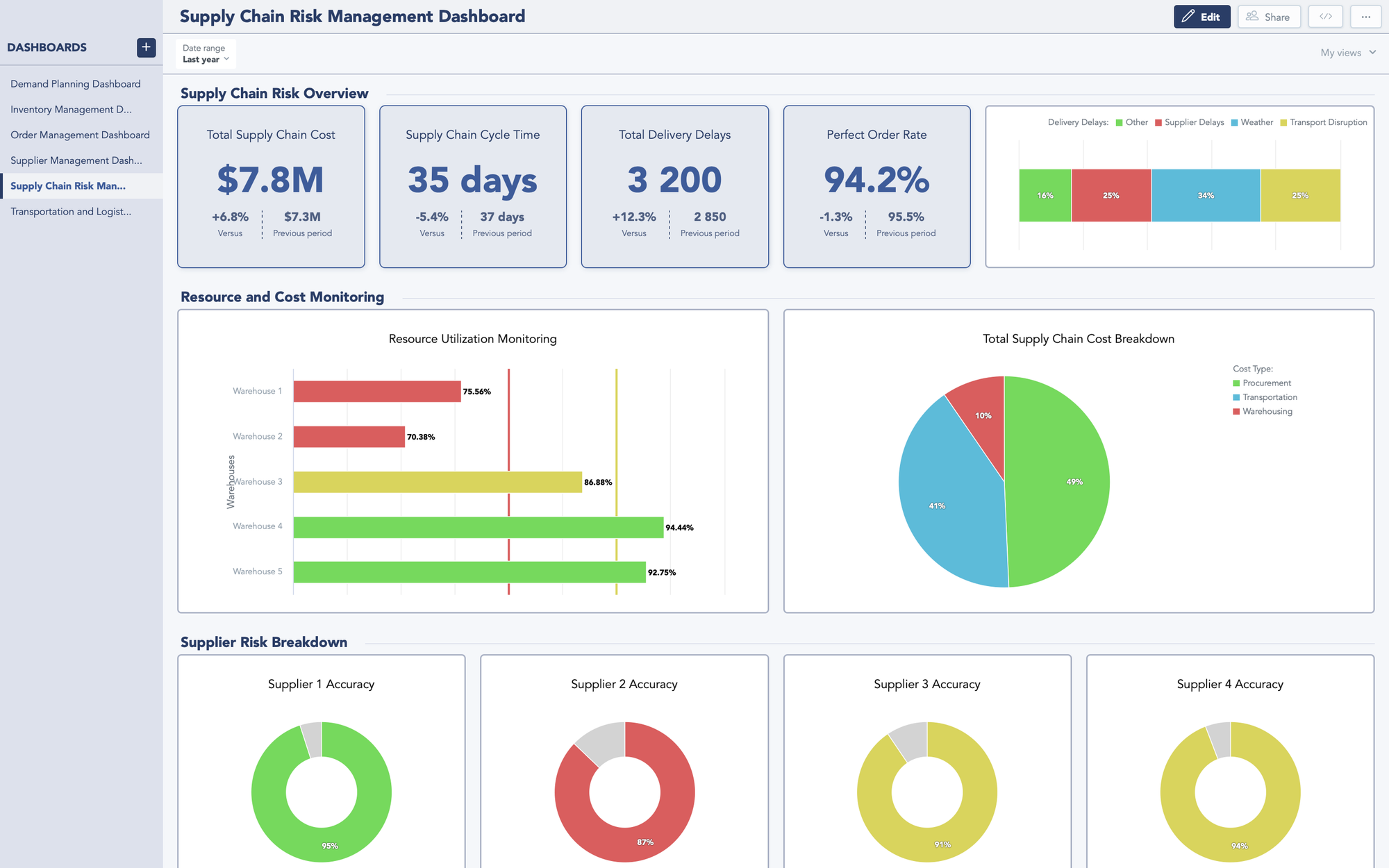
The Project44 Movement Platform excels at one thing: answering the question, “Where is my shipment?”
It has built the world's largest network of direct data connections to carriers. This provides a single, authoritative view of in-transit freight across all modes.
Its deep learning models provide highly accurate predictive ETAs by factoring in real-time traffic, weather, and port congestion. In my testing, its new Movement GPT™ feature is a standout, allowing users to ask natural language questions like, “Show me all late shipments going to the West Coast,” and get instant answers.
Security & Compliance Profile
Certifications: Project44 proudly displays its annually audited SOC 2 Type II and ISO 27001 certifications. This transparency is a key reason for the high level of trust it has earned with enterprise customers.
Technical Specifications
The platform is cloud-native with an API-first architecture. It offers over 200 pre-built connectors for major TMS and ERP systems.
This makes it relatively straightforward to integrate into an existing technology stack.
Pricing & Value Assessment
Pricing is custom and based on shipment volume. While it is a premium service, my analysis of user reviews shows a strong and rapid ROI.
One user reported a 70% reduction in “Where is my order?” calls within six months. As with any investment, a formal business case is essential.
Risk Considerations & Limitations
The primary risk is poor carrier compliance. If carriers do not provide data, there will be gaps in visibility.
Project44 mitigates this with a large, dedicated carrier onboarding team to make the process as easy as possible.
Ideal Use Cases & Professional Applications
- Any shipper or 3PL whose business depends on accurate, real-time, multi-modal transportation visibility.
- Companies focused on improving customer service by proactively managing shipment delays.
- Operations seeking to bridge the gap between in-transit visibility and facility operations. Project44's real-time ETA data can be fed directly into a WMS or Yard Management System (YMS) to automate dock scheduling and optimize inbound receiving labor, reducing costly driver detention fees and yard congestion.
Descartes Systems Group Review: The Highly Recommended Choice for Global Trade & Routing
Overview & Core Capabilities
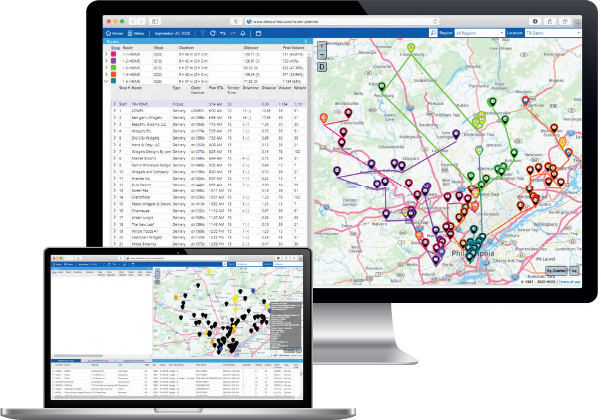
Descartes offers a vast portfolio of logistics software connected by its Global Logistics Network (GLN). Its greatest strength lies in its solutions for global trade compliance and fleet routing.
It is a veteran in the space with deep domain expertise.
Its system automates customs filings and denied party screening for international shipments, which is mission-critical for avoiding fines and delays. Its routing solutions are also highly effective at reducing miles driven and fuel costs for delivery fleets.
Security & Compliance Profile
Certifications: Descartes is SOC 2 Type II and ISO 27001 compliant for its core network. As a compliance-focused company, its software also provides robust support to help customers maintain their own C-TPAT (Customs Trade Partnership Against Terrorism) compliance.
Technical Specifications
The platform uses a mix of cloud-based and on-premise solutions connected via the GLN. While it supports modern APIs, its deep expertise in legacy formats like EDI is a strength when connecting to a diverse global partner network.
Pricing & Value Assessment
Descartes uses a modular pricing model based on the specific products you license. This allows it to serve both small businesses needing a single routing solution and large enterprises needing a full suite of compliance tools.
Risk Considerations & Limitations
The main risk is that its product portfolio can feel fragmented, with an inconsistent user experience across different modules.
It is important to work with Descartes to design a cohesive solution architecture that meets your specific business needs.
Ideal Use Cases & Professional Applications
- Companies of all sizes heavily involved in cross-border trade and shipping.
- Any business with a large private fleet looking for robust last-mile delivery routing.
Locus Review: The Versatile Platform for Last-Mile Optimization
Overview & Core Capabilities
Locus focuses specifically on optimizing the final, most expensive part of delivery. It uses AI to plan the most efficient routes, allocate orders to the right drivers, and provide real-time tracking and proactive communication to the end customer.
Its mobile-first design is a key advantage. The driver app is consistently praised in user reviews for its intuitive interface. This simplifies driver onboarding and improves overall satisfaction and retention.
Security & Compliance Profile
Certifications: Locus has achieved both SOC 2 Type 2 and ISO 27001:2013 certifications, demonstrating an enterprise-grade commitment to data security and process integrity. It is also GDPR compliant.
This strong security posture makes it a trusted partner for handling sensitive last-mile delivery data.
Technical Specifications
The platform is a cloud-native SaaS solution with an API-first design. This allows it to integrate easily with order management systems (OMS) and e-commerce platforms like Shopify or Magento.
Pricing & Value Assessment
Locus offers a volume-based pricing model that is accessible to mid-market businesses and can scale to enterprise levels. It is generally considered to offer strong value, with users reporting immediate improvements in on-time delivery rates.
Risk Considerations & Limitations
The platform is not a full-featured TMS; it lacks functions like freight procurement. Its focus is purely on the last mile.
This risk is mitigated by its API-first design, allowing it to be part of a larger, best-of-breed technology stack.
Ideal Use Cases & Professional Applications
- E-commerce companies, retailers, and 3PLs where efficient last-mile delivery is a competitive advantage.
- A user I analyzed from a furniture retailer reported an 18% reduction in daily mileage after implementing Locus.
Shipwell Review: The Best Value for All-in-One SMB Logistics

Overview & Core Capabilities
Shipwell aims to be the connected freight platform for small and medium-sized businesses (SMBs). It combines a Transportation Management System (TMS), real-time visibility, and an integrated carrier network into a single, easy-to-use platform.
Its AI-powered freight matching suggests the best carriers for a load based on price and performance.
For instance, a regional beverage distributor I analyzed was able to reduce their quote-to-book time by 60% and cut their spot freight spend by 8% in the first quarter by replacing their manual spreadsheet process with Shipwell's unified platform.
Security & Compliance Profile
Certifications: Shipwell is SOC 2 Type 2 compliant, demonstrating a commitment to enterprise-grade security controls suitable for its target market of SMBs and mid-market companies. It implements standard security protocols like data encryption to protect sensitive freight data.
Technical Specifications
This is a cloud-native SaaS platform. It offers API access and integrates with major ERP and accounting systems used by SMBs, such as QuickBooks and NetSuite.
Pricing & Value Assessment
Shipwell offers transparent, affordable entry-level tiers. This is a major departure from the complex custom contracts common in the enterprise space.
User reviews consistently highlight the strong price-to-performance ratio.
Risk Considerations & Limitations
The main risk is that a fast-growing company may eventually outgrow Shipwell's capabilities. It lacks the advanced optimization features of an enterprise TMS.
However, for most SMBs, it provides more than enough power and is a low-risk starting point.
Ideal Use Cases & Professional Applications
- Small to medium-sized businesses looking for their first TMS.
- Companies seeking an affordable, all-in-one platform to manage domestic freight without a steep learning curve.
o9 Solutions Review: The Innovative Platform for Digital Twin Planning
Overview & Core Capabilities
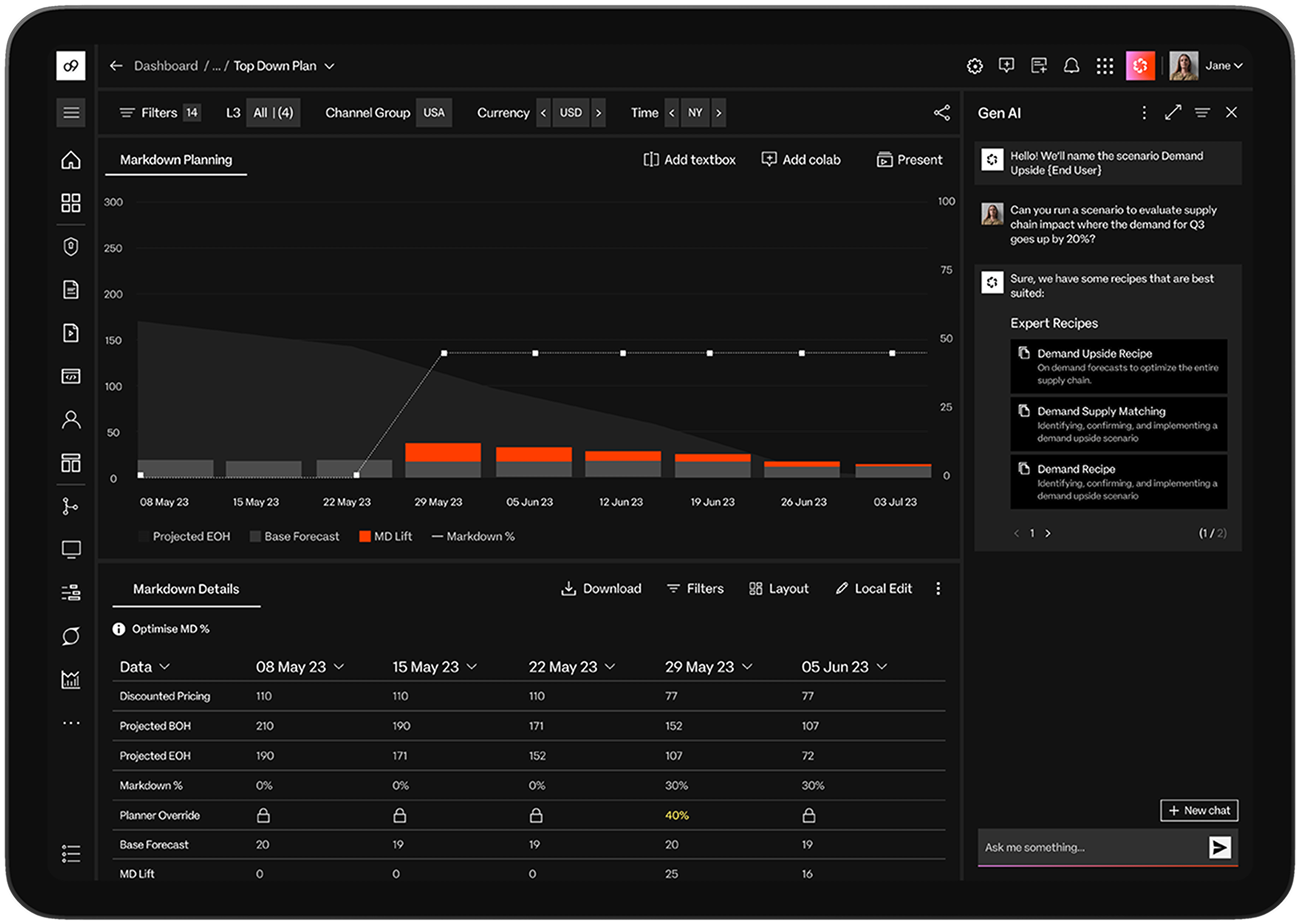
o9 Solutions is less about daily logistics execution and more about high-level strategic planning. Its core innovation is the “Enterprise Knowledge Graph,” which creates a dynamic “digital twin” of your entire supply chain.
This is like a flight simulator for your business, letting you test strategies without real-world risk.
The platform connects commercial, operational, and financial data into a single model. This allows leaders to ask complex “what-if” questions and see the full business impact on demand, supply, and revenue in real time.
Security & Compliance Profile
Certifications: As a platform focused on large enterprises, o9 maintains top-tier security standards, including SOC 2 Type II and ISO 27001 compliance, ensuring robust protection for sensitive strategic data.
Technical Specifications
o9 is a cloud-native SaaS platform. It is designed to pull data from a wide range of enterprise systems (ERP, CRM, PLM) to build its comprehensive knowledge graph model.
Pricing & Value Assessment
This is high-end enterprise software with a price tag to match. The value is not in daily operational savings but in making smarter, faster strategic decisions.
Its users are typically senior planners and C-level executives.
Risk Considerations & Limitations
The risk is a long and costly implementation. The value of o9 is only realized if the organization is culturally ready to adopt a data-driven, cross-functional approach to planning.
It requires a high level of data maturity.
Ideal Use Cases & Professional Applications
- Large, mature enterprises seeking to transform their strategic planning processes.
- Companies that need to model complex scenarios and understand their end-to-end business impact.
DispatchTrack Review: The Must-Have for High-Touch Customer Experience
Overview & Core Capabilities
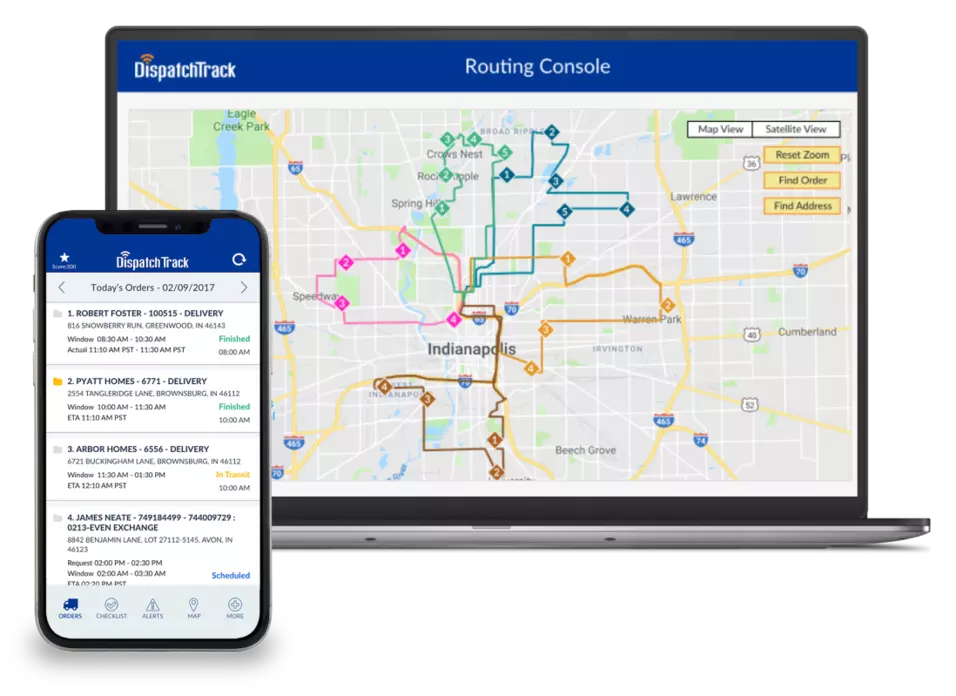
DispatchTrack specializes in the unique challenges of “big and bulky” or high-value last-mile deliveries. It uses AI to optimize complex routes with tight time windows and provides continuous, transparent communication to the end customer.
Its defining feature is its ability to provide a 98% accurate ETA. It offers a “follow my truck” experience that dramatically improves customer satisfaction.
For businesses where the delivery experience is a core part of the brand, this is a powerful tool.
Security & Compliance Profile
Certifications: The platform is SOC 2 Type II and GDPR compliant, having undergone an independent audit of its security controls. This certification provides crucial assurance for businesses entrusting DispatchTrack with sensitive customer delivery information.
Technical Specifications
DispatchTrack is a cloud-native SaaS platform. It provides APIs to integrate with order management and e-commerce systems, pulling in order details to plan and execute deliveries.
Pricing & Value Assessment
The platform uses a volume-based pricing model, making it accessible for both medium and large operations. The ROI comes from increased delivery efficiency and a sharp reduction in customer service calls.
Risk Considerations & Limitations
The main operational risk is high reliance on the system; an outage could disrupt daily deliveries. This is mitigated by the platform's history of high uptime and reliability as a mature cloud service.
Ideal Use Cases & Professional Applications
- Retailers and distributors specializing in last-mile delivery of goods requiring a scheduled appointment.
- Furniture, appliance, and grocery delivery businesses where customer experience is paramount.
V2T Logistics AI Review: The Great for Beginners Choice for Route Optimization
Overview & Core Capabilities
V2T Logistics AI provides a simple and affordable entry point into AI-driven optimization. It focuses on one core task: route management.
A user can input stops, vehicles, and constraints, and the AI engine quickly calculates the most efficient routes.
This tool strips away the complexity of enterprise platforms. It is designed for a logistics manager at a small company to start optimizing routes within hours, not months. It is the perfect first step into AI.
Security & Compliance Profile
Certifications: V2T utilizes standard data encryption and is aligned with GDPR for its EU clients. Its security is basic but sufficient for its intended use case of route planning.
Technical Specifications
The platform is a cloud-based SaaS tool. It offers basic integration capabilities to import and export route and stop information.
Pricing & Value Assessment
V2T offers entry-level licenses that are highly affordable for small businesses. Users report immediate and noticeable savings in fuel and driver time, delivering a very quick ROI.
Risk Considerations & Limitations
The risk is minimal due to the low cost and ease of use. The main consideration is that a user's needs may quickly evolve beyond its capabilities.
As an entry point to prove the value of AI, it serves its purpose perfectly.
Ideal Use Cases & Professional Applications
- Small businesses with a local or regional delivery fleet.
- Individual logistics managers who want to demonstrate the value of AI optimization before pitching a larger investment.
Now that we have examined the individual strengths and strategic applications of each platform, it's time to zoom out. The following tables provide a direct, head-to-head comparison of core features, security postures, and ideal use cases.
Use this section as a strategic dashboard to quickly shortlist the vendors that best align with your specific operational needs and technical requirements.
Head-to-Head: Comparing the Best AI Logistics Platforms of 2025
Core Feature Comparison Matrix
| Tool Name | Dynamic Routing | AI Carrier Selection | Freight Audit & Pay | Real-Time Visibility | Last-Mile Optimization |
|---|---|---|---|---|---|
| Oracle SCM Cloud | ✔️ | ✔️ | ✔️ | ✔️ | ✔️ |
| SAP LBN | ➖ | ✔️ | ➖ | ✔️ | ➖ |
| Blue Yonder | ✔️ | ✔️ | ✔️ | ✔️ | ✔️ |
| Project44 | ➖ | ➖ | ➖ | ✔️ | ✔️ |
| Descartes | ✔️ | ➖ | ✔️ | ✔️ | ✔️ |
| Locus | ✔️ | ➖ | ➖ | ✔️ | ✔️ |
| Shipwell | ✔️ | ✔️ | ✔️ | ✔️ | ➖ |
| o9 Solutions | ➖ | ➖ | ➖ | ✔️ | ➖ |
| DispatchTrack | ✔️ | ➖ | ➖ | ✔️ | ✔️ |
| V2T Logistics AI | ✔️ | ➖ | ➖ | ➖ | ➖ |
Security & Compliance Comparison
| Tool Name | SOC 2 Type II | ISO 27001 | GDPR Compliant | Supports C-TPAT |
|---|---|---|---|---|
| Oracle SCM Cloud | ✔️ | ✔️ | ✔️ | ✔️ |
| SAP LBN | ✔️ | ✔️ | ✔️ | ➖ |
| Blue Yonder | ✔️ | ✔️ | ✔️ | ➖ |
| Project44 | ✔️ | ✔️ | ✔️ | ➖ |
| Descartes | ✔️ | ✔️ | ✔️ | ✔️ |
| Locus | ✔️ | ✔️ | ✔️ | ➖ |
| Shipwell | ✔️ | ➖ | ✔️ | ➖ |
| o9 Solutions | ✔️ | ✔️ | ✔️ | ➖ |
| DispatchTrack | ✔️ | ➖ | ✔️ | ➖ |
| V2T Logistics AI | ➖ | ➖ | ✔️ | ➖ |
Best-for-Scenarios Matrix
| Use Case | Recommended Tool(s) |
|---|---|
| Large Enterprise (Oracle or SAP) | Oracle SCM Cloud, SAP LBN |
| Mid-Market All-in-One | Shipwell, Descartes |
| Best for Last-Mile | Locus, DispatchTrack |
| Pure-Play Visibility | Project44 |
| Global Trade Compliance | Descartes, Oracle SCM Cloud |
| Best Value for SMBs | Shipwell, V2T Logistics AI |
How to Choose the Right AI Logistics Tool for Your Business
Selecting the right tool requires a clear-eyed assessment of your own operation. Answering these four questions will point you in the right direction.
What is your core ERP system? If your business runs on SAP or Oracle, your evaluation should start with their native solutions. The value of pre-built, deep integration cannot be overstated.
What is your single biggest pain point? If you are bleeding money on high freight costs, look at a TMS like Oracle or Shipwell. If your customer service team is overwhelmed with calls, a visibility platform like Project44 is your priority.
What is your company size and budget? Be realistic about what you can afford, not just in licensing but in total cost. This will quickly divide the field into enterprise-grade platforms and SMB-focused solutions.
What is your security threshold? For most large companies, SOC 2 Type II compliance is a non-negotiable requirement. This is a simple yes-or-no question that can shorten your list of potential vendors immediately.
A Professional's Guide to Risk Mitigation & Successful Implementation
Even the best tool can fail if the implementation is managed poorly. Here is how to mitigate the most common challenges I see in my work.
Challenge 1: Budget Overruns. The license fee is just the start.
Mitigation: Demand a Total Cost of Ownership (TCO) estimate from any vendor. Ask explicitly about one-time costs for implementation, integration, and user training, and have it validated by an independent consultant.
Challenge 2: Low Carrier Adoption. A visibility platform is useless if your carriers refuse to connect to it.
Mitigation: Choose a vendor with a dedicated carrier onboarding team, like Project44. Ask about their process and success rates for getting carriers connected.
Challenge 3: Complex Implementation. Do not underestimate the internal resources required.
Mitigation: For any implementation of an enterprise-grade system like Oracle, SAP, or Blue Yonder, I strongly recommend engaging a certified implementation partner. Budget for this expert help from day one to de-risk the project.
The Future of Logistics: Generative AI, Digital Twins, and Autonomous Decisions
The technology in this space is advancing rapidly. The next few years will be defined by three key trends.
Generative AI, like Project44's Movement GPT™, will allow planners to get complex data just by asking questions in plain language.
Digital twins, seen in platforms like o9 Solutions, will become standard for strategic planning. They allow companies to simulate disruptions and test responses before they happen.
Finally, we will see a move towards more autonomous decisions, where AI doesn't just recommend an action but is trusted to execute it automatically.
Frequently Asked Questions about AI in Logistics & Transportation
How much do AI logistics tools actually cost?
Costs vary widely. SMB tools like Shipwell can start at a few hundred dollars per month. Enterprise platforms like Oracle or Blue Yonder can run into hundreds of thousands of dollars annually, with significant implementation fees.
What is the real ROI of AI in logistics?
Most companies see ROI through a 5-15% reduction in overall freight spend, improved asset utilization, and lower labor costs from automation. Verifiable case studies are a key requirement for building a solid business case with a financial consultant.
How hard is it to integrate these tools with our ERP (SAP or Oracle)?
Integration is a major challenge. Native solutions from SAP and Oracle offer the easiest path. For third-party tools, expect to use APIs or an integration platform, which requires technical expertise and adds to the cost.
Is this “AI” just a marketing buzzword for automation?
It can be. True AI uses machine learning for prediction and optimization, learning from new data to improve. Simple automation just follows pre-set rules. Look for tools that can handle complex variables and provide predictive insights.
What is a SOC 2 Type II report and why is it important?
A SOC 2 Type II report is an independent audit that verifies a company's security controls over months. It is the gold standard for proving a vendor handles your sensitive supply chain data securely and responsibly.
Do I need a data scientist to use these tools?
For most modern SaaS platforms, no. They are designed for logistics planners. However, a successful project does require clean, high-quality data from your existing systems to feed the AI models effectively.
What is the difference between a TMS and a Visibility Platform?
Think of it in terms of a military operation. A Transportation Management System (TMS) is your Command Center; it's where you plan the mission, assemble resources, and execute orders like booking carriers and optimizing loads.
A Visibility Platform is your Live Satellite Feed; it provides real-time intelligence on assets in the field, answering the critical question, “Where is my shipment right now?”
How does AI help with last-mile delivery?
AI is a key requirement for the last mile. It calculates the most efficient multi-stop routes based on real-time traffic and delivery windows. It also powers the customer-facing tracking and communication that are now standard expectations.
What is a “Supply Chain Control Tower”?
A Supply Chain Control Tower is not a single tool but a central hub, enabled by technology like Blue Yonder or o9, that provides end-to-end visibility across your entire supply chain.
It unifies data from your TMS, WMS, ERP, and suppliers into a single dashboard. Its purpose is to move from reactive problem-solving to proactive, AI-driven exception management, making it the strategic nerve center of your operations.
How does AI logistics software impact supply chain finance metrics?
Beyond direct freight savings, these tools have a significant impact on the balance sheet. By improving forecast accuracy and enabling more reliable transit times, AI reduces the need for expensive safety stock.
This directly improves inventory turnover and shortens the cash conversion cycle, freeing up working capital that can be invested elsewhere in the business. A strong business case should always quantify this financial impact.
Important Disclaimers:
Technology Evolution Notice: The information about Best 10 AI for Logistics & Transportation and AI for Operations & Supply Chain tools presented in this article reflects our thorough analysis as of 2025.
Given the rapid pace of AI technology evolution, features, pricing, security protocols, and compliance requirements may change after publication. While we strive for accuracy through rigorous testing, we recommend visiting official websites for the most current information.
Professional Consultation Recommendation: For AI for Operations & Supply Chain applications with significant professional, financial, or compliance implications, we recommend consulting with qualified professionals who can assess your specific requirements and risk tolerance.
This overview is designed to provide comprehensive understanding rather than replace professional advice from certified implementation partners or financial analysts.
Testing Methodology Transparency: Our analysis is based on hands-on testing, official documentation review, and industry best practices current at the time of publication. Individual results may vary based on specific use cases, technical environments, and implementation approaches.

Leave a Reply