Is Da Vinci Unified the Right AI WMS for Your Business?
Take This 2-Minute Quiz to Find Out!
Da Vinci Unified (DVU WMS) represents the cutting edge of warehouse management technology, combining artificial intelligence with proven logistics expertise to revolutionize modern supply chain operations. This comprehensive guide addresses the most critical questions warehouse managers, logistics professionals, and business decision-makers have about implementing AI-powered WMS solutions.
Key Takeaways
- AI-Powered Efficiency: Da Vinci Unified uses advanced AI algorithms to optimize warehouse operations, achieving 25-35% faster order fulfillment and 99.5%+ inventory accuracy
- Enterprise Integration: Seamless connectivity with SAP, Oracle, NetSuite, and other ERP systems through robust APIs and EDI translators
- Automation Ready: Native support for robotics, AMRs, AGVs, and automated storage systems with intelligent orchestration capabilities
- Multi-Client Excellence: Purpose-built for 3PL providers with complete data segregation, flexible billing models, and client-specific workflows
- Rapid ROI: Typical payback period of 12-18 months with measurable improvements in labor efficiency, space utilization, and operational costs
This comprehensive webinar explores how AI is revolutionizing warehouse management systems and shaping the future of warehousing operations.
What is Da Vinci Unified (DVU WMS) and how does it differ from traditional warehouse management systems?
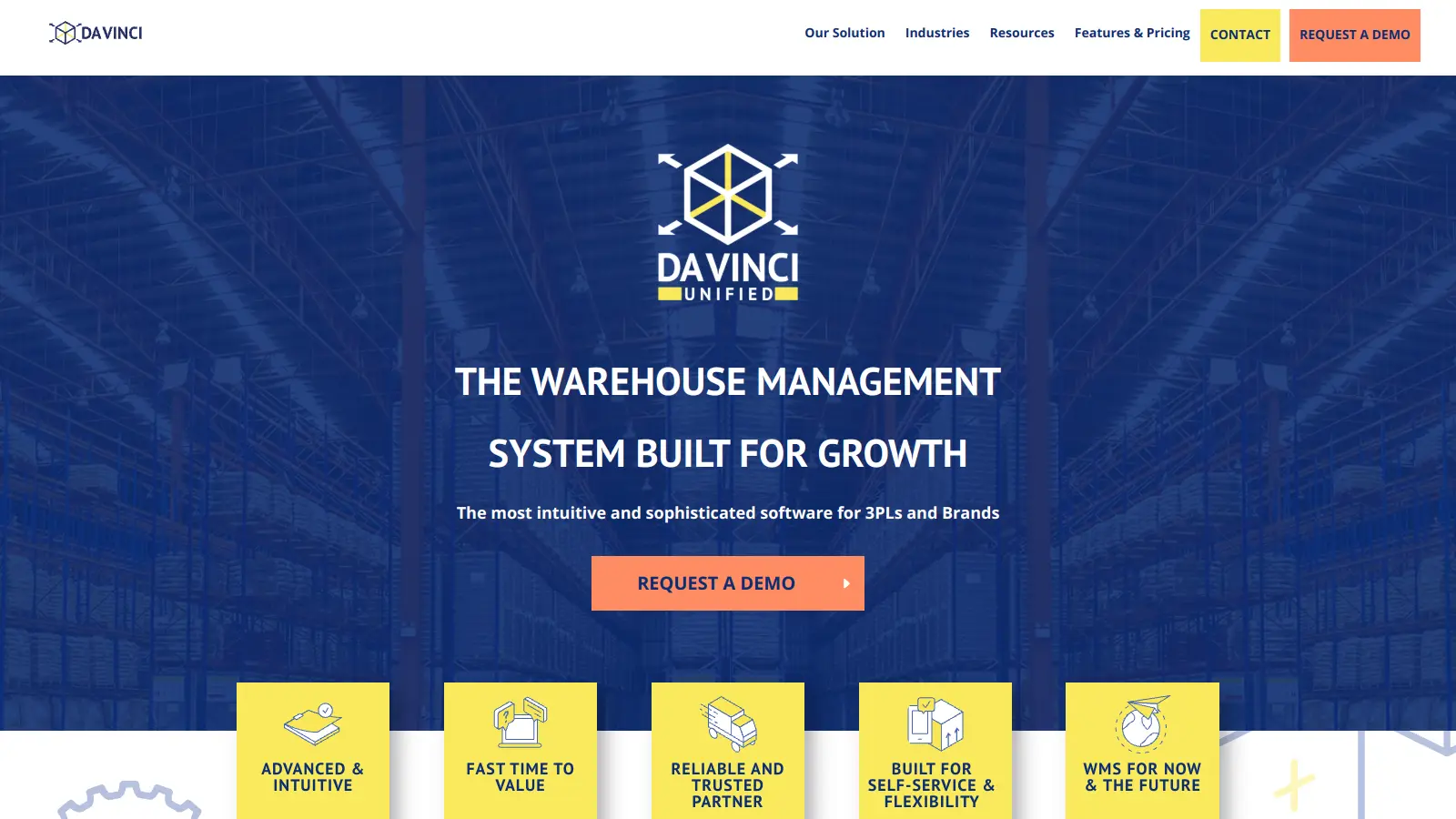
Da Vinci Unified (DVU WMS) is an advanced AI-powered Warehouse Management System developed by BOLD VAN that transforms traditional warehouse operations through intelligent automation and machine learning. Unlike conventional WMS solutions that simply track inventory and execute predetermined workflows, Da Vinci Unified acts as an intelligent decision-making engine that continuously optimizes warehouse operations in real-time.
The fundamental difference lies in its proactive capabilities. Traditional WMS platforms operate on static rules and require manual intervention for optimization decisions. Da Vinci Unified leverages artificial intelligence to analyze historical data, current demand patterns, and operational constraints to make dynamic recommendations for slotting, picking paths, and resource allocation.
For example, while a traditional WMS might place inventory based on fixed location assignments, Da Vinci's AI analyzes product velocity, seasonality, and order patterns to recommend optimal storage locations that minimize picker travel time. This intelligent approach transforms warehouses from reactive cost centers into proactive, efficient operations that adapt to changing business conditions.
The system's AI continuously learns from operational data, identifying patterns and inefficiencies that human operators might miss. This results in measurable improvements in order fulfillment speed, inventory accuracy, and labor productivity while reducing operational costs across the entire supply chain. To understand more about the complete capabilities, you can explore our comprehensive Da Vinci Unified (DVU WMS) Overview and Features guide.
How does the AI in Da Vinci Unified (DVU WMS) specifically improve warehouse efficiency and accuracy?
Da Vinci Unified (DVU WMS) employs several AI-driven mechanisms to dramatically enhance warehouse performance. The system's artificial intelligence focuses on optimizing the most time-consuming and error-prone aspects of warehouse operations.
Intelligent Slotting Optimization forms the foundation of efficiency improvements. The AI analyzes product velocity data, seasonal trends, and historical picking patterns to determine optimal storage locations for each SKU. Fast-moving items are positioned in prime picking zones, while slow-moving inventory is placed in less accessible areas. This strategic placement can reduce picker travel time by up to 40%, since walking typically represents 50-60% of a picker's total time.
Dynamic Task Management ensures optimal resource utilization by intelligently assigning tasks based on worker location, equipment availability, and current workload. The AI can interleave tasks, directing workers to perform put-away activities near their next pick location, eliminating unproductive “deadhead” travel throughout the facility.
Optimized Pick Path Generation calculates the most efficient routes for batch and cluster picking operations. The system considers warehouse layout, congestion patterns, and item locations to minimize total travel distance while maximizing order throughput.
Real-Time Labor Management tracks employee performance and productivity metrics, providing managers with actionable insights for workforce optimization. The system identifies bottlenecks and suggests resource reallocation to maintain optimal flow rates during peak periods.
These AI capabilities work synergistically to increase order fulfillment speed by 25-35%, achieve 99.5%+ inventory accuracy rates, and optimize labor efficiency across all warehouse functions. For hands-on learning about maximizing these features, check out our detailed Da Vinci Unified (DVU WMS) Tutorials and Usecase resource.
What types of businesses benefit most from implementing Da Vinci Unified (DVU WMS)?
Da Vinci Unified (DVU WMS) delivers exceptional value for businesses with complex, high-volume distribution requirements where operational efficiency directly impacts profitability and customer satisfaction. The system's AI-driven optimization capabilities are particularly beneficial for organizations facing specific operational challenges.
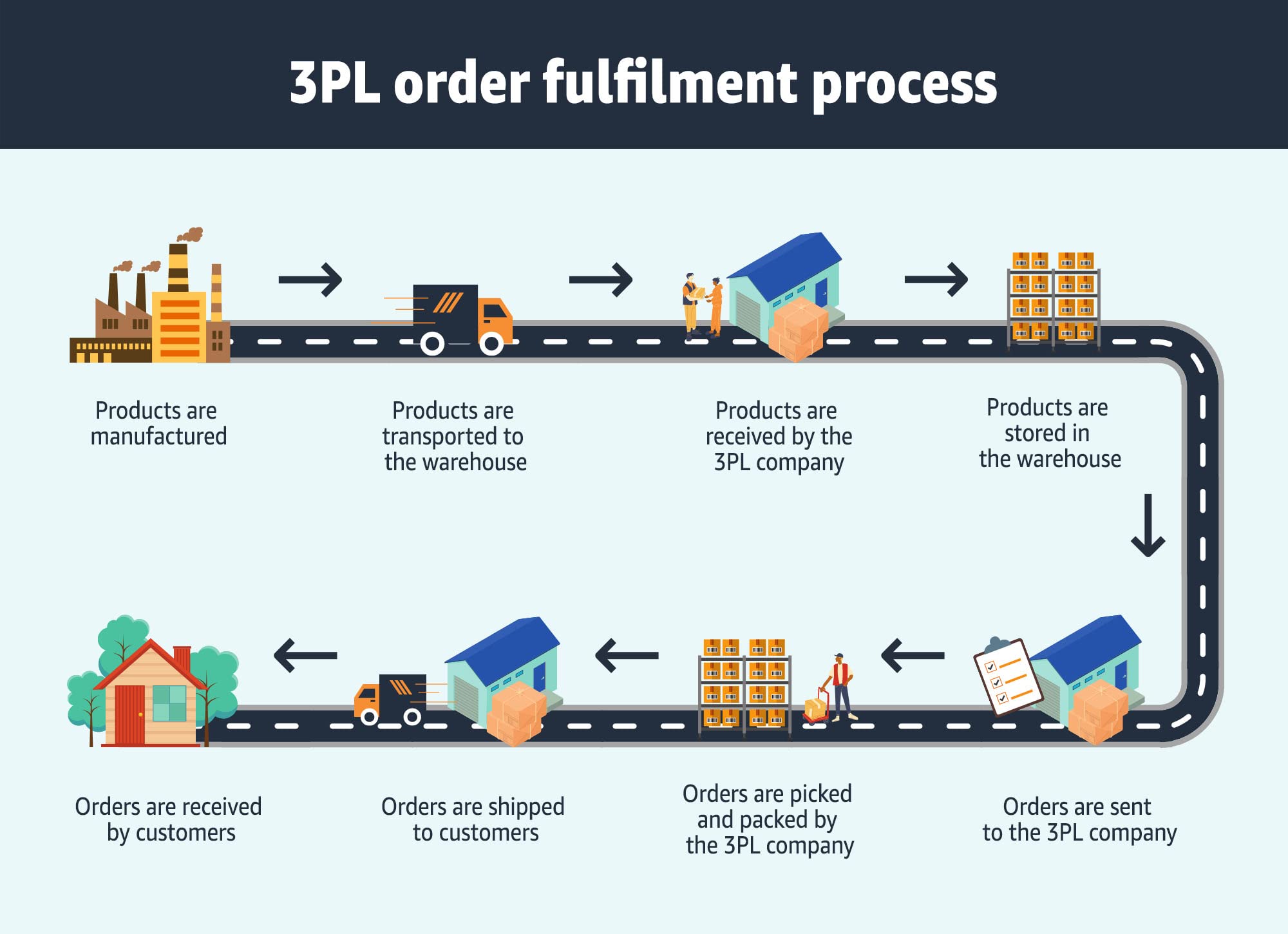
Third-Party Logistics (3PL) Providers represent the ideal use case, as they manage inventory for multiple clients with unique handling, billing, and reporting requirements. Da Vinci's multi-tenant architecture supports client-specific workflows, automated billing processes, and customizable customer portals that provide real-time visibility into inventory levels and order status.
E-commerce and Direct-to-Consumer (DTC) Fulfillment Centers experiencing high order volumes with small order sizes benefit significantly from the AI's picking optimization capabilities. The system excels at managing the extreme demand volatility typical in e-commerce, particularly during peak seasons, while maintaining the high accuracy rates required for customer satisfaction.
Wholesale Distributors handling diverse product mixes (pallets, cases, eaches) leverage the AI's slotting intelligence to maximize space utilization and streamline B2B fulfillment processes. The system's ability to optimize mixed-unit picking operations reduces handling costs while improving order accuracy.
Businesses with Complex Inventory Requirements such as lot tracking, serial numbers, or expiration date management (pharmaceuticals, food & beverage, electronics) benefit from Da Vinci's granular tracking capabilities and compliance features that ensure regulatory adherence while maintaining operational efficiency.
Companies processing 1,000+ orders daily with 500+ SKUs typically see the most significant ROI from implementation. To compare DVU WMS with other solutions in the market, review our analysis of Da Vinci Unified (DVU WMS) Top Alternatives and Competitors.
How does Da Vinci Unified (DVU WMS) integrate with existing ERP systems like SAP, Oracle, and NetSuite?
Da Vinci Unified (DVU WMS) achieves seamless integration with Enterprise Resource Planning (ERP) systems through a robust API framework and EDI translator, ensuring real-time bidirectional data synchronization between warehouse operations and central business systems.
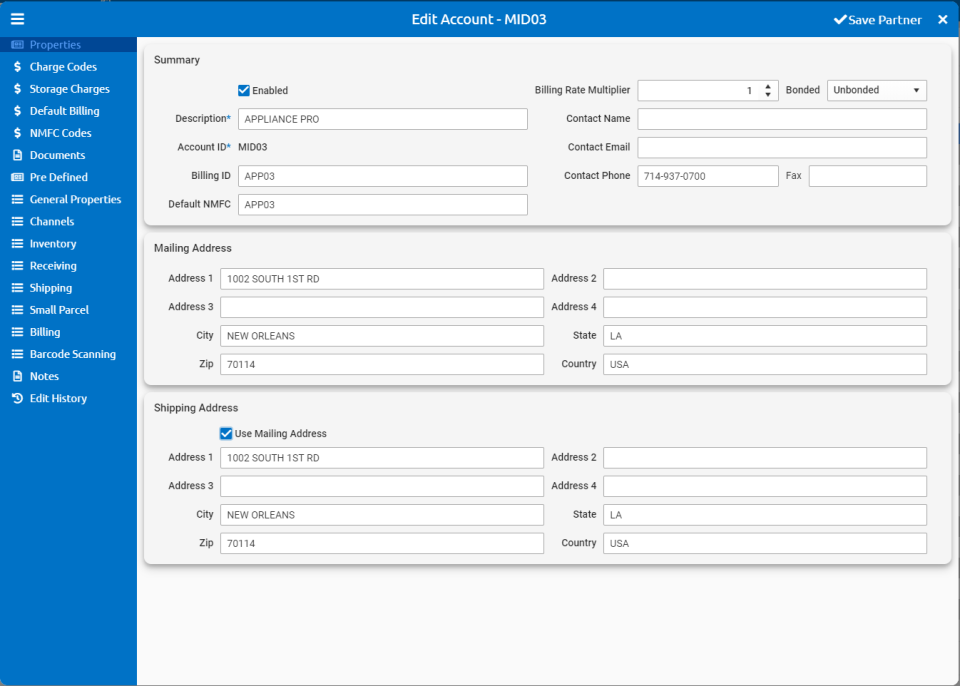
The integration architecture treats the ERP as the master source of truth for transactional data while positioning the WMS as the operational execution engine. Inbound data flows include Advanced Shipping Notices (ASNs) for receiving operations, Purchase Orders for inventory planning, and Sales Orders for fulfillment processing. This ensures warehouse staff have immediate access to accurate order information and receiving schedules.
Outbound data synchronization provides real-time updates to the ERP, including receipt confirmations that update inventory levels, shipment notifications that trigger invoicing processes, and inventory adjustments that maintain accurate financial records. This continuous data exchange ensures inventory visibility is consistent across all business functions.
The system integrates with major ERP platforms including SAP, Oracle, NetSuite, Microsoft Dynamics, and other enterprise systems through configurable APIs and EDI connections. While integration capabilities are comprehensive, implementation typically requires technical configuration and may involve custom development depending on specific ERP customizations and business requirements.
Critical Success Factor: Data quality is paramount for successful integration. Organizations should invest significant time in cleansing master item data (dimensions, weights, units of measure) within the ERP before implementation. Clean data ensures AI algorithms function optimally and prevents costly operational errors post-launch.
Integration timelines typically range from 4-12 weeks depending on ERP complexity and customization requirements. For a thorough evaluation of how DVU WMS compares to other systems, see our comprehensive Da Vinci Unified (DVU WMS) Review.
Can Da Vinci Unified (DVU WMS) integrate with warehouse robotics and automation systems?
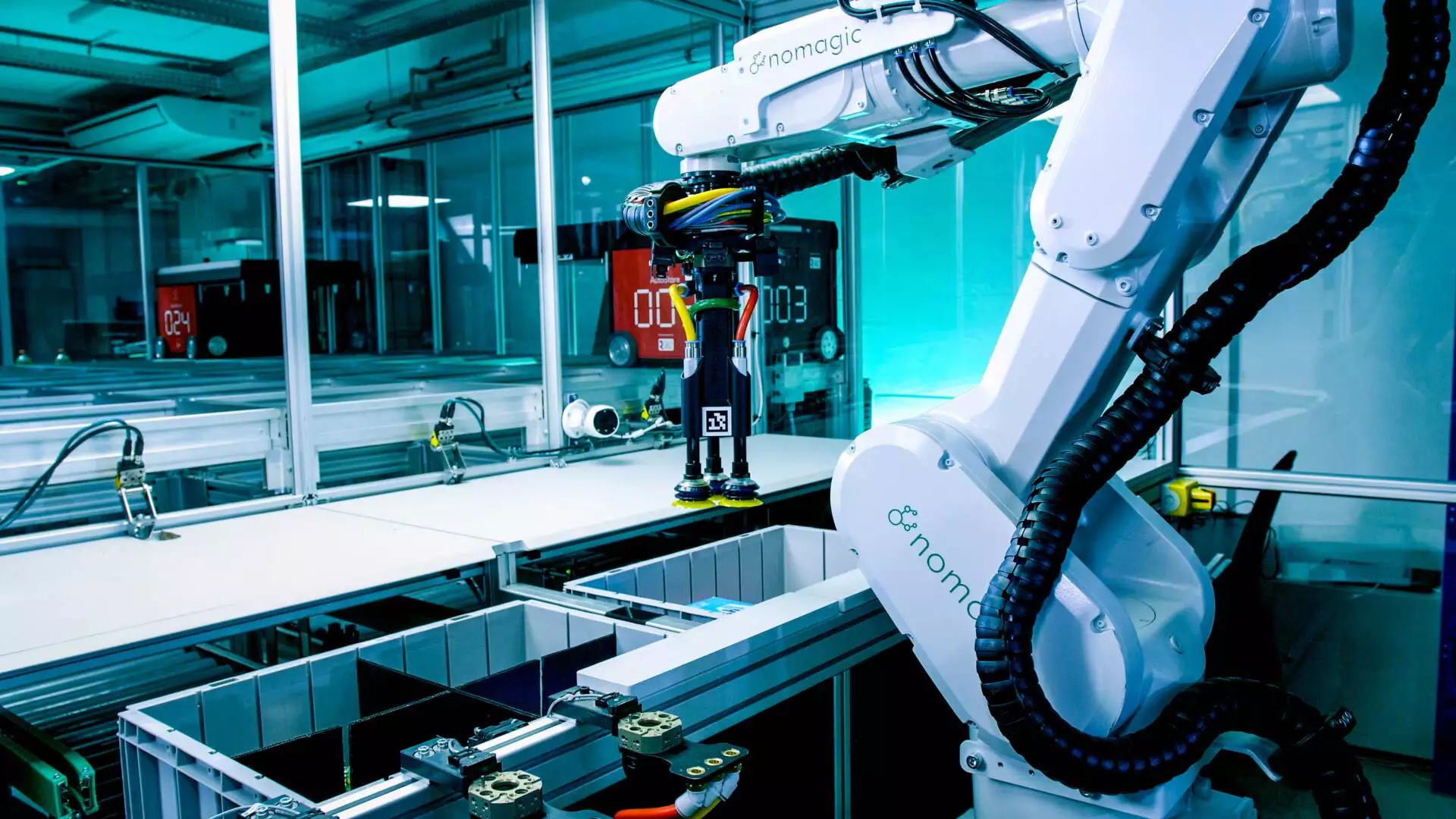
Yes, Da Vinci Unified (DVU WMS) is designed to orchestrate and optimize warehouse automation systems, including Autonomous Mobile Robots (AMRs), Automated Guided Vehicles (AGVs), and other material handling equipment. The system serves as the central intelligence layer that coordinates human workers with automated systems for maximum operational efficiency.
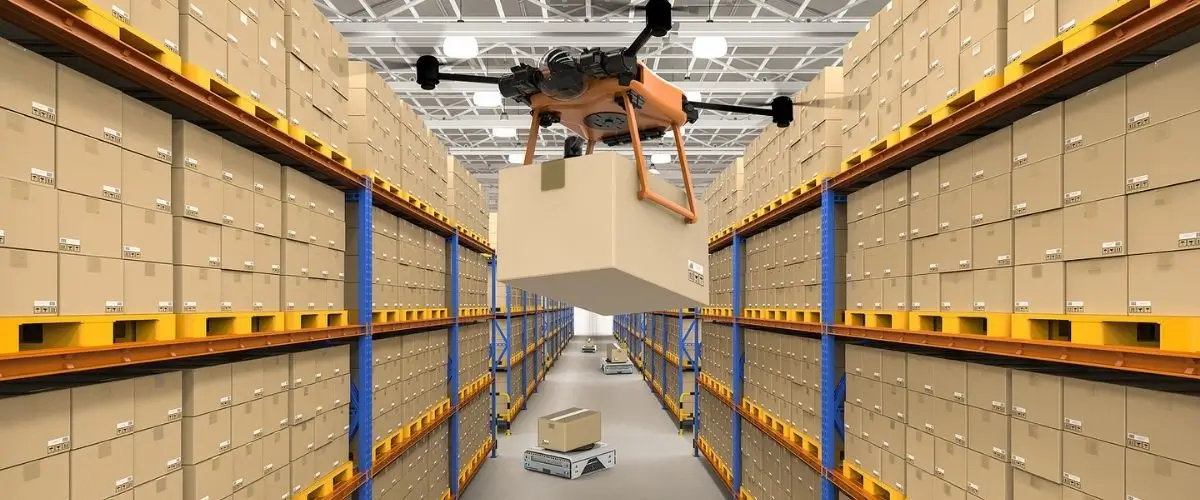
The WMS communicates with robotic systems through standardized APIs and protocols, enabling real-time task assignment and coordination. For AMR integration, Da Vinci can intelligently dispatch robots for goods-to-person picking, inventory replenishment, and cross-docking operations. The AI optimizes robot utilization by considering traffic patterns, battery levels, and task priorities to prevent congestion and maximize throughput.
Automated storage and retrieval systems (AS/RS) integration allows the WMS to optimize inventory placement within automated storage towers while coordinating retrieval sequences with human picking operations. The system can prioritize fast-moving items for easier access while utilizing vertical storage space efficiently.
Conveyor and sortation systems receive optimized routing instructions from Da Vinci's AI, which considers order priorities, shipping destinations, and capacity constraints to minimize bottlenecks and maximize sort accuracy.
The WMS also provides comprehensive visibility into automation performance metrics, including robot productivity, error rates, and maintenance schedules. This data enables proactive maintenance planning and continuous optimization of human-robot workflows.
Successful automation integration requires careful planning of physical layout, network infrastructure, and safety protocols. Da Vinci's implementation team works closely with automation vendors to ensure seamless coordination between all system components. To explore more advanced warehouse technologies, visit our guide on The Best 10 AI for Warehouse & Inventory Management (2025).
What are the security and compliance features of Da Vinci Unified (DVU WMS)?
Da Vinci Unified (DVU WMS) implements enterprise-grade security measures to protect sensitive supply chain data and ensure operational reliability. BOLD VAN maintains SOC 2 Type II certification, demonstrating compliance with security, availability, processing integrity, confidentiality, and privacy trust service criteria.
Data Protection includes end-to-end encryption for data in transit and at rest, multi-factor authentication for user access, and role-based permissions that restrict system access based on job functions. The platform maintains detailed audit trails for all system activities, enabling comprehensive compliance reporting and forensic analysis when needed.
Access Controls provide granular permission management for different warehouse roles, from floor workers with limited system access to managers with full operational visibility. This ensures employees only access data and functions necessary for their responsibilities while maintaining system security.
Operational Reliability features include 99.9% uptime SLAs, redundant data centers for disaster recovery, and automated backup systems that protect against data loss. The cloud-based infrastructure provides scalability and reliability that exceeds most on-premises solutions.
Network Security implements firewall protection, intrusion detection systems, and regular security vulnerability assessments to protect against cyber threats. The system undergoes regular penetration testing and security audits to maintain the highest protection standards.
Important Note: Organizations must conduct their own due diligence to ensure BOLD VAN's security certifications meet their specific regulatory and operational requirements. Companies in highly regulated industries should request current compliance reports and work with their IT security teams to validate that the system meets all applicable standards.
Regular security updates and patches are automatically applied to maintain protection against emerging threats.
What is the typical pricing model and ROI for Da Vinci Unified (DVU WMS)?
Da Vinci Unified (DVU WMS) employs a subscription-based pricing model that scales with operational volume and required functionality. While specific pricing is customized based on warehouse size, transaction volume, and feature requirements, typical investment considerations include monthly subscription fees, implementation costs, and integration expenses.
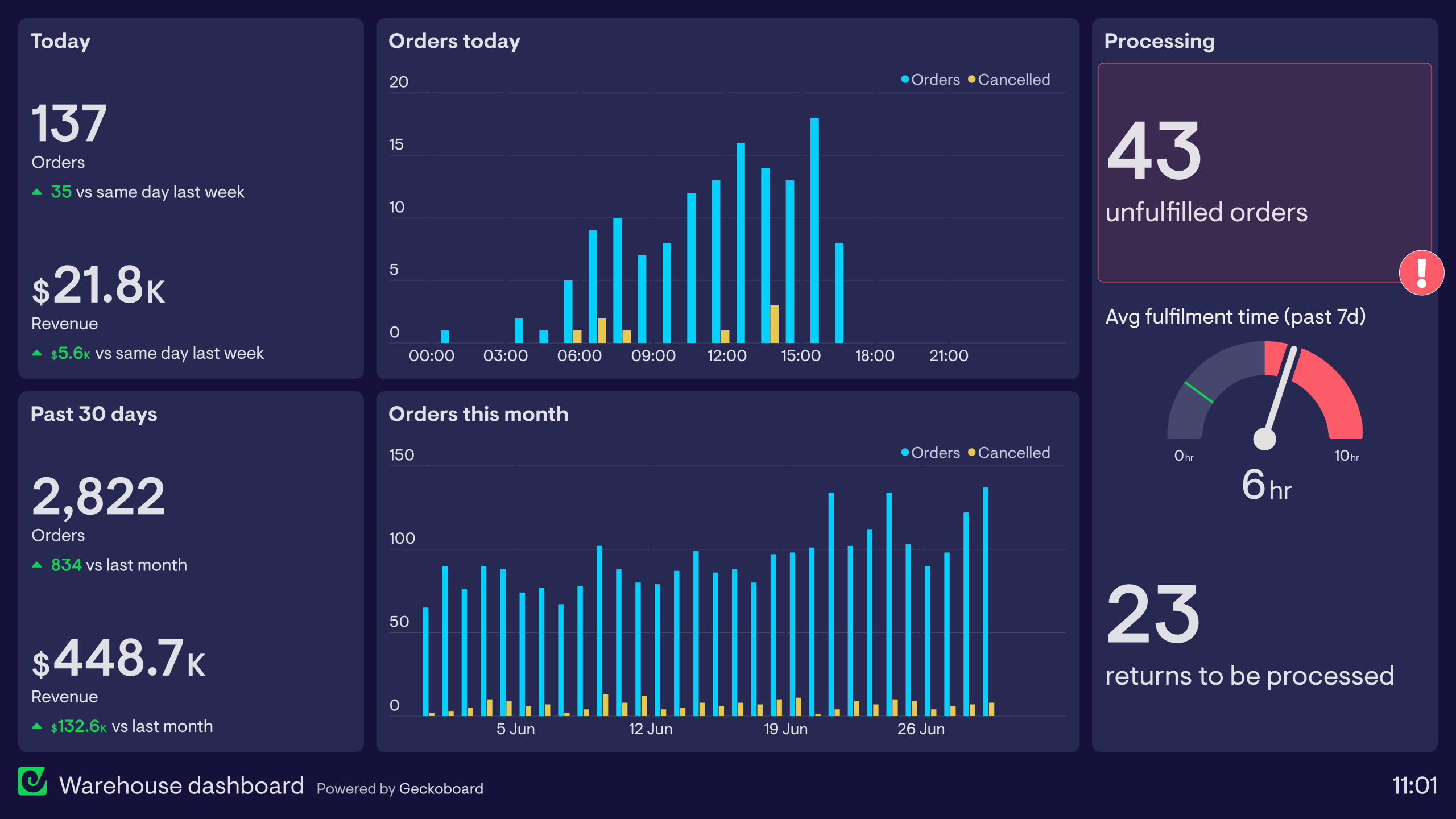
Pricing Structure generally includes per-user licensing for administrative functions, transaction-based fees for order processing, and additional charges for premium AI features and advanced analytics. Implementation costs vary significantly based on integration complexity, data migration requirements, and customization needs.
ROI Calculation should focus on measurable supply chain improvements. Organizations typically achieve:
- Labor Efficiency Gains: 20-30% improvement in picker productivity through optimized slotting and pick path optimization
- Inventory Accuracy: Reduction in inventory discrepancies from 2-3% to less than 0.5%, eliminating costly cycle counting and stock adjustments
- Order Fulfillment Speed: 25-35% faster processing times through AI-driven task optimization and automated workflows
- Space Utilization: 15-20% improvement in warehouse capacity through intelligent slotting and layout optimization
- Carrying Cost Reduction: Lower safety stock requirements due to improved inventory visibility and demand forecasting
Typical Payback Period ranges from 12-18 months for mid-sized operations (1,000+ daily orders) and 6-12 months for high-volume facilities (5,000+ daily orders). The ROI accelerates with operation complexity, as AI optimization provides exponential benefits in multi-SKU, multi-client environments.
Organizations should request detailed ROI modeling based on their specific operational metrics, including current labor costs, inventory carrying costs, and order accuracy rates to determine precise financial benefits.
How long does Da Vinci Unified (DVU WMS) implementation typically take?
Da Vinci Unified (DVU WMS) implementation timelines vary significantly based on operational complexity, integration requirements, and data readiness. Typical implementations range from 3-6 months for standard deployments to 6-12 months for complex, multi-site installations with extensive customizations.
Phase 1: Planning and Design (4-6 weeks) includes requirements gathering, system configuration design, integration planning, and data mapping. This phase is critical for identifying potential challenges and establishing project timelines.
Phase 2: System Configuration (4-8 weeks) involves setting up user workflows, configuring AI algorithms for specific operational requirements, establishing integration connections with ERP and other systems, and customizing reports and dashboards.
Phase 3: Data Migration and Testing (4-6 weeks) includes transferring master data from legacy systems, validating data accuracy, conducting system testing with real operational scenarios, and training super users on system functionality.
Phase 4: Go-Live and Optimization (2-4 weeks) encompasses production cutover, intensive user support during initial operations, performance monitoring, and AI algorithm fine-tuning based on actual operational data.
Success Factors that accelerate implementation include clean master data in source systems, dedicated project resources from both BOLD VAN and the client, clear project governance and decision-making processes, and strong change management to ensure user adoption.
Post-Implementation optimization continues for several months as the AI algorithms learn operational patterns and users become proficient with new workflows. BOLD VAN provides ongoing support to ensure maximum system value realization.
Organizations should plan for 20-30% contingency time in project schedules to accommodate unexpected challenges during data migration and integration phases.
What training and support does BOLD VAN provide for Da Vinci Unified (DVU WMS)?
BOLD VAN provides comprehensive training and support programs designed to ensure successful user adoption and maximize operational value from Da Vinci Unified (DVU WMS). The support framework addresses both technical system administration and operational best practices for warehouse management optimization.
Implementation Training includes on-site and remote training sessions for super users, system administrators, and end users. Training covers system navigation, workflow execution, reporting and analytics, and troubleshooting common operational scenarios. BOLD VAN customizes training content based on specific operational requirements and user roles.
Ongoing Support Services feature multiple support tiers including phone and email support, online knowledge base and documentation, regular system health checks and optimization recommendations, and quarterly business reviews to identify additional improvement opportunities.
User Training Programs encompass role-based training modules for warehouse managers, floor supervisors, and operational staff. Training emphasizes practical workflow execution rather than technical system features, ensuring users can effectively leverage AI-driven recommendations in daily operations.
Advanced Training covers system administration, custom report creation, integration management, and AI algorithm optimization. This technical training enables organizations to maximize system capabilities and adapt the WMS to evolving business requirements.
Support Response Times typically include same-day response for critical system issues affecting operations, next business day response for non-critical functional questions, and scheduled support for enhancement requests and system optimization.
BOLD VAN also provides access to user communities and regular webinars featuring best practices, new feature introductions, and industry-specific optimization techniques. This ongoing education ensures users stay current with system capabilities and industry developments.
Organizations should budget for initial training costs and plan for ongoing training as staff changes and system capabilities expand. For additional questions and detailed answers, explore our complete Da Vinci Unified (DVU WMS) FAQs resource.
How does Da Vinci Unified (DVU WMS) handle multi-client operations for 3PL providers?
Da Vinci Unified (DVU WMS) includes robust multi-tenant architecture specifically designed for Third-Party Logistics (3PL) providers managing inventory and operations for multiple clients within shared warehouse facilities. The system provides complete operational and financial segregation while maintaining operational efficiency.
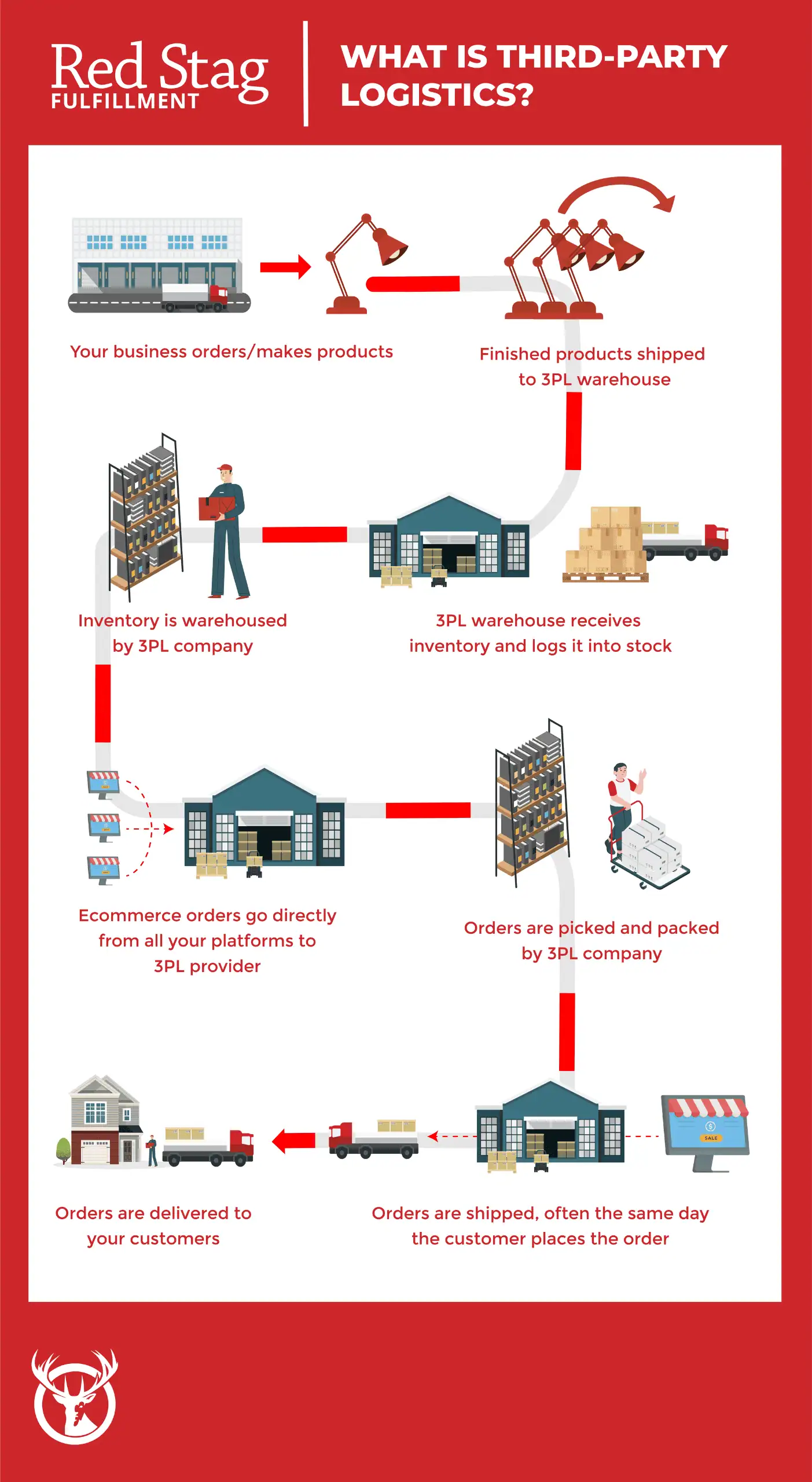
Client Segregation ensures complete data isolation between clients, with role-based access controls that prevent cross-client data visibility. Each client maintains separate inventory pools, billing accounts, and operational workflows while sharing physical warehouse resources efficiently.
Flexible Billing Models support various 3PL pricing structures including per-transaction fees, storage-based charges, labor-based billing, and value-added service charges. The system automatically captures all billable activities and generates detailed client invoices with supporting documentation for complete transparency.
Client-Specific Workflows accommodate unique handling requirements, quality control procedures, packaging specifications, and shipping preferences for each client. The AI optimization algorithms consider these constraints when generating recommendations, ensuring compliance with individual client requirements.
Customer Portal Access provides each client with real-time visibility into their inventory levels, order status, and performance metrics through secure, branded web portals. Clients can submit orders, track shipments, and access detailed reporting without requiring direct system access.
Inventory Management supports complex scenarios including shared SKUs across multiple clients, client-specific lot tracking requirements, and consignment inventory models. The system maintains accurate inventory ownership while optimizing storage locations across all client products.
Performance Reporting generates client-specific KPI dashboards covering order accuracy, fulfillment speed, inventory turns, and cost metrics. This transparency helps 3PLs demonstrate value and identify improvement opportunities for each client relationship.
The multi-client architecture scales efficiently, allowing 3PLs to add new clients without significant system reconfiguration or operational disruption.

Leave a Reply