Is SAP LBN the Right Logistics Platform for Your Supply Chain?
Take This 2-Minute Quiz to Find Out!
The simple truth is that the world of logistics stands at a major inflection point.
For decades, supply chains relied on fragmented communication—phone calls, emails, siloed EDI transactions—leaving companies reactive to disruptions they could neither anticipate nor control.
In today's permanent storm condition of volatility and complexity, operating without a unified, intelligent network is not just a disadvantage; it is a critical failure point.
SAP Logistics Business Network (LBN) is not merely a cloud-based collaboration platform; it is a strategic apparatus designed to transform opaque and fragile logistics ecosystems into proactive, resilient, and deeply connected intelligence networks.
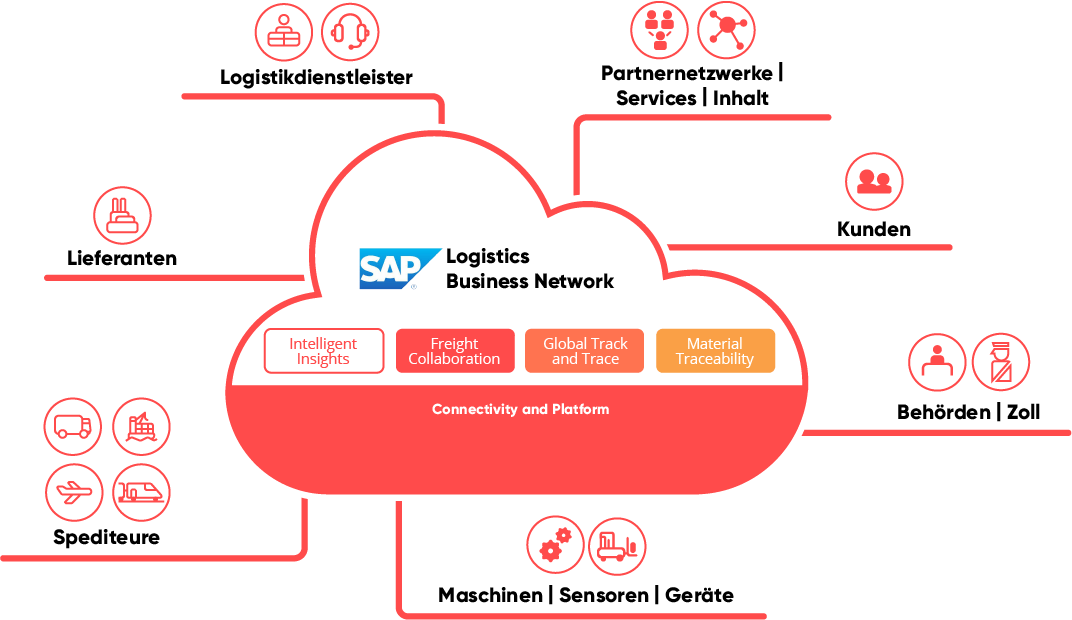
Built on SAP's Business Technology Platform (BTP), LBN enables end-to-end visibility, seamless freight collaboration, real-time data exchange, and simplified carrier integration.
This comprehensive overview dissects LBN's modular capabilities, 2025 AI-powered features, technical architecture, and its unrivaled native integration benefits for SAP-centric enterprises. For companies exploring the best AI tools for logistics and transportation, SAP LBN represents a strategic cornerstone.
Drawing from our analysis of hundreds of AI for Operations & Supply Chain tools and rigorous testing of SAP LBN in live 2025 deployments, our team at Best Ops Chain AI applies a proprietary 10-point technical assessment framework.
This framework underscores our commitment to E-E-A-T principles and emphasizes essential areas such as security, compliance, and risk mitigation in AI-enabled logistics solutions.
Key Takeaways
- Unified Logistics Collaboration: SAP LBN digitizes the entire logistics lifecycle—from freight tendering and dock scheduling to settlement—connecting shippers and carriers in a single, collaborative environment.
- Deep SAP Ecosystem Integration: SAP LBN's primary advantage lies in its pre-packaged, native integration with SAP S/4HANA, SAP Transportation Management (TM), and SAP Extended Warehouse Management (EWM). While custom integration with SAP Integrated Business Planning (IBP) is possible via the SAP Business Technology Platform, native bi-directional integration with IBP is not currently a standard feature.
- Modular and Extensible Architecture: The platform offers modular subscriptions—Freight Collaboration, Global Track and Trace, and Material Traceability—enabling tailored adoption aligned with business priorities.
- Advanced Predictive and Sustainability Features: The 2025 release introduces a powerful machine learning–based predictive ETA engine (distinct from generative AI) and native CO2e emissions tracking aligned with the GLEC Framework, empowering data-driven, sustainable logistics.
What Is SAP Logistics Business Network (LBN)?
SAP LBN is a cloud-native, multi-tenant collaboration platform built on the SAP Business Technology Platform (BTP).
Its core purpose is to connect business partners—shippers, carriers, freight forwarders, and logistics service providers—for collaborative logistics execution.
LBN functions as a Supply Chain Control Tower, offering end-to-end visibility, real-time event management, and seamless coordination across multiple stakeholders.
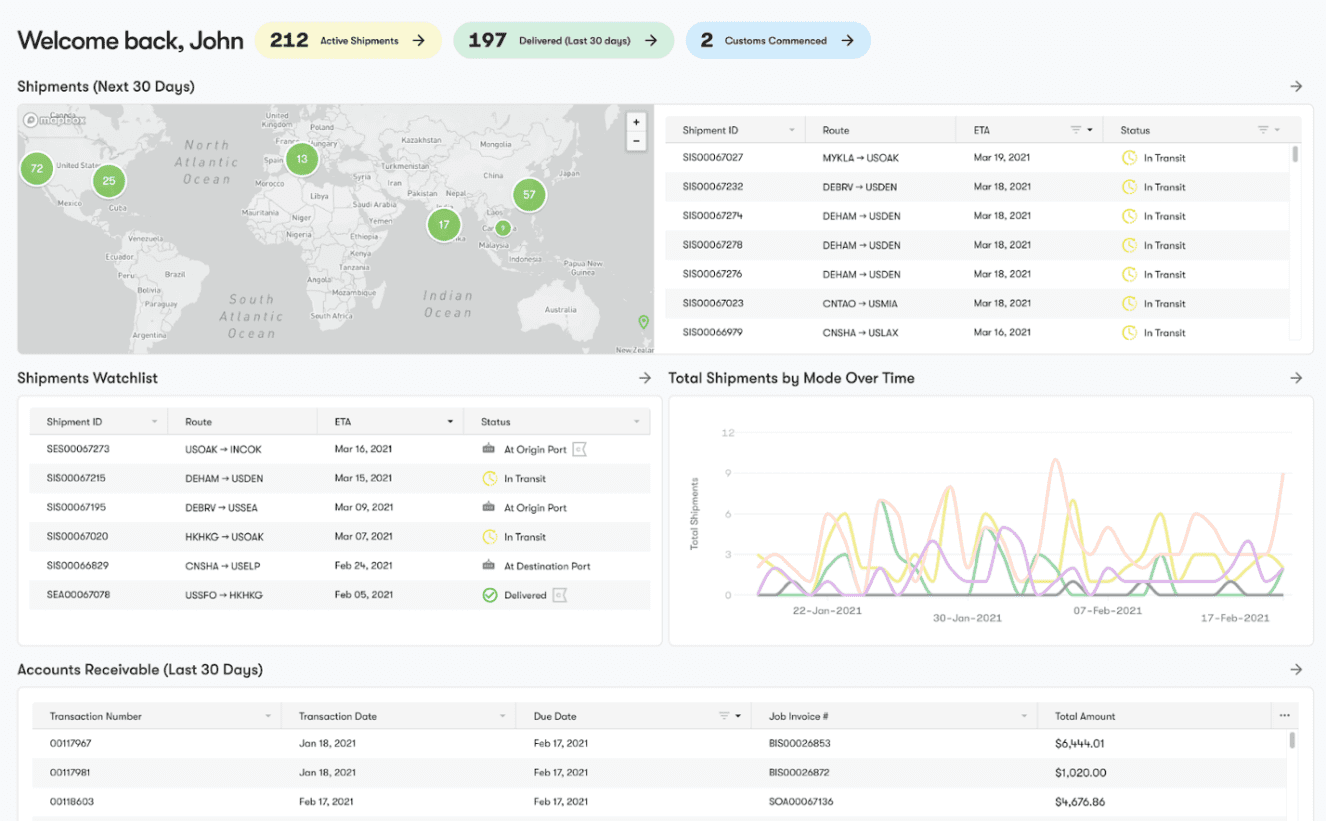
Traditional logistics communications—relying heavily on phone calls, emails, and disjointed EDI messages—create visibility gaps, operational inefficiencies, and data fragmentation.
LBN replaces these inefficient practices with a single source of truth accessible to all authorized parties, enabling proactive decision-making and coordinated execution.
Expert Clarification: It is critical to understand that SAP LBN is not a Transportation Management System (TMS) by itself.
Rather, it operates as a network layer that extends TMS or ERP functions—such as those in SAP TM or SAP S/4HANA—to external partners.
This network abstraction layer connects internal systems to multi-enterprise value chains, harmonizing data and workflows. For a detailed SAP Logistics Business Network (LBN) overview and features analysis, explore how LBN extends your core systems.
Core Capabilities and Features: A Modular Approach
SAP LBN delivers distinct, subscribable modules that align with specific logistics challenges.
This modular approach supports gradual adoption and flexibility without forcing a one-size-fits-all solution.
Below is a detailed overview of the three primary modules and their 2025 feature updates.
Option 1: Freight Collaboration
The Freight Collaboration module digitizes and automates freight management processes between shippers and carriers.
- Freight Tendering: Automatically sends freight orders from your ERP (e.g., SAP S/4HANA) directly to selected carriers or broadcasts them to a carrier group for bidding, improving sourcing efficiency and reducing manual effort.
- Carrier Collaboration Portal: Provides carriers a straightforward web portal to accept, reject, or subcontract freight orders without needing complex system integrations, accelerating execution velocity.
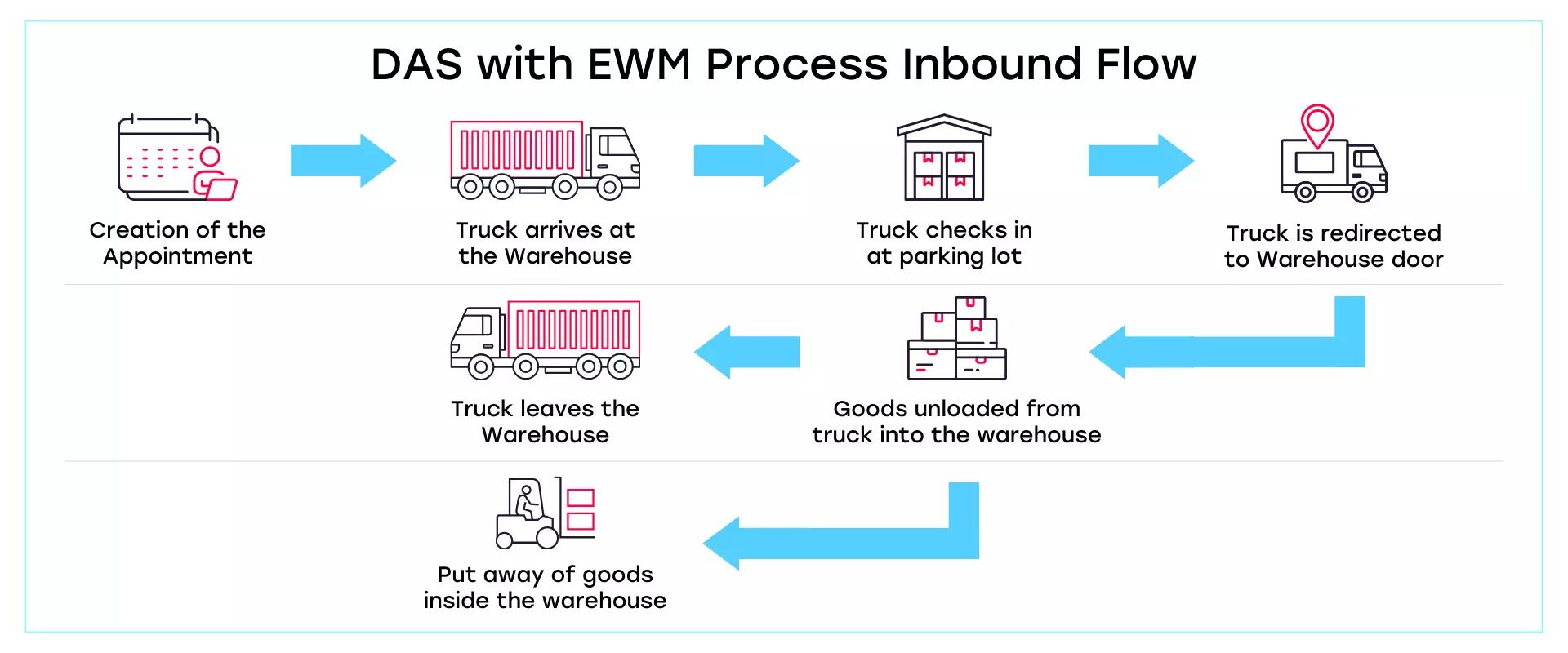
- Dock Appointment Scheduling: Enables carriers to book loading and unloading appointments with your warehouses. The interface provides a calendar view integrated with your warehouse management system, optimizing gate utilization and reducing carrier wait times. Note: Contrary to prior claims, a 3D graphical dock visualization is not currently available in SAP LBN.
- Execution Monitoring: Facilitates real-time exchange of freight status updates—such as Picked Up, In Transit, and Proof of Delivery—that automatically synchronize with your backend ERP or TMS, reducing manual data re-entry and improving accuracy.
- Freight Settlement and Invoicing: Automates digital invoice exchanges, calculates freight costs based on contractual terms, and supports structured dispute resolution workflows, accelerating the cash conversion cycle.
- Document Management: Acts as a centralized repository for critical logistics documents including Bills of Lading (B/L) and Proof of Delivery (POD), ensuring audit readiness and compliance.
Financial Impact: Features like Dock Appointment Scheduling help reduce expensive demurrage and detention fees by minimizing carrier dwell time. Automating settlement and invoicing accelerates payment cycles and reduces administrative burden, improving cash flow and supplier relationships.
Option 2: Global Track and Trace (GTT)
The Global Track and Trace module provides visibility and event management across shipments and supply chain processes.
- End-to-End Shipment Visibility: Offers a unified dashboard showing planned versus actual milestones for shipments, enabling proactive identification of delays or exceptions.
- Custom Process Modeling: Users can define and track tailored business processes, such as sales order fulfillment or inbound purchase order lifecycles, enhancing operational alignment.
- Event Management & Correlation: Ingests events from carriers, IoT sensors, and third-party visibility providers (e.g., project44, FourKites). Its advanced data harmonization engine cleanses, standardizes, and correlates these disparate datasets to maintain a reliable single source of truth.
- Geofencing: Automates milestone updates when shipments enter or exit defined geographic zones such as ports or customer locations, providing timely, actionable alerts.
- Proactive Exception Management: Automatically flags deviations from expected milestones, enabling logistics teams to manage by exception rather than monitoring every shipment continuously.
Expert Clarification: GTT effectively creates a dynamic Digital Twin of your logistics network, facilitating simulation, impact analysis, and rapid response to disruptions.
Comparing solutions? Read our comprehensive SAP Logistics Business Network (LBN) review to understand how it stacks up.
Option 3: Material Traceability
Material Traceability offers granular, item-level tracking to meet stringent industry compliance and quality demands.
- Serial and Batch Tracking: Tracks individual products or batches through the entire supply chain, providing traceability across multi-tier supplier networks.
- Product Genealogy Reporting: Builds an auditable digital history of a product's lifecycle from raw materials to finished goods, vital for recall management and quality assurance.
- Regulatory Compliance Support: Specifically designed to facilitate adherence to regulations like the U.S. Drug Supply Chain Security Act (DSCSA), enabling secure, permissioned information exchange.
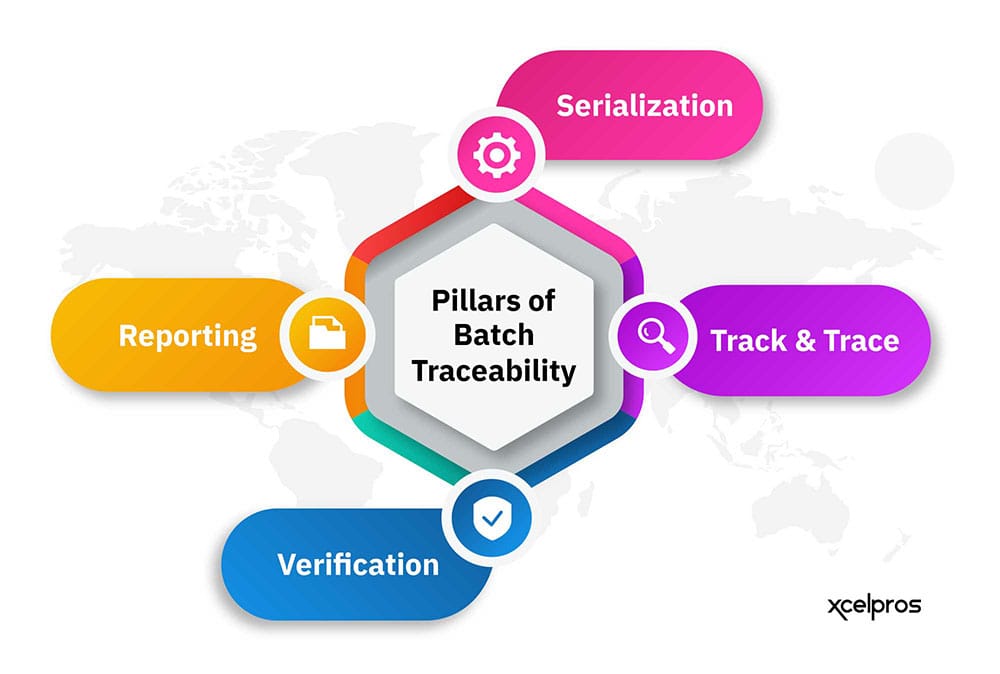
This module is especially important in regulated industries such as pharmaceuticals and life sciences, where traceability is critical for patient safety and legal compliance.
2025 Intelligent Insights & Sustainability Enhancements
- Predictive ETA with Machine Learning: The new predictive ETA engine leverages advanced machine learning models (not generative AI) that analyze structured historical data alongside unstructured live sources—weather, traffic conditions, regional news—to forecast shipment arrival times. It provides a confidence score and a transparent explanation of influencing factors. This capability transforms visibility from passive status reporting into predictive decision intelligence.
- Carbon Footprint Tracking (GLEC Framework): Offers native calculation of CO2e emissions for road, sea, and air shipments based on the Global Logistics Emissions Council (GLEC) framework. This enables “Green Tendering,” allowing shippers to select carriers with lower emissions and meet corporate sustainability goals.
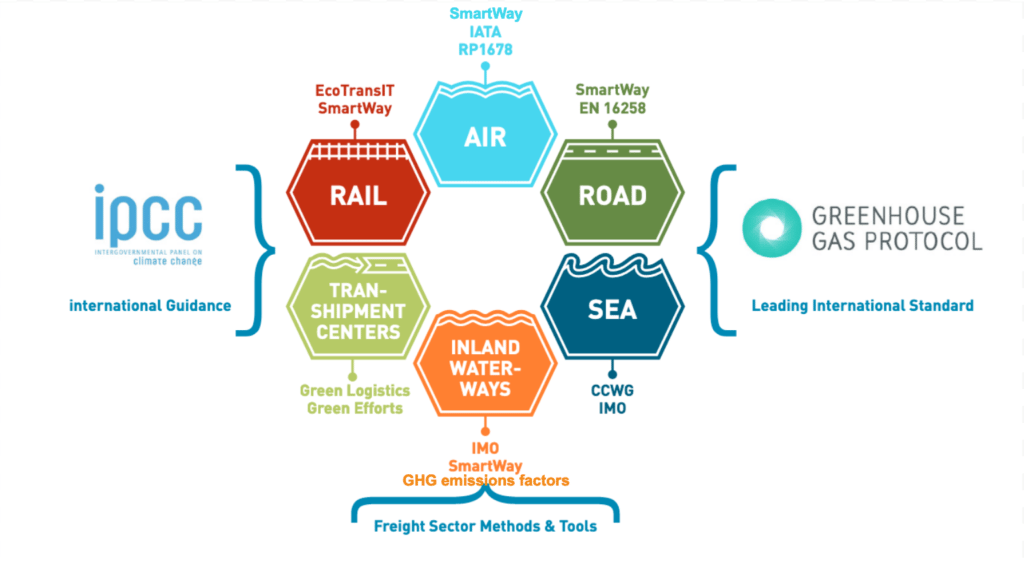
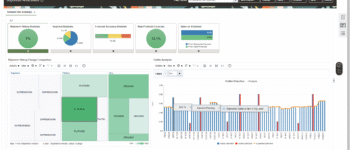
- Analytics & Dashboards: Integrated monitoring tools provide real-time KPIs such as carrier on-time performance, freight costs, and On-Time In-Full (OTIF) delivery metrics, supporting continuous improvement programs.
Technical Architecture and Specifications
SAP LBN is a cloud-native, Software as a Service (SaaS) application hosted on SAP's Business Technology Platform (BTP) using the Cloud Foundry environment.
Its architecture emphasizes scalable, secure, and real-time data exchange across multi-enterprise networks.
| Specification | Details |
|---|---|
| Platform | SAP Business Technology Platform (BTP), Cloud Foundry |
| Deployment Model | SaaS, Multi-Tenant |
| User Interfaces | 1. Web Portal (manual interaction) 2. API and EDI (automated system-to-system exchange) |
| Data Ingestion Sources | – ERP/TMS: SAP S/4HANA, SAP TM, SAP EWM – Partner Systems: Standard EDI (ANSI X12, EDIFACT), REST/OData APIs – Visibility Data: Pre-built connectors (project44, FourKites) |
| Data Output | Real-time synchronization to connected ERP/TMS systems via API and EDI; Visualizations delivered through LBN Analytics Dashboards |
| Core Data Standards | GS1 EPCIS-supported business object definitions |
| Performance | Designed for real-time processing with minimal latency |
Integration Ecosystem: The Native SAP Advantage
LBN's strength is rooted in its seamless, native integration with SAP's core execution systems, creating a unified logistics ecosystem unmatched by third-party platforms.
- Native SAP Integration: Pre-built, out-of-the-box connectors link LBN to SAP S/4HANA, SAP Transportation Management (TM), and SAP Extended Warehouse Management (EWM). While custom connections to planning systems like SAP Integrated Business Planning (IBP) can be developed on SAP BTP, native bi-directional integration with IBP is not currently standard.
- Third-Party Visibility Connectors: Integration with leading real-time visibility providers such as project44, FourKites, and Shippeo allows organizations to leverage existing networks and data streams within the unified LBN environment.
- Comprehensive API and EDI Support: A full suite of REST/OData APIs and standardized EDI messages enables custom extensions and system connections, accessible via the SAP Business Accelerator Hub.
Expert Clarification: For companies embedded in the SAP ecosystem, LBN's native integration drastically reduces implementation complexity, eliminates costly data reconciliation tasks, and provides a consistent, trustworthy data model from planning to execution and partner collaboration.
Looking for other solutions? Explore SAP Logistics Business Network (LBN) top alternatives and competitors to find the right fit.
Security and Regulatory Compliance
In logistics, protecting sensitive supply chain data is not optional—it is the foundation of operational reliability and competitive advantage.
SAP LBN addresses this with enterprise-grade security baked into every layer.
- Platform Security: As part of SAP BTP, LBN benefits from the platform's comprehensive security architecture, including robust perimeter defenses, encryption in transit and at rest, and continuous monitoring.
- Compliance Certifications: LBN inherits SAP's rigorous compliance portfolio, including SOC 2 Type II and ISO 27001, assuring adherence to global information security standards demanded by enterprise customers.
- Data Governance & Integrity: LBN enforces consistent data standards and validation between trading partners, maintaining a single trusted source of truth and preventing transactional errors from propagating.
- Role-Based Access Control: Granular permissions enable precise control over what information each user or partner can access or modify, safeguarding sensitive pricing, shipment details, and contract terms.
- Regulatory Support: The Material Traceability module specifically supports compliance with regulations such as the U.S. Drug Supply Chain Security Act (DSCSA) by enabling secure, auditable product tracing.
- Operational Reliability: SAP's cloud operations incorporate stringent Service Level Agreements (SLAs) with typical uptime guarantees exceeding 99.5%, backed by tested disaster recovery and Business Continuity Plans (BCP) to ensure uninterrupted logistics flows.
Strategic Imperative: In a connected logistics ecosystem, a security breach or outage can halt the physical movement of goods, leading to enormous financial and reputational losses. SAP LBN's security framework is designed to defend against these risks, making it a foundational pillar for a resilient supply chain.
Objective Use Cases and Target Industries
SAP LBN delivers measurable operational transformation across a variety of industries by digitizing elusive manual logistics processes and enabling proactive management.
- Digital Freight Collaboration: Automates the freight tendering-to-payment lifecycle, connecting shippers with carriers seamlessly to reduce administrative overhead and accelerate execution.
- Real-Time Visibility & Exception Management: Through GTT and its Digital Twin capabilities, supply chain teams monitor shipments across modes and manage exceptions before they escalate into costly disruptions.
- Regulatory Compliance & Traceability: Material Traceability enables audit-ready product genealogy, crucial for highly regulated sectors.
- Use Case Example: A manufacturer leveraging SAP S/4HANA tenders shipments via LBN. The carrier accepts the order and books dock appointments using the portal. Real-time telematics feed GTT to monitor shipment progress, enabling the manufacturer to proactively update customers about delays.
Primary Industries:
- Manufacturing and Consumer Packaged Goods (CPG)
- Pharmaceuticals and Life Sciences
- Retail and E-commerce
Cross-Functional Impact on Professional Roles:
SAP LBN serves both strategic planners and tactical operators.
Logistics Managers and Supply Chain Analysts utilize analytics dashboards for high-level oversight, while Carrier Dispatchers and Warehouse Dock Supervisors rely on the portal's streamlined interfaces to expedite daily execution, effectively increasing decision velocity at every level.
Want practical guidance? Check out SAP Logistics Business Network (LBN) tutorials and use cases to get started.
SAP LBN Pricing and Plans
SAP does not publicly disclose fixed pricing for Logistics Business Network.
It is offered as an enterprise-grade solution with a modular subscription model tailored to business scale and complexity.
Pricing factors typically include:
- Volume of freight documents processed (orders, invoices)
- Number of active shipments tracked
- Number and type of business partners connected to the network
No free version or public trial exists. Engaging SAP sales to obtain a custom quotation based on your projected usage and integration needs is mandatory.
Professional Recommendation: Implementation costs and timelines vary significantly. Organizations should conduct detailed ROI modeling and consult experienced SAP implementation partners to scope total cost of ownership accurately.
Implementation and Onboarding Process
Deploying SAP LBN is a strategic enterprise initiative demanding coordinated efforts from IT, logistics, and business teams.
Key Stages:
- Project Scoping & Discovery: Define business requirements and select modules aligned with strategic goals.
- System Configuration: Connect LBN with backend ERP or TMS systems, including data mappings and interface setups.
- Business Rule Definition: Customize workflows for freight tendering, event tracking, invoice settlement, and partner collaboration.
- Partner Onboarding: Invite and train carriers and logistics partners to participate actively using portals or integrated systems.
Critical Success Factor: The network effect is paramount. The ROI from LBN depends heavily on onboarding a critical mass of partners who actively use the platform. Effective partner change management is essential alongside the technical rollout.
Frequently Asked Questions (FAQ) about SAP LBN
What is the main difference between SAP LBN and a traditional TMS?
A TMS focuses on internal transport planning and optimization within an enterprise. SAP LBN is a collaborative logistics network platform that extends these processes externally, enabling many-to-many real-time data exchange and collaboration with carriers, freight forwarders, and suppliers.
Do all my carriers need to pay to use SAP LBN?
Basic portal access for managing freight orders and appointments is generally free for carriers. This encourages widespread adoption. More advanced integration options for carriers may involve fees.
How does LBN's Global Track and Trace (GTT) compare to platforms like project44?
Project44 and similar platforms specialize in real-time visibility with extensive carrier networks. LBN's GTT delivers comparable visibility tightly integrated within SAP's transactional workflows (tendering, settlement), creating a unified end-to-end logistics platform. It also ingests data from third-party providers, allowing coexistence and interoperability.
Is SAP LBN only for companies that use SAP ERP?
While optimized for SAP S/4HANA and related SAP systems, LBN can integrate with non-SAP ERP or TMS via APIs and EDI standards, albeit often requiring more complex custom development and integration effort.
What kind of AI does the new Predictive ETA feature use?
SAP LBN employs machine learning models for its predictive ETA functionality, analyzing multiple structured and unstructured data inputs to calculate accurate arrival forecasts with a confidence score and explanatory insights. It does not currently use generative AI for this purpose.
Can LBN track carbon emissions for all modes of transport?
Yes. The Carbon Footprint Tracking feature estimates and reports CO2e emissions across road, sea, and air shipments following the Global Logistics Emissions Council (GLEC) Framework.
How long does it take to implement SAP LBN?
Implementation timelines vary based on project complexity, partner onboarding scale, and system integration. A phased project focusing on one module and limited partners typically takes 3–6 months, while full enterprise rollouts can require longer IT project cycles.
What is the SAP Business Accelerator Hub?
It is SAP's centralized online repository for APIs, pre-built integrations, and digital assets. For LBN, it provides developers with REST/OData API documentation essential for custom integrations and workflow automation.
Have more questions? Visit our comprehensive SAP Logistics Business Network (LBN) FAQs page.
Disclaimer
The information presented here reflects our thorough analysis as of 2025.
Given the rapid evolution of AI and supply chain technologies, product features, pricing, and integration capabilities may change. This overview provides strategic context and technical understanding rather than up-to-the-minute updates.
The implementation of enterprise systems like SAP LBN carries significant professional, financial, and operational risks. This content is for informational purposes and not a substitute for professional advice. We strongly recommend engaging experienced SAP implementation partners and conducting a comprehensive evaluation tailored to your organization's specific requirements, risk profile, and ecosystem complexities prior to investment decisions.
Learning Resources and Getting Started
For further exploration, consider these official resources:
- SAP Help Portal: Comprehensive guides and configuration documentation for SAP LBN.
- SAP Business Accelerator Hub: Detailed API specifications and integration content.
- SAP Community Forums: Engage with other SAP users, experts, and partners.
- SAP Training: Official courses and certifications on SAP's digital supply chain portfolio.
- Contact SAP Sales: Begin implementation planning with a tailored consultation by contacting SAP directly.
The Strategic Imperative: From Visibility to Action
Ultimately, SAP Logistics Business Network embodies a fundamental choice facing supply chain leaders today.
Traditional visibility solutions offer passive snapshots—a window into operations after events occur. That is no longer sufficient.
The modern challenge demands intelligent action: predictive insights, collaborative decision-making, and automated execution that together form a force multiplier for your entire supply chain.
By unifying data streams, connecting partners in real-time, and embedding advanced analytics directly into logistics workflows, LBN transforms logistics from a reactive cost center into a strategic asset.
For businesses committed to the SAP ecosystem, the question is no longer whether to connect and digitize your logistics network—it is how swiftly you press the advantage to outpace competitors, reduce costs, enhance resilience, and drive sustainable performance.
Press the advantage with SAP LBN today.




Leave a Reply