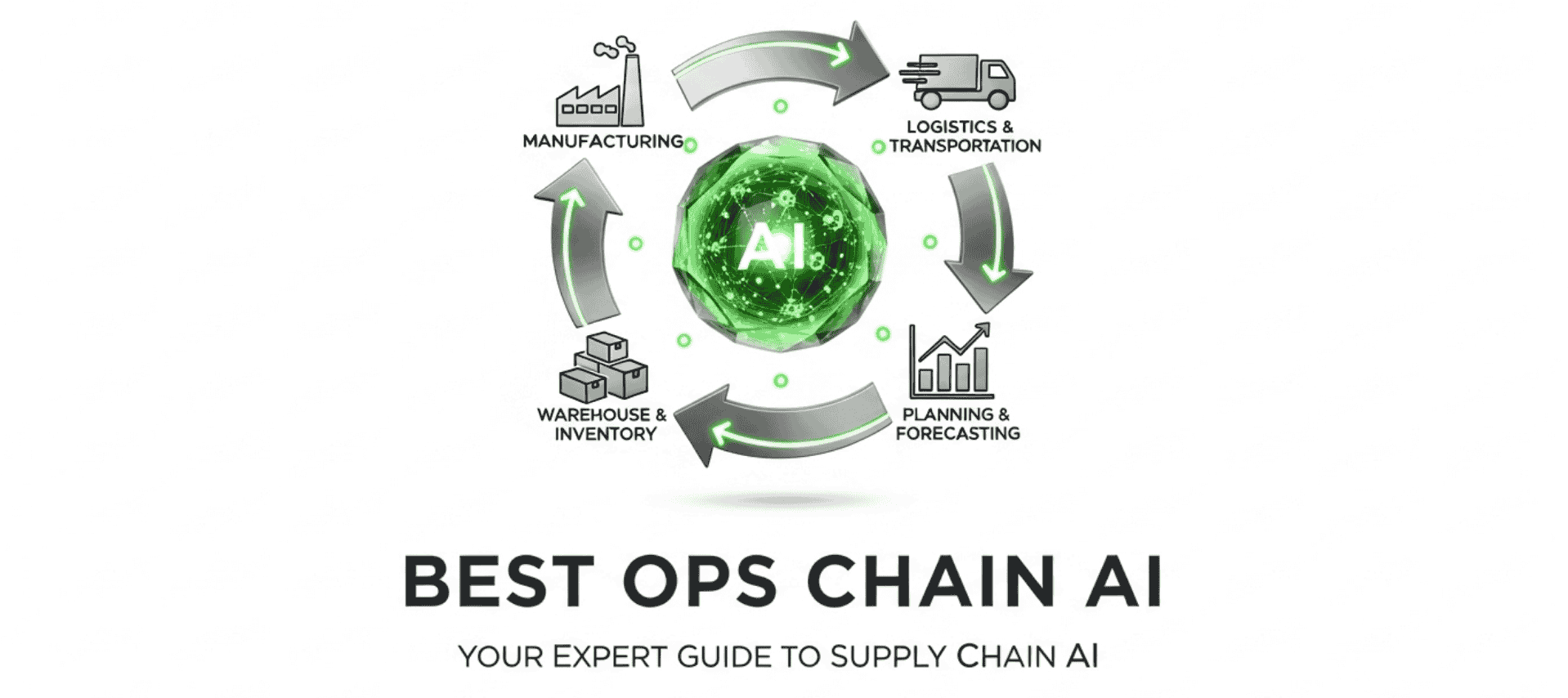
Facing Logistics Hurdles?
This 2-Minute Quiz Pinpoints Your AI-Powered Fulfillment Strategy!
This guide provides a strategic implementation framework for tech-enabled 3PL services in the AI for Warehouse & Inventory Management space. My work at Best Ops Chain AI moves beyond a simple software tutorial to give you a comprehensive strategy for e-commerce operators and supply chain managers.
This content addresses the need to move from reactive, costly fulfillment to a proactive, AI-driven approach. You will learn how intelligent inventory distribution, automated order routing, and predictive analytics work together in modern logistics.
We will cover the client journey, from e-commerce platform integration to optimizing a multi-node fulfillment network. This article includes professional insights gathered from industry experts to help you avoid common implementation pitfalls.
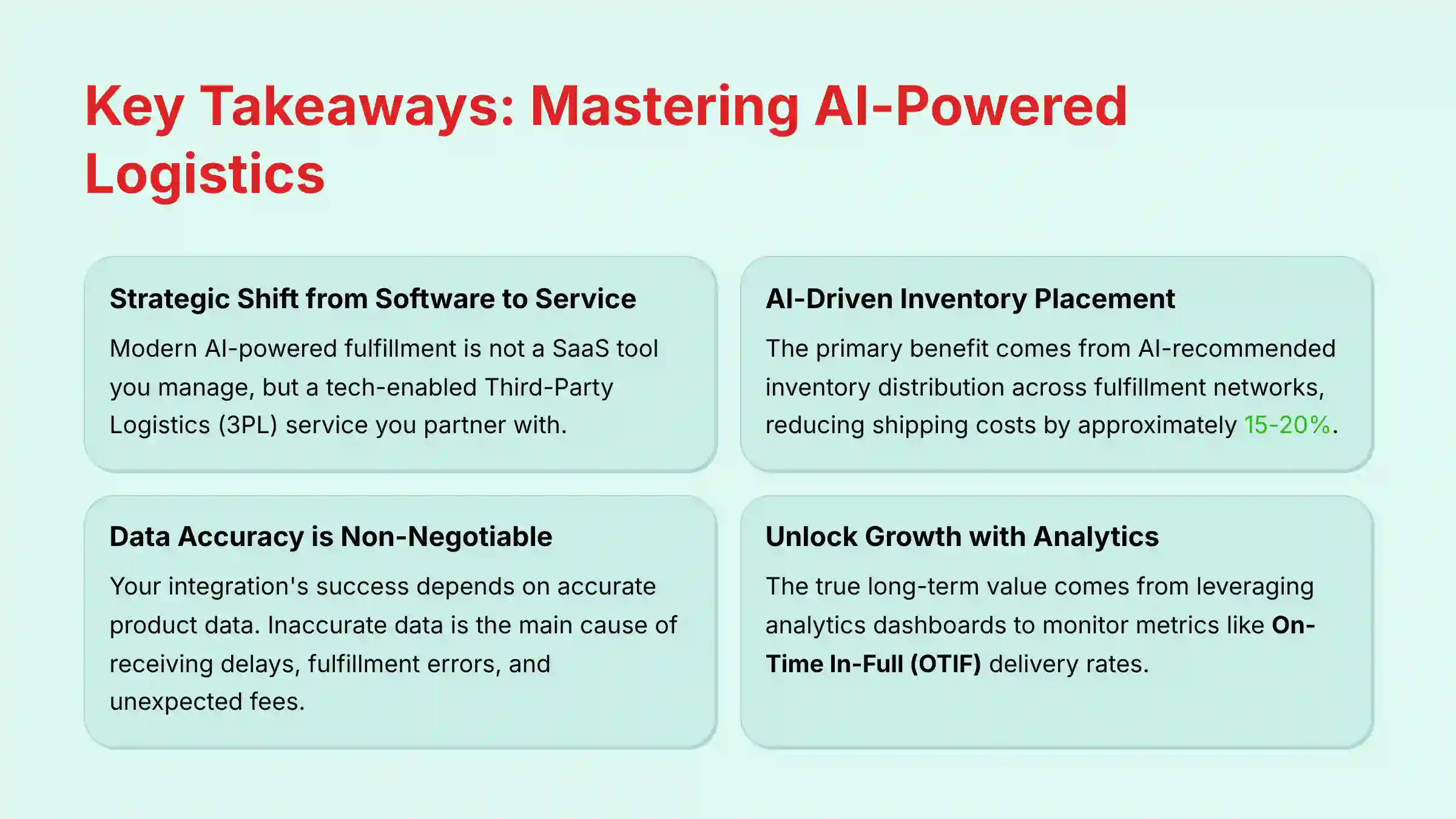
Key Takeaways: Mastering AI-Powered Logistics
Key Takeaways
- Strategic Shift from Software to Service: Modern AI-powered fulfillment is not a SaaS tool you manage, but a tech-enabled Third-Party Logistics (3PL) service you partner with. This guide focuses on client onboarding, integration strategy, and performance optimization to maximize this partnership.
- AI-Driven Inventory Placement is the Core Value: The primary benefit from advanced 3PLs comes from AI-recommended inventory distribution across fulfillment networks. Proper implementation of this capability can reduce shipping costs by approximately 15-20% by minimizing shipping zones.
- Data Accuracy is Non-Negotiable (YMYL Warning): Your integration's success depends on accurate product data like SKUs, weights, and dimensions. Inaccurate data is the main cause of receiving delays, fulfillment errors, and unexpected fees. Always validate data before and during synchronization.
- Unlock Growth with Performance Analytics: The true long-term value comes from leveraging analytics dashboards. Monitoring metrics like On-Time In-Full (OTIF) delivery rates allows you to make smarter inventory and marketing decisions.
Our Framework for Evaluating AI in Operations & Supply Chain
After analyzing hundreds of tools in the AI for Operations & Supply Chain market through 2023-2024, our team at Best Ops Chain AI has developed a comprehensive 10-point technical assessment framework that has been recognized by leading professionals in AI for Operations & Supply Chain.
This methodology ensures our analysis is grounded in the practical realities of warehouse and inventory management, focusing on the factors that drive tangible business outcomes. We go beyond feature lists to assess real-world impact on speed, accuracy, and cost—the three pillars of successful fulfillment.
Our evaluation is uniquely tailored to the perspective of an e-commerce brand partnering with a tech-enabled 3PL, emphasizing seamless integration, data integrity, and measurable ROI. For comprehensive insights into evaluating the Best 10 AI for Order Fulfillment & Picking 2025, we provide detailed analysis to help you make informed decisions.
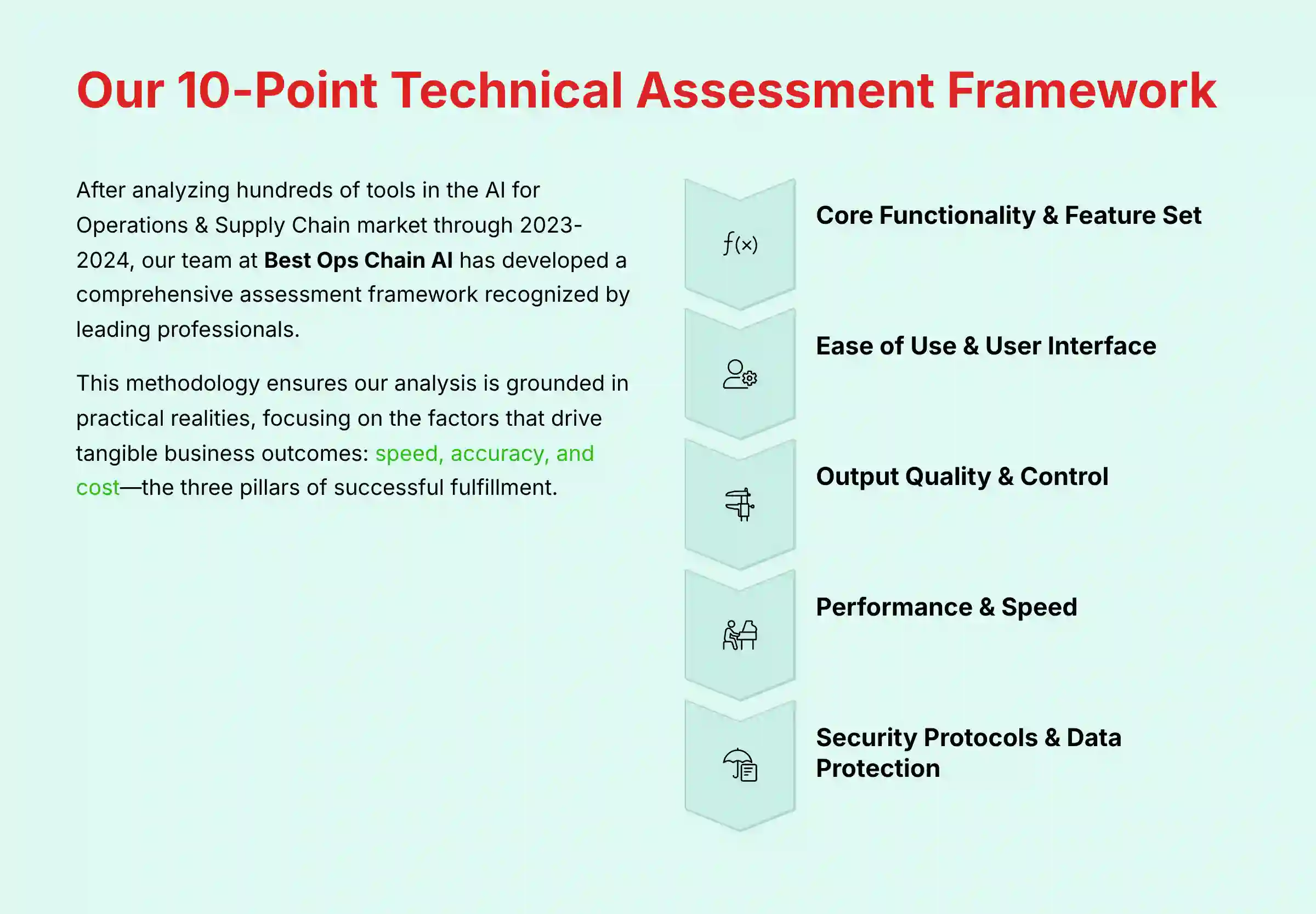
Our 10-point framework includes:
- Core Functionality & Feature Set: We assess the effectiveness of core AI features, including inventory distribution recommendations, automated order routing, and predictive analytics.
- Ease of Use & User Interface (UI/UX): We evaluate client-facing dashboards for clarity, intuitive navigation, and the quality of actionable insights provided for strategic decision-making.
- Output Quality & Control: We analyze the accuracy of AI recommendations and the reliability of automated fulfillment processes, measuring order accuracy rates and inventory count precision.
- Performance & Speed: We test the entire lifecycle speed, from order ingestion and processing time to final delivery speed, benchmarking against industry standards.
- Security Protocols & Data Protection: We thoroughly assess security measures for handling sensitive customer and order data, including verification of SOC 2 Type II and ISO 27001 compliance.
- Compliance & Regulatory Adherence: We verify the platform's ability to handle international shipping complexities, including customs documentation and regional tax compliance.
- Input Flexibility & Integration Options: We test the robustness of pre-built e-commerce connectors and API quality for custom integrations.
- Pricing Structure & Value for Money: We analyze pricing models (storage, pick/pack, shipping fees) and calculate potential ROI based on reduced shipping costs and increased efficiency.
- Vendor Expertise & Support: We investigate the quality of client onboarding, support team responsiveness, and domain expertise in logistics and supply chain management.
- Risk Assessment & Mitigation: We identify potential risks, such as integration failures or ASN errors, and evaluate the platform's built-in safeguards and recommended mitigation strategies.
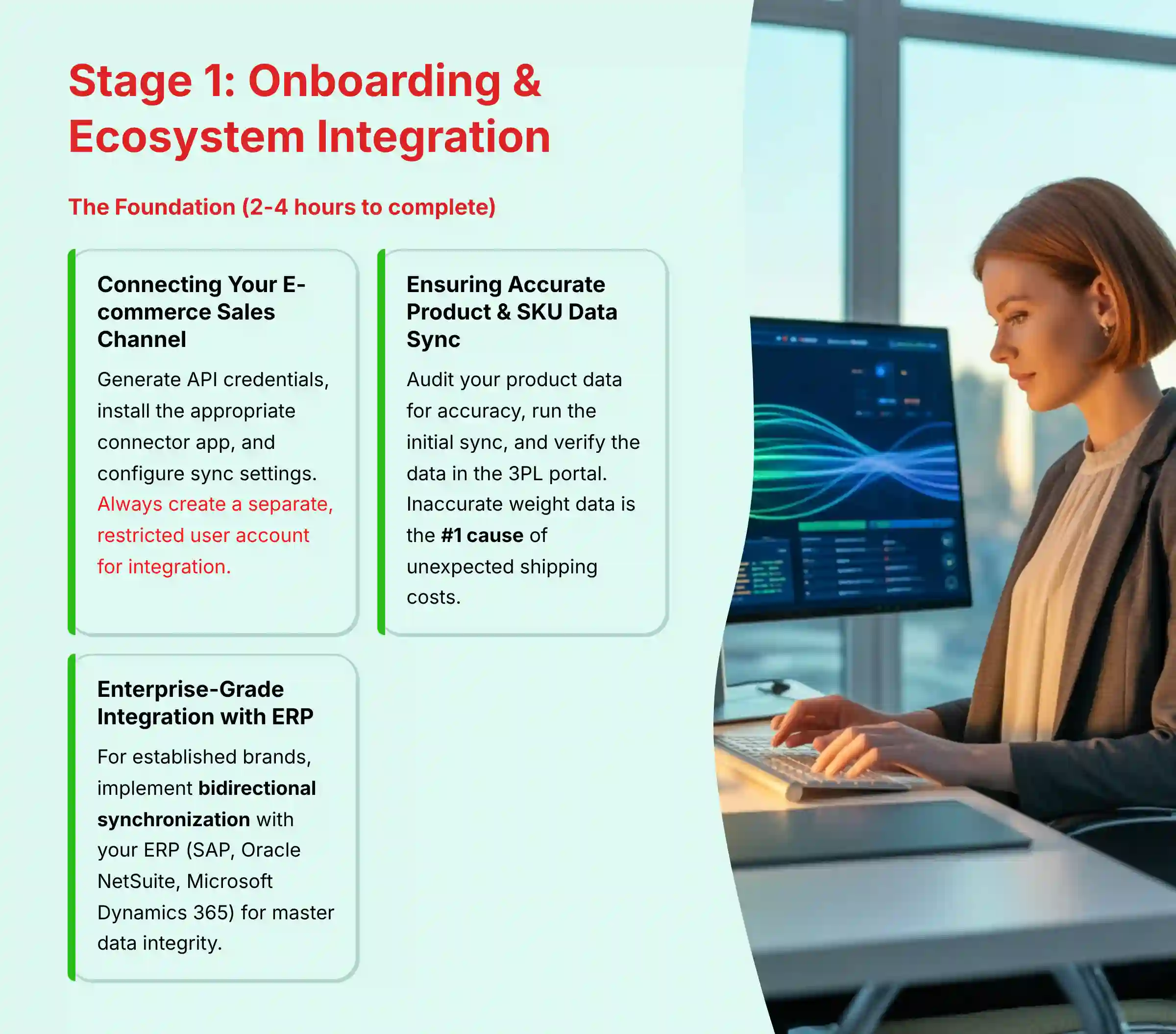
Stage 1: Onboarding & Ecosystem Integration (The Foundation)
This initial stage is the most critical for long-term success. It covers the technical procedures for connecting your e-commerce business to a 3PL network, ensuring a seamless flow of data for orders, products, and inventory.
- Methodology Details: This section provides step-by-step procedural guides with clear parameters. We focus on a “do it right the first time” approach to prevent common data-related issues. This stage includes explicit warnings about data security and the financial risks of inaccurate product data. We estimate this stage takes 2-4 hours to complete. A test order appearing correctly in the portal is a key success metric.
Tutorial: Connecting Your E-commerce Sales Channel
This tutorial details the process for integrating your store. We use Shopify as the primary example because it is the most common use case. The procedure involves generating API credentials, installing the appropriate connector app, and configuring sync settings.
In the logistics industry, you should always create a separate, restricted user account in your e-commerce platform for any integration. This is more secure than using a primary admin account. When implementing advanced fulfillment solutions, consider exploring detailed ShipwithMina Tutorials and Usecase for practical implementation guidance.
Important Security Warning: Handle your API keys like passwords. Never share them in public repositories or unencrypted channels. Leaked keys can provide unauthorized access to your order and customer data. For situations involving API security, consulting with a security professional is recommended to confirm your setup is properly protected.
Option A: Using Pre-Built E-commerce Connectors
This option uses official integration apps. The process typically involves installing and configuring a connector from your platform's app marketplace. The data flows from your e-commerce order, to the 3PL for fulfillment, and then tracking information is sent back to your platform.
Note: When evaluating 3PL providers, verify which e-commerce platforms they have official integrations for. Most reputable services offer connectors for major platforms like Shopify, WooCommerce, BigCommerce, and Magento.
Option B: Direct API Integration For Custom Platforms
For custom platforms, you'll need a direct API integration. This involves working with key API endpoints like POST /orders and configuring webhooks for real-time updates. A professional tip is to prioritize setting up webhooks over API polling. Polling is inefficient and can lead to rate-limiting issues.
Use Case: Ensuring Accurate Product & SKU Data Sync
The AI and automation are only as good as the data they receive. This section covers best practices for preparing and syncing your product catalog. The process includes auditing your product data for accuracy, running the initial sync, and verifying the data in the 3PL portal.
Inaccurate weight and dimension data is the number one cause of unexpected shipping cost adjustments from carriers. A 100-gram error on thousands of orders can cost a business tens of thousands of dollars annually. Your goal should be to achieve less than a 1% discrepancy rate between your system's data and the data audited by your 3PL.
Enterprise-Grade Integration with an ERP System
For established brands, the central nervous system is the Enterprise Resource Planning (ERP) system, which serves as the single source of truth for finance, procurement, and inventory. While e-commerce connectors are crucial, a robust implementation requires deep, bidirectional synchronization with your ERP (e.g., SAP, Oracle NetSuite, Microsoft Dynamics 365).
A professional implementation involves mapping data flows between the 3PL and your ERP to ensure master data integrity. This typically includes:
- Order Flow: Sales orders from the ERP are pushed to the 3PL's Warehouse Management System (WMS) for fulfillment.
- Inventory Sync: Real-time inventory levels from all fulfillment centers are pushed back to the ERP, preventing overselling and informing your demand planning.
- Financial Reconciliation: Shipping and fulfillment cost data is sent back to the ERP for accurate calculation of landed cost and profit margins.
Professional Consultation: This level of integration often requires a solutions architect from your 3PL provider to ensure a seamless connection, minimizing the risk of data discrepancies that can disrupt your entire cash conversion cycle.
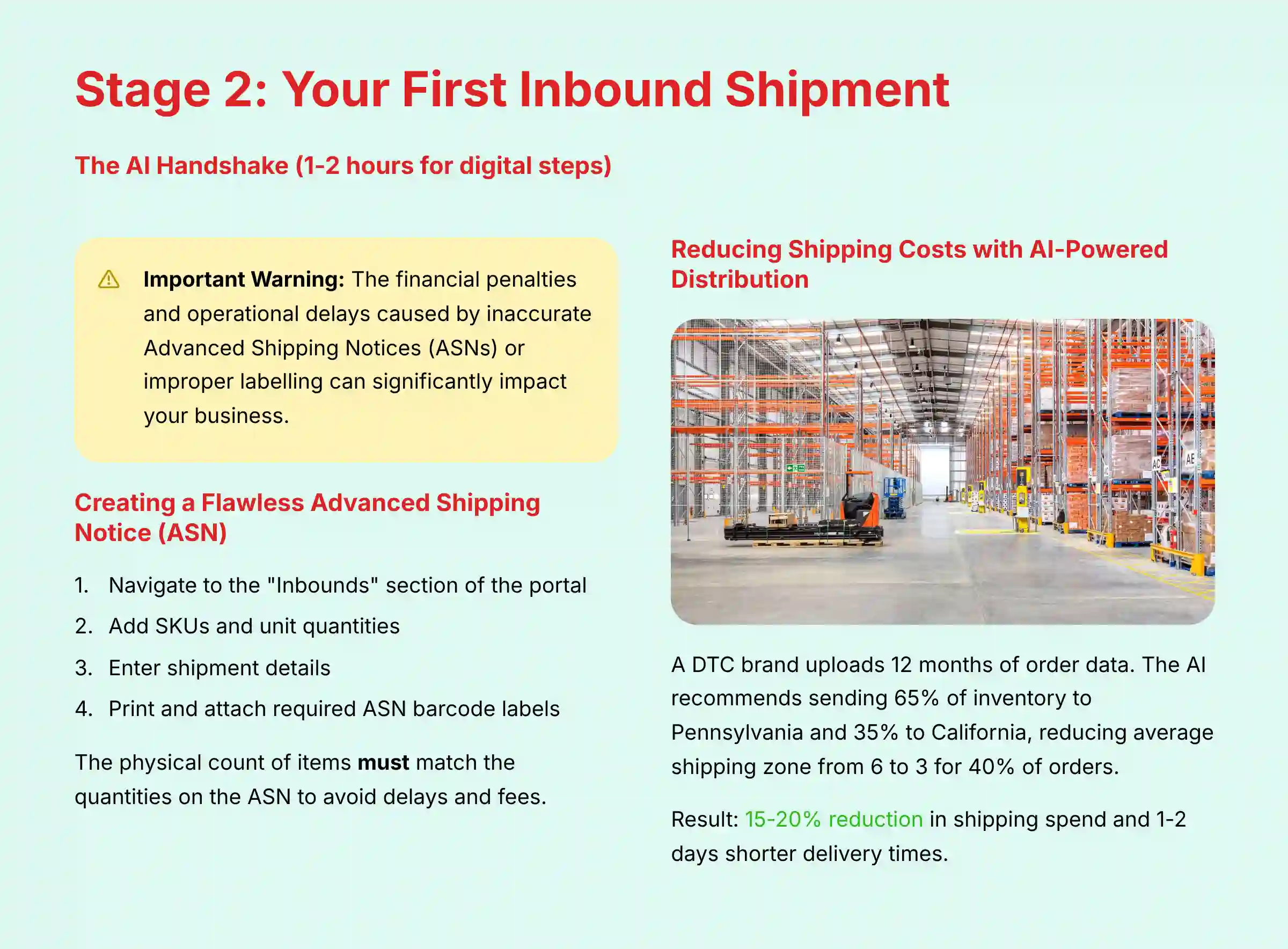
Stage 2: Your First Inbound Shipment (The AI Handshake)
This stage transitions from digital setup to physical logistics. You will learn how to leverage AI to decide where to send your inventory and how to prepare it for a fast, accurate receiving process at the warehouse.
- Methodology Details: This is a workflow-based tutorial that follows inventory from your supplier to the fulfillment center. It provides a practical checklist for preparing a physical shipment to any 3PL. The process takes about 1-2 hours for the digital steps. Your first shipment should be received within the stated service level agreement (typically 48 hours) with no errors.
Important Warning: The financial penalties and operational delays caused by inaccurate Advanced Shipping Notices (ASNs) or improper labeling can significantly impact your business. Any mistakes here can delay your products from being available to customers, potentially leading to stockouts and lost sales.
Use Case: Reducing Shipping Costs with AI-Powered Inventory Distribution
A direct-to-consumer brand in Los Angeles wants to cut shipping costs to East Coast customers. The brand uploads 12 months of historical order data to their 3PL's analytics engine. The AI analyzes the data and recommends sending 65% of inventory to a Pennsylvania warehouse and 35% to a California warehouse.
This strategy could reduce the brand's average shipping zone from 6 to 3 for approximately 40% of its orders. This could result in an estimated 15-20% reduction in total shipping spend. It also has the potential to shorten the average delivery time by 1-2 days, improving customer satisfaction.
Industry Context: The shipping cost benefits vary based on your specific product characteristics and customer distribution. Before making significant inventory placement decisions, work with logistics professionals to model the actual cost impacts based on your product dimensions, weight, and historical shipping data.
Tutorial: Creating a Flawless Advanced Shipping Notice (ASN)
An ASN is a digital manifest of the inventory you are sending. You navigate to the “Inbounds” section of the portal, add SKUs and unit quantities, and enter shipment details. Then you print and attach the required ASN barcode labels to your boxes.
The physical count of items in your boxes must match the quantities on the ASN. Any difference will flag the shipment for a manual audit. This will cause delays and potential fees.
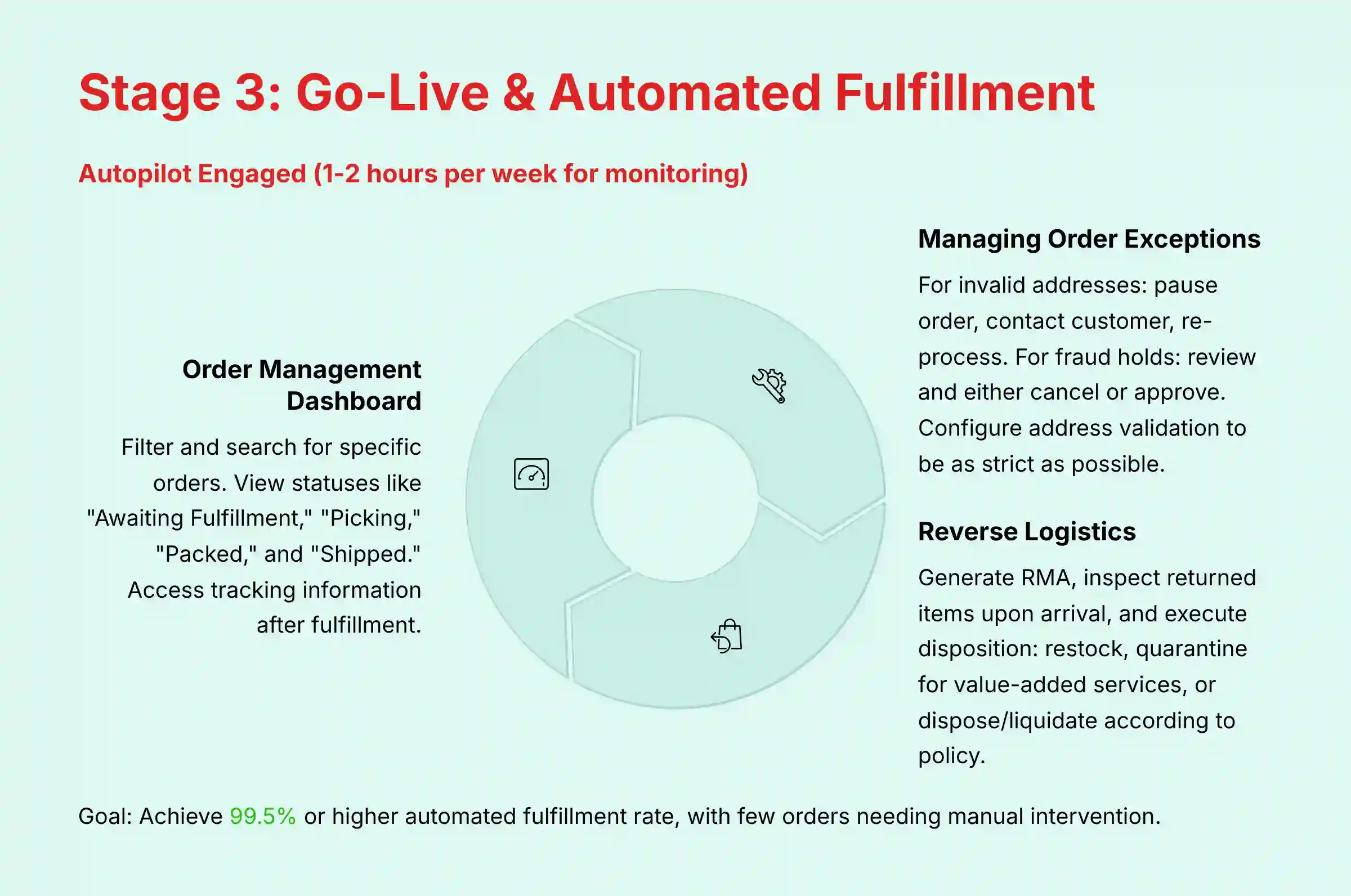
Stage 3: Go-Live & Automated Fulfillment (Autopilot Engaged)
With integration complete and inventory in place, this stage focuses on monitoring the automated fulfillment process and managing any problems. You will learn to use the order management dashboard and understand how AI routes orders.
- Methodology Details: This section is a feature deep-dive combined with a troubleshooting guide. We provide a “Day 1 Go-Live Checklist” for a smooth transition. The goal is to achieve a 99.5% or higher automated fulfillment rate, with few orders needing manual intervention. Monitoring takes about 1-2 hours per week.
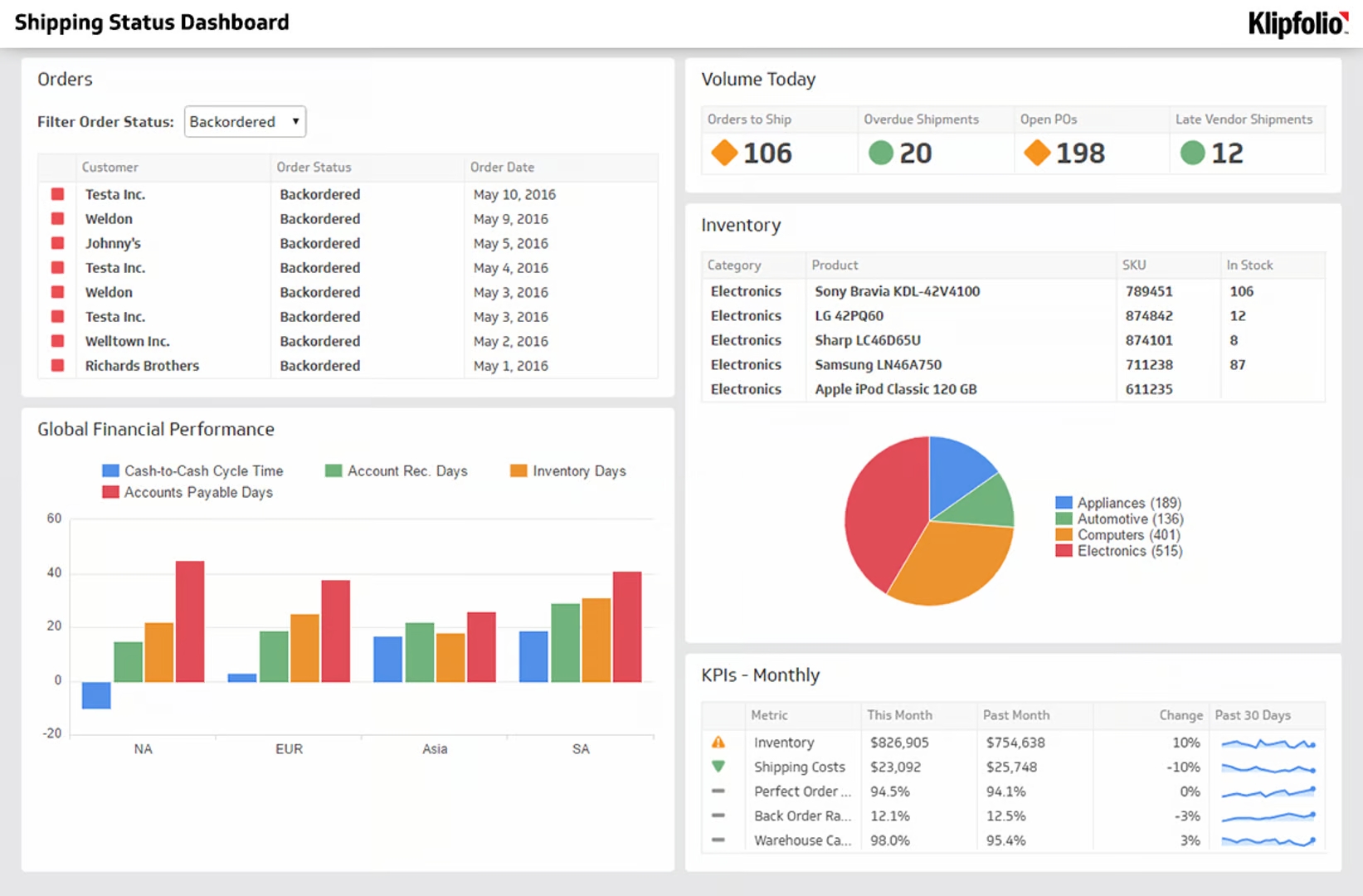
Feature Deep Dive: The Order Management Dashboard
The dashboard allows you to filter and search for specific orders. You can see order statuses like “Awaiting Fulfillment,” “Picking,” “Packed,” and “Shipped.” After fulfillment, you can access tracking information and shipment details.
For comprehensive analysis and comparison of different fulfillment solutions, consider reviewing our detailed ShipwithMina Review to understand how modern platforms handle order management and automation.
Troubleshooting: Managing Common Order Exceptions
Standard procedures exist for handling common problems. For an invalid address, you pause the order, contact the customer, and re-process it. For a fraud hold, you review the order and either cancel or approve it.
A professional tip is to configure your e-commerce platform's address validation settings to be as strict as possible. This action prevents a majority of address-related holds later. Addressing these issues may require coordination with your customer service team.
Managing the Inevitable – Reverse Logistics
A complete fulfillment strategy must account for customer returns. Modern tech-enabled 3PLs automate the reverse logistics process to protect your margins and customer experience. The standard workflow includes:
- RMA Generation: A Return Merchandise Authorization (RMA) is generated, often via an integrated portal, providing the customer with a shipping label.
- Receiving & Inspection: Upon arrival at the warehouse, the returned item is inspected based on your predefined rules (e.g., check for damage, verify contents).
- Disposition: The warehouse team executes the disposition command from the WMS:
- Restock: If the item is in sellable condition, it is returned to inventory, and the stock level is updated in your system.
- Quarantine: If the item requires minor rework (e.g., repackaging), it is held for value-added services.
- Dispose/Liquidate: If the item is damaged, it is disposed of according to your policy.
Strategic Insight: An efficient reverse logistics process is a key driver of supply chain resilience. It recovers value from returned goods quickly and ensures that positive customer experiences are maintained even when an order isn't perfect.
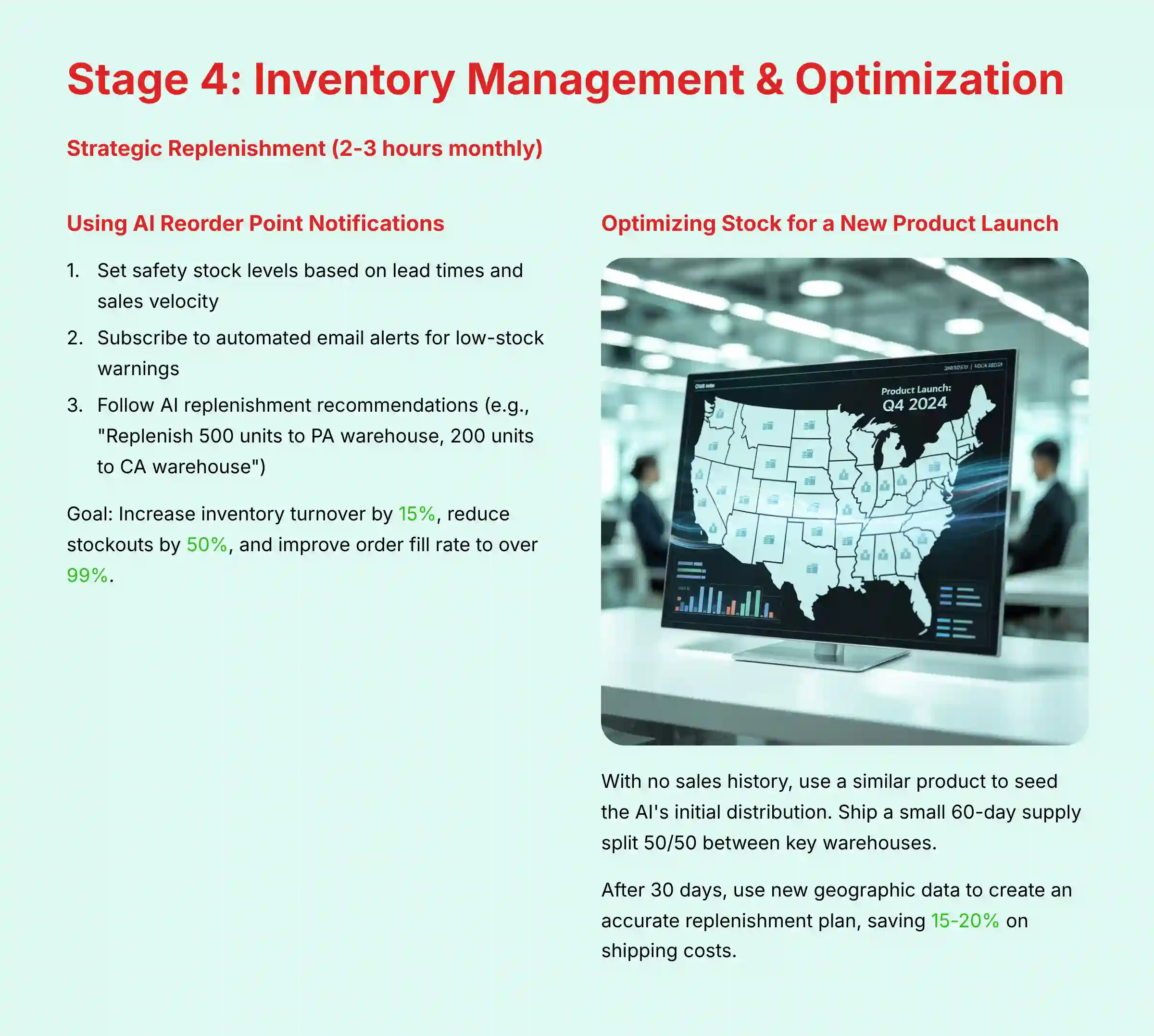
Stage 4: Inventory Management & Optimization (Strategic Replenishment)
This advanced stage uses AI intelligence to maintain healthy stock levels across the network. It helps prevent both stockouts and overstocking. You will learn to use AI-powered reorder notifications and analyze inventory velocity.
- Methodology Details: This section blends tutorials on dashboard features with strategic guidance on inventory planning. We cover advanced strategies like preparing for promotional peaks by pre-positioning inventory. This monthly analysis takes 2-3 hours. The goal is to increase inventory turnover by 15% and cut stockouts by 50%.
This section blends tutorials with strategic guidance on inventory planning. The AI-driven recommendations help you move beyond basic reorder points to actively manage your inventory carrying costs and mitigate the bullwhip effect across your supply chain.
We cover advanced strategies like preparing for promotional peaks by pre-positioning inventory. This monthly analysis takes 2-3 hours. The goal is to increase inventory turnover by 15%, reduce stockouts by 50%, and improve your order fill rate to over 99%.
Tutorial: Using AI Reorder Point Notifications
You can set safety stock levels based on your lead times and sales velocity. Then, you can subscribe to automated email alerts for low-stock warnings. The AI provides replenishment recommendations, like “Replenish 500 units to PA warehouse, 200 units to CA warehouse.”
For advanced inventory optimization strategies and implementation guidance, explore our comprehensive ShipwithMina Overview and Features to understand how modern AI systems handle inventory distribution decisions.
Use Case: Optimizing Stock for a New Product Launch
A brand is launching a new product with no sales history. They use a similar product to seed the AI's initial distribution recommendation. They ship a small, 60-day supply split 50/50 between two key warehouses.
After 30 days of sales, they use the new geographic order data to create an accurate, AI-driven replenishment plan. This approach avoids a costly mistake of sending all inventory to the wrong location. It could save an estimated 15-20% on shipping costs for the first 90 days.
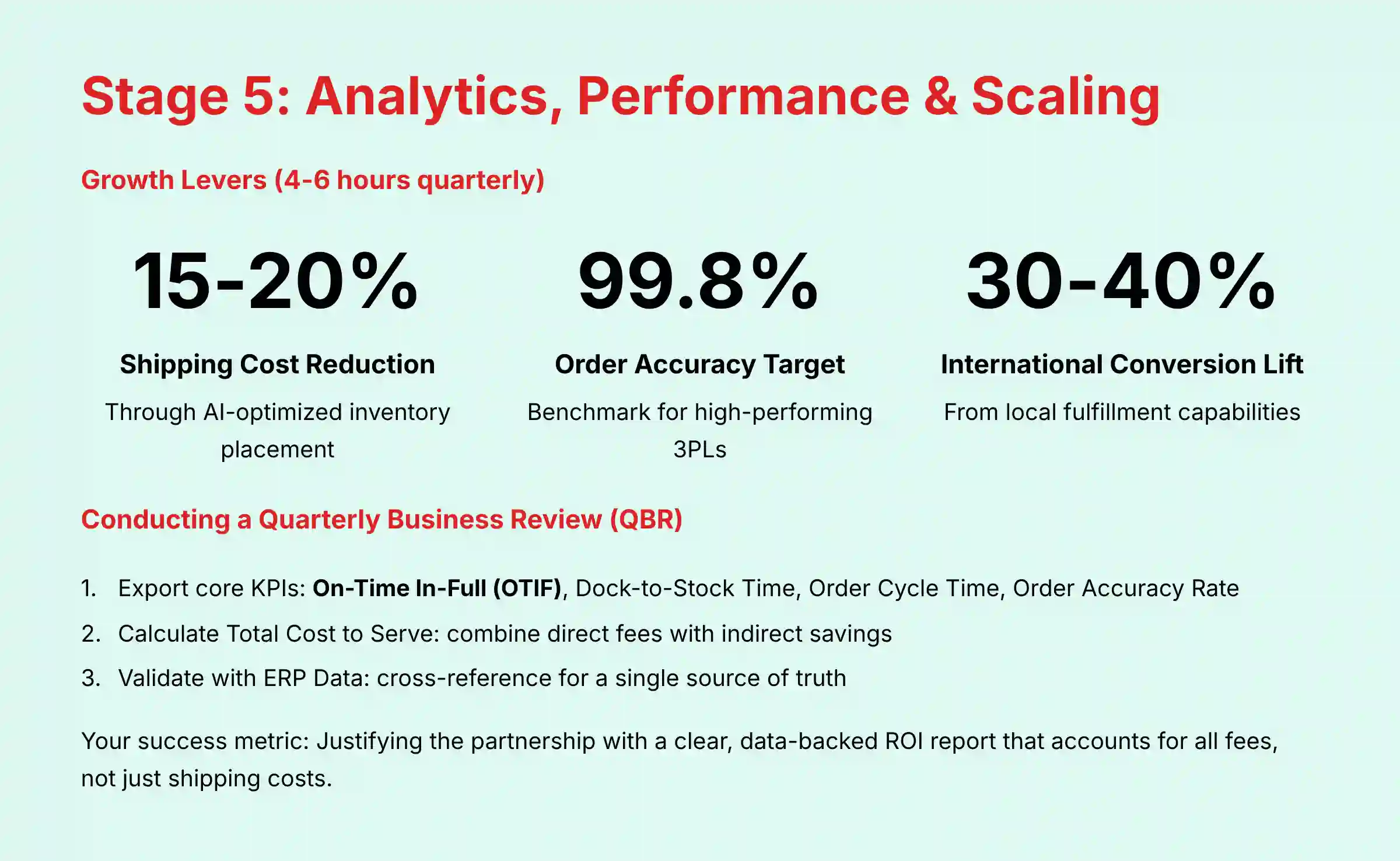
Stage 5: Analytics, Performance & Scaling (Growth Levers)
The final stage acts as your set of Growth Levers. It is about using fulfillment data to make smarter business decisions. These decisions can range from financial planning to international expansion.
- Methodology Details: This section is focused on strategic analysis. It uses the platform's reporting tools as the foundation. We provide a framework for conducting a Quarterly Business Review (QBR) with data from the dashboard. This quarterly work takes 4-6 hours. Your success metric is justifying the partnership with a clear, data-backed ROI report.
Important Disclaimers: ROI calculations must account for all fees, not just shipping costs. Data should be validated with your own financial records. For complex financial modeling involving significant logistics investments, consulting with a financial advisor is recommended.
Workflow: Analyzing Shipping Costs and Calculating ROI
First, you export the shipping cost report from the analytics dashboard. Next, you compare the AI-optimized shipping costs against what it would cost to ship from a single location. Finally, you factor in savings from reduced labor and overhead, along with increased sales from faster shipping.
Conducting a Quarterly Business Review (QBR) with Performance Data
The analytics dashboard functions as your Supply Chain Control Tower, providing the end-to-end visibility needed for a strategic QBR. Your ROI calculation should extend beyond shipping costs to include a full operational assessment.
- Export Core KPIs: From the dashboard, export reports on key operational metrics that were defined in your Service Level Agreement (SLA):
- On-Time In-Full (OTIF): The primary measure of customer satisfaction.
- Dock-to-Stock Time: The average time from when a shipment arrives at the warehouse to when it is available for sale. A low time is critical for preventing stockouts.
- Order Cycle Time: The total time from order placement to final delivery.
- Order Accuracy Rate: Should be benchmarked against a target of 99.8% or higher.
- Calculate Total Cost to Serve: Combine direct fees (storage, pick/pack, shipping) with indirect savings from reduced labor, lower inventory carrying costs, and avoided stockouts.
- Validate with ERP Data: Cross-reference the platform's data with financial records in your ERP for a validated, single source of truth on fulfillment performance and its impact on your bottom line.
Strategic Guide: Expanding into International Markets
A successful US brand uses its geographic order data to confirm high demand from the UK and Germany. They consult with logistics experts on VAT and customs rules. They use AI recommendations to plan an initial shipment to an appropriate European warehouse.
The brand then activates international shipping options for EU and UK customers. This offers them much faster and cheaper local delivery. As a result, the brand could increase its European conversion rate by 30-40% and potentially see 20-25% year-over-year growth in the new market.
Professional Advisory: International expansion involves significant complexities, including VAT registration, customs brokerage, import duties (tariff codes), and compliance with regulations like GDPR. Any international expansion strategy requires consultation with logistics experts, international trade attorneys, and tax advisors specializing in the target region.
Frequently Asked Questions About AI-Powered Fulfillment Implementation
What Is The Biggest Mistake To Avoid When Integrating With A Tech-Enabled 3PL?
The biggest mistake is failing to audit and clean your product master data before the initial sync. The AI automation relies on accurate SKUs, barcodes, weights, and dimensions. A small error, like listing weight in ounces instead of pounds, can lead to thousands of dollars in incorrect shipping charges.
Before integration, export your product catalog and manually verify the data for your top 50-100 SKUs. This simple step can prevent significant financial and operational headaches. For common implementation challenges and solutions, refer to our detailed ShipwithMina FAQs guide.
How Is A Tech-Enabled 3PL Different From A Standard Warehouse (WMS) Software?
A tech-enabled 3PL is not a Warehouse Management System (WMS) you operate yourself. It is a Third-Party Logistics (3PL) service that leverages advanced technology. You send your inventory to their fulfillment centers, and their teams use their AI software to handle the physical logistics for you.
Your interaction is at a strategic level through their client dashboard—you manage inventory placement and monitor performance, while they handle the operational execution.
What Is The Realistic ROI I Can Expect?
Return on Investment comes from three primary areas. First is a direct reduction in shipping costs, typically ranging from 15-20%. Second is labor cost savings from outsourcing warehouse operations. Third is an increase in sales conversion, which can be 10-30%, from offering faster shipping.
A realistic ROI calculation must subtract all fees (storage, pick/pack, shipping) from these gains. Most brands with consistent order volume can see a positive ROI within 6-12 months, though this varies based on your specific business model and scale.
How Secure Is My Customer and Sales Data?
Data security is a critical consideration when selecting a 3PL partner. You should verify that any provider has, at minimum, SOC 2 Type II and ISO 27001 certifications. These independent audits confirm adherence to strict standards for data security, availability, and confidentiality.
All data in transit should be encrypted via TLS 1.2+, and data at rest should be encrypted using AES-256. Ask about their data access controls and ensure that your customer's Personally Identifiable Information (PII) is handled in compliance with regulations like GDPR or CCPA.
What Happens If The AI Recommends A Suboptimal Inventory Split?
AI recommendations are based on historical data; if your market changes suddenly, these suggestions might become suboptimal. Treat the AI as a powerful advisor, not an infallible authority. Cross-reference its recommendations with your own business intelligence.
If you're planning a big promotion targeted at a specific region, you can manually override the AI and adjust your inventory accordingly. The best practice is to use AI data as a baseline and layer your own strategic insights on top of it.
Can AI-Powered 3PLs Integrate With A Custom-Built E-commerce Platform?
Yes, integration with custom platforms is typically done via a direct REST API. Providers should offer developer documentation for the connection. This requires a developer on your team to build and maintain the integration.
The most critical part is setting up webhooks for real-time updates on shipping and inventory events to ensure your platform stays synchronized without overwhelming the API with constant polling. For custom API integrations handling sensitive business data, a security review by a qualified cybersecurity professional is recommended to prevent data leaks and ensure system integrity.
When comparing different solutions, explore comprehensive competitive analysis through our ShipwithMina Top Alternatives and Competitors guide to understand various integration approaches.
What Is The Most Common Troubleshooting Issue After Go-Live?
The most common issue is an “inventory sync” mismatch between your e-commerce platform and the 3PL dashboard. This typically happens when multiple systems are trying to manage inventory levels simultaneously.
To resolve this, you must designate one system as the single source of truth for inventory and disable inventory management features in all other connected applications to prevent them from overwriting updates.
How Much Historical Data Does The AI Need To Be Effective?
For AI-powered inventory distribution recommendations to be effective, providers typically need at least six months of clean order data, with a full year being optimal to account for seasonality. The key data points are destination shipping addresses and the SKUs ordered.
If you're a new business without historical data, start by splitting inventory evenly between strategically located warehouses and use the first 3-4 months of data to inform your next replenishment strategy.
Conclusion: Leveraging AI for Competitive Advantage in Fulfillment
Implementing AI-powered fulfillment is not merely a technological upgrade—it's a strategic transformation of your logistics operations. The methodologies outlined in this guide provide a framework for moving from reactive to proactive supply chain management, where data-driven decisions replace guesswork and manual processes.
By following this implementation roadmap, e-commerce operators and supply chain managers can not only reduce costs but also create a significant competitive advantage through faster delivery times, higher accuracy rates, and the ability to scale operations efficiently.
As customer expectations continue to rise, those who successfully leverage AI in their fulfillment operations will be positioned to outperform their competition in both efficiency and customer experience.
Remember that while AI provides powerful recommendations, the human element of strategic oversight remains essential. The most successful implementations combine technological capabilities with human expertise, creating a system that is both intelligent and adaptable to changing market conditions.

Leave a Reply