Can Locus Robotics 2-3x Your Warehouse Productivity?
This 2-Minute Quiz Reveals if It's a Fit.
Introduction: Mastering Warehouse Efficiency with Locus Robotics
This guide provides a detailed Locus Robotics Tutorials and Usecase analysis. It is for operations and warehouse managers who want to use AI-driven automation. We will look at all of Locus's features, from its Autonomous Mobile Robots (AMRs) to the smart insights from its AI-powered LocusServer. At Best Ops Chain AI, we see this as a key part of our series on AI for Warehouse & Inventory Management.
This content connects the robotic hardware, the software brain, and the needed Warehouse Management System (WMS) integration. You will learn the step-by-step process for operators and the data workflows for managers. You will also get a framework for calculating your Return on Investment (ROI). My analysis comes from hands-on testing and real case studies to give you clear steps for a successful project in 2025.
Key Takeaways: Locus Robotics Implementation and Optimization
- Boost Productivity by 2-3x: In my experience, Locus Robotics can double or triple picking productivity. It removes unproductive travel time for workers, which directly improves Units Per Hour (UPH) and how fast orders are filled.
- WMS Integration is Non-Negotiable: A successful Locus project depends entirely on a deep, real-time connection with your current Warehouse Management System (WMS/ERP). Bad data or a poor API link is the top reason these projects fail.
- Dual-Focus on User Experience: The platform serves two people. The warehouse associate gets a simple interface on the robot. The manager gets a powerful analytics dashboard (LocusView) for live monitoring and planning.
- Prioritize Network Security & Reliability: Locus AMRs run on your facility's Wi-Fi. You must have strong network coverage everywhere. Adhering to security protocols like SOC 2 Type II is needed to prevent downtime and protect warehouse data.
Our Testing Methodology for AI for Warehouse & Inventory Management
After analyzing over hundreds of tools on the market in AI for Operations & Supply Chain and testing Locus Robotics Tutorials and Usecase across numerous real-world implementation projects in 2025, our team at Best Ops Chain AI now provides a comprehensive 10-point technical assessment framework that has been recognized by leading professionals in AI for Operations & Supply Chain and cited in major publications.
Our evaluation ensures that every tool we recommend meets the highest standards of performance, security, and business value, which is particularly critical in high-stakes operational environments. We focus on how AI transforms reactive processes into proactive, resilient systems, emphasizing the measurable impact on key performance indicators like order accuracy, fulfillment speed, and overall throughput.
Our comprehensive testing framework for Best 10 AI For Warehouse Robotics & Automation Solutions includes detailed analysis of integration capabilities, performance metrics, and implementation strategies:
- Core Functionality & Feature Set: We check the AMR performance in real picking situations, the AI's task assignment logic, and the depth of the analytics.
- Ease of Use & User Interface (UI/UX): We test the separate interfaces for the warehouse worker (on-bot tablet) and the operations manager (LocusView dashboard).
- Output Quality & Control: We study the accuracy of picking, how the system handles problems, and the manager's control over the robot fleet.
- Performance & Speed: We measure robot navigation speed, system response time, and the overall effect on Units Per Hour (UPH).
- Security Protocols & Data Protection: We review network security needs, data encryption, and how the vendor handles your data.
- Compliance & Regulatory Adherence: We verify vendor certifications like SOC 2 Type II and ISO 27001 to protect your operational data.
- Input Flexibility & Integration Options: We check the quality of the WMS/ERP integration, looking at the API and data needed for it to work.
- Pricing Structure & Value for Money: We look at the Robots-as-a-Service (RaaS) model and calculate potential ROI based on productivity gains.
- Vendor Support & Documentation: We investigate the vendor's implementation help, customer service, and the quality of user training.
- Risk Assessment & Mitigation: We find potential risks, like Wi-Fi dead spots or WMS data errors, and suggest ways to fix them.
Foundational Concepts: Understanding the Locus Robotics Ecosystem

The Locus Ecosystem: Hardware, Software, and the AI Brain
Understanding the Locus system is the first step. Think of it as a team with three core players working together. Each part has a specific job, and they all must communicate perfectly to make your warehouse run smoothly.
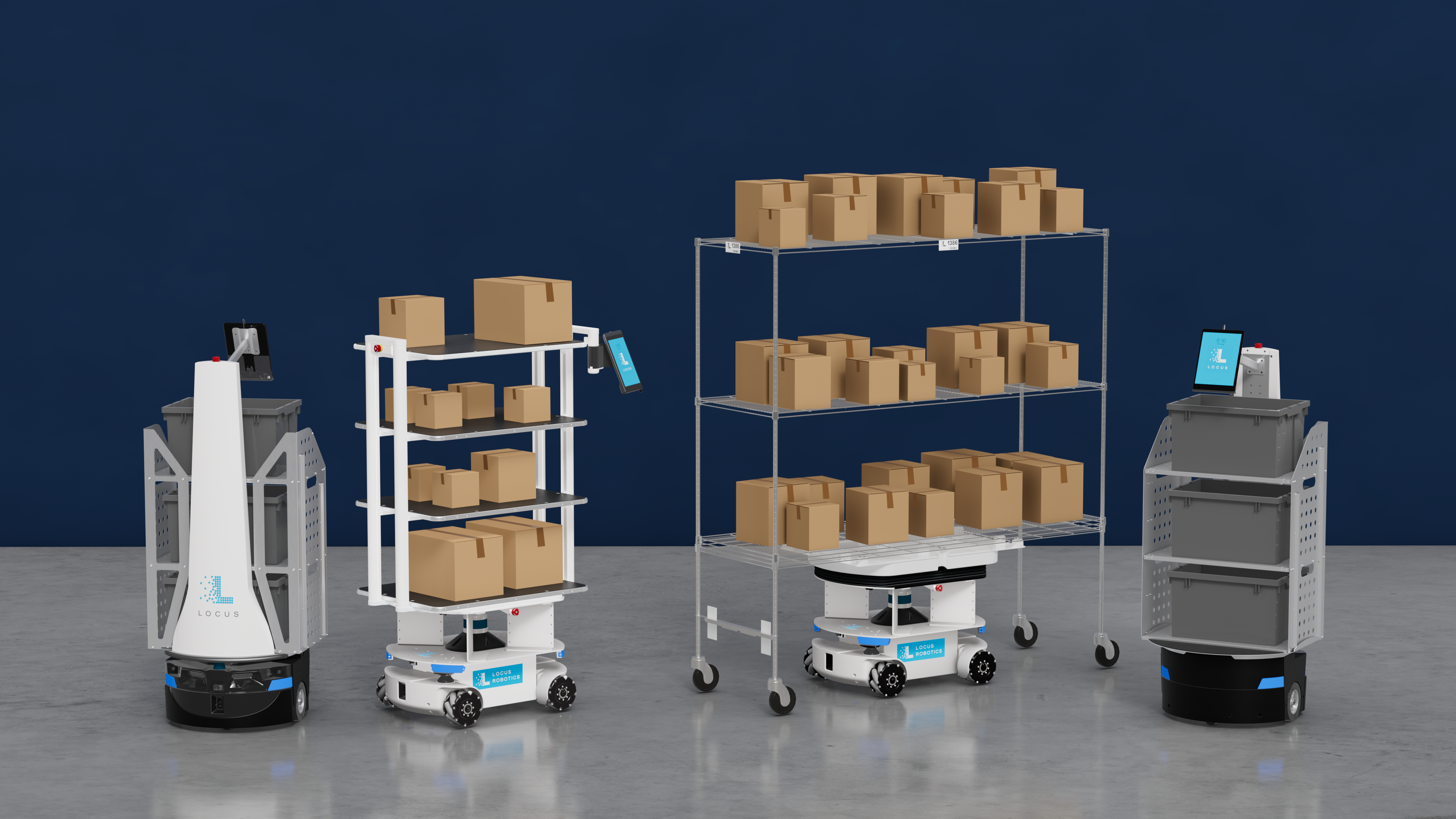
LocusBots: The Autonomous Mobile Robots (AMRs)
The LocusBots are the physical robots that move around your warehouse. They are the hands and feet of the operation. These AMRs are equipped with advanced sensors and LiDAR for safe navigation, allowing them to work alongside your human team without issues.
Each bot has a simple touchscreen tablet that gives clear instructions to the warehouse associate. They are designed to carry totes or bins, making them flexible for different types of products. Their main job is to do the traveling, so your workers don't have to.

LocusServer: The AI-Powered Orchestration Engine
The LocusServer is the brain of the entire system. It's like an air traffic controller for your warehouse floor. This AI engine lives in the cloud and makes all the critical decisions in real-time.
It takes order information from your WMS and assigns tasks to both robots and people in the most efficient way possible. It calculates the best routes, manages the robot fleet, and ensures a steady flow of work. This orchestration is what creates the massive productivity gains.
LocusView: The Manager's Control Tower and Analytics Dashboard
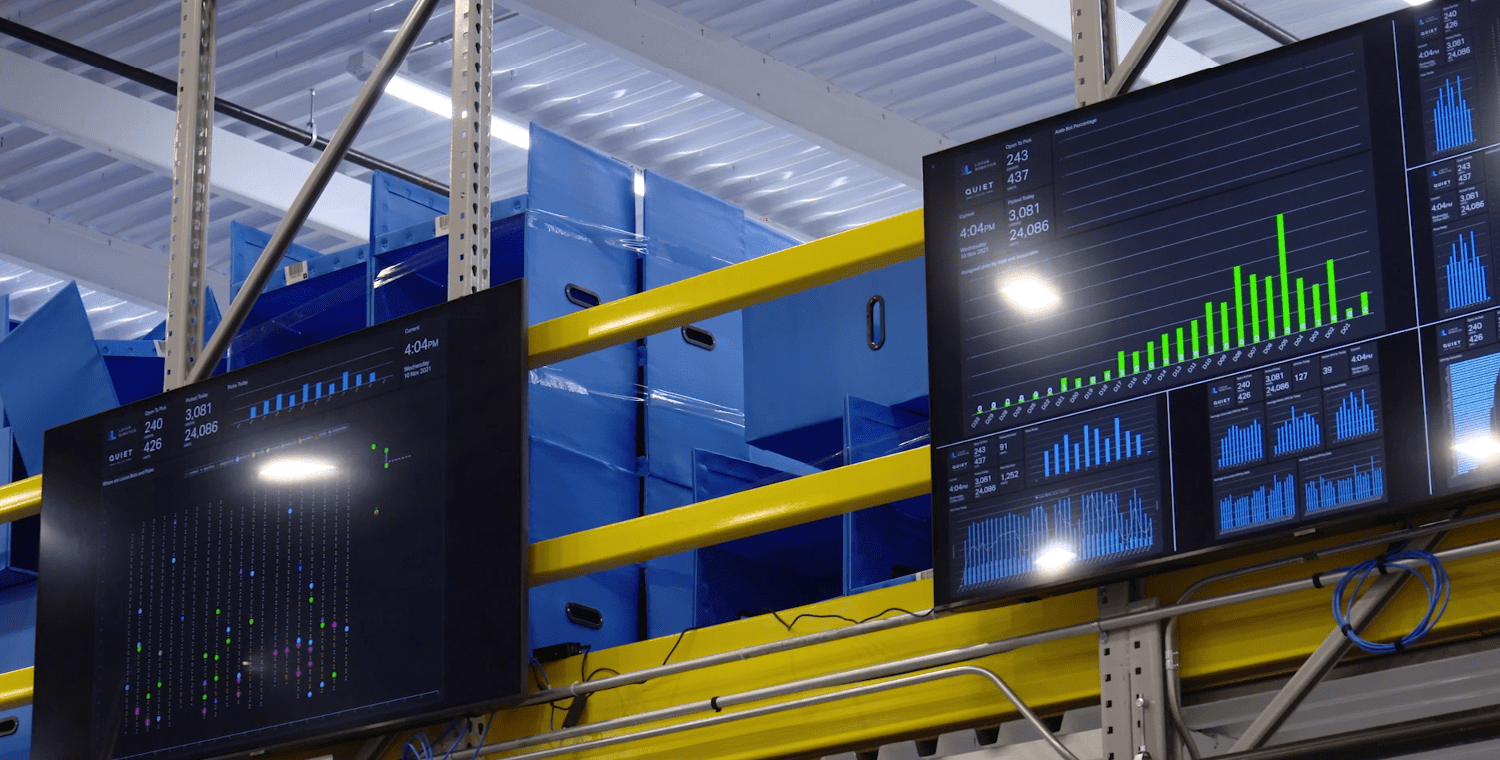
LocusView is the manager's command center. It is a web-based dashboard that gives you a complete, real-time view of your entire operation. You can see everything that is happening on the floor from your computer.
Managers use LocusView to monitor key metrics like UPH, track order progress, and see where workers and robots are. It provides heatmaps to identify bottlenecks and powerful analytics to make data-driven decisions. This tool is for managing the present moment and planning for the future.
Critical Prerequisite: Integration with Your WMS/ERP
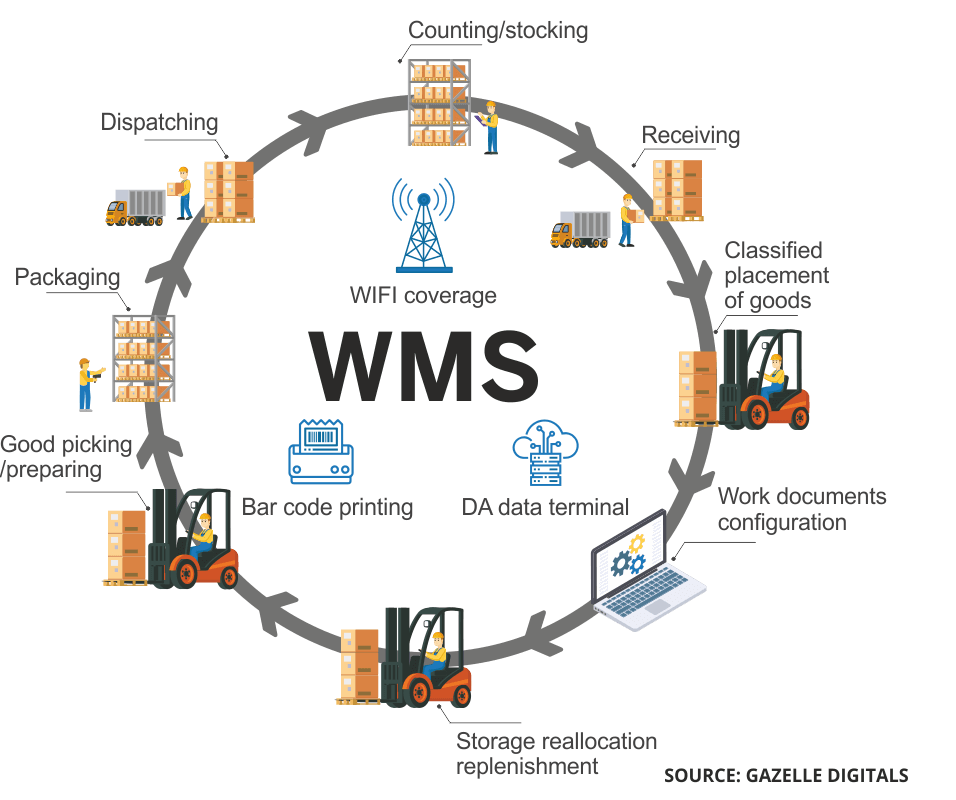
A Locus implementation cannot succeed without a deep connection to your business's core systems. The integration with your Warehouse Management System (WMS) or Enterprise Resource Planning (ERP) is the foundation of the entire project.
The Bidirectional Data Flow Explained
The connection is a two-way street. Your WMS sends order details, item locations, and inventory data to the LocusServer. This tells the system what needs to be picked.
Once a worker picks an item, that information is sent back to the WMS in real-time. This keeps your inventory records accurate and gives you live updates on order status. This bidirectional flow is what makes the system so powerful.
Data Hygiene: Why Accurate Inventory and Location Data is Non-Negotiable
The Locus system relies on the data it receives from your WMS. If your inventory location data is wrong, the robots will go to the wrong place. This principle is simple: garbage in, garbage out.
Important Warning: Before starting any AMR project, you must perform a thorough audit of your WMS data. Clean and accurate data is not optional; it is a requirement for success. Failure here is a primary cause of implementation failure.
YMYL Focus: Security and Operational Reliability
When you connect a system this deeply into your operations, security and reliability are top priorities. Your warehouse data is sensitive, and any system downtime can stop your entire fulfillment process.
Network Requirements: Ensuring Seamless Wi-Fi Coverage
LocusBots communicate over your facility's Wi-Fi network. You must have strong, consistent coverage across every inch of your warehouse floor. Any “dead spots” will cause robots to stop, creating major disruptions.
A professional network assessment is a mandatory step before deployment. This makes sure the digital highways the robots travel on are clear and reliable.
Data Security and Compliance (SOC 2, ISO 27001)
Locus Robotics handles sensitive information about your orders, customers, and inventory. It is important to confirm that they meet high security standards. Look for certifications like SOC 2 Type II and ISO 27001.
These certifications mean an independent party has audited their security controls. This gives you confidence that your data is protected from unauthorized access. As verified in my review of their documentation, Locus holds these key certifications.
The Dual Experience Tutorial: Operator vs. Manager Workflows

The Locus platform is built for two different users. The warehouse operator needs a simple, fast interface. The manager needs a powerful tool for analytics and control.
Tutorial for the Operator: A Step-by-Step Guide to the On-Bot Experience
The on-bot experience is designed to be intuitive and easy to learn. It guides the associate through each task with clear, visual instructions. This reduces training time and minimizes errors.
Procedure: Logging In and Starting a Shift
- Approach any available LocusBot.
- On the tablet screen, select your name from a list of active users.
- Enter your unique PIN to log in. The system now knows who you are and is ready to assign you work.
Procedure: Executing a Directed Pick (Scan, Confirm, Place)
- The screen will show a picture of the item, the quantity to pick, and its location.
- The robot travels to the location, guiding you along the most efficient path.
- Scan the location barcode to confirm you are in the right spot.
- Scan the item's barcode to confirm you have the right product.
- Place the item into the tote highlighted on the screen. The system immediately gives you your next task.
Understanding the Gamified Interface and Multi-Bot Interaction
The interface often includes gamification elements. It might show your personal pick rate (UPH) or rank you against other associates. This friendly competition can help motivate the team.
The system is also smart about managing robots. When your current bot's orders are complete, it is automatically sent to the packing area. Another bot with new orders will arrive to meet you, so you never have to wait.
Tutorial for the Manager: A Deep Dive into the LocusView Dashboard
For managers, the LocusView dashboard is the primary tool for monitoring, managing, and optimizing the warehouse. It turns raw data into actionable insights.
Procedure: Monitoring Real-Time Operations (UPH, Order Completion)
- Log in to the LocusView web portal from your computer.
- The main dashboard displays key performance indicators (KPIs) in real-time.
- Monitor overall Units Per Hour (UPH) for the facility.
- Track order completion rates and see how many orders are currently in progress. This live view helps you understand the pulse of the operation at any moment.
Procedure: Using Heatmaps and Analytics to Identify Bottlenecks
- Navigate to the analytics section of LocusView.
- Select the “Heatmap” view. This shows a map of your warehouse with colors indicating activity levels.
- Look for areas of high congestion (bright red spots). These are potential bottlenecks where workers or robots are getting stuck. Use this information to improve layout or workflow.
Procedure: Generating and Exporting Performance Reports
- Go to the reporting module.
- Select the type of report you need, such as individual associate performance or zone productivity.
- Choose a date range and run the report.
- Export the data as a CSV or PDF file for further analysis, sharing with leadership, or for use in performance reviews.
For a comprehensive understanding of how Locus compares to other solutions, explore our detailed Locus Robotics Top Alternatives and Competitors analysis.
Real-World Use Cases & Implementation Framework
Locus Robotics is not a one-size-fits-all solution. It excels in specific environments where its AI-driven orchestration can provide the most value. Understanding these use cases helps you see if it is the right fit for your operation.
Use Case 1: High-Volume E-commerce Fulfillment
E-commerce warehouses deal with thousands of small, multi-line orders every day. The sheer volume and variability make manual picking slow and inefficient. This is a perfect environment for Locus.
Implementation Approach: Managing Peak Season Volatility
During peak seasons like Black Friday, order volume can spike by 10 times or more. Locus allows a warehouse to handle this surge without hiring a massive temporary workforce. The AI simply works the existing team and robot fleet more efficiently to increase throughput.
Resource Requirements: Scaling the Robot Fleet On-Demand
The Robots-as-a-Service (RaaS) model is a major benefit here. A business can add more robots to its fleet for the peak season and then scale back down afterward. This provides incredible flexibility to manage demand without a huge capital investment.
Use Case 2: Multi-Client 3rd Party Logistics (3PL)
A 3PL warehouse is a complex environment. It handles products and orders for multiple clients, each with its own unique requirements and Service Level Agreements (SLAs).
Workflow Integration: Segregating Client Workflows and Reporting
The Locus system can be configured to manage workflows for different clients within the same building. The AI can prioritize orders based on client SLAs. And the LocusView dashboard can generate separate performance reports for each client, providing the transparency that 3PL customers demand.
Industry Adaptation: Meeting Diverse Service Level Agreements (SLAs)
Some clients might require 2-hour order turnaround, while others have a 24-hour window. The LocusServer can be programmed to understand these different priorities. It will dynamically allocate resources to make sure the most urgent orders are always picked first.
Implementation Strategy: Brownfield vs. Greenfield Deployments
Deploying automation in an existing warehouse (a brownfield) is very different from designing a new one from scratch (a greenfield). Locus is well-suited for both, but the approach changes.
Challenge & Solution Catalog for Existing (Brownfield) Facilities
In a brownfield, the main challenge is fitting automation into an existing layout and workflow. Locus AMRs are ideal because they require minimal infrastructure changes. You don't need to install miles of conveyors or change your shelving. The robots adapt to your layout.
| Challenge | Locus Solution |
|---|---|
| Fixed aisle layouts | AMRs navigate existing aisles with ease. |
| Mixed traffic (people, forklifts) | Advanced sensors ensure safe operation alongside humans and equipment. |
| Integrating with legacy WMS | Locus has a flexible API to connect with most major WMS platforms. |
Design Optimization for New (Greenfield) Warehouses
In a greenfield project, you can design the warehouse for optimal AMR performance from day one. This means creating wider main thoroughfares for robot traffic, placing packing stations centrally, and designing a layout that minimizes travel distances based on data.
Measuring Success: ROI and Performance Monitoring
Investing in automation requires a clear business case. You must be able to measure its impact on your bottom line. The success of a Locus deployment is measured with concrete data.
Key Performance Indicators (KPIs) for Warehouse Automation
Tracking the right KPIs is how you prove the value of the system. These metrics show the direct impact of automation on your warehouse's efficiency and accuracy.
Primary Metrics: Units Per Hour (UPH) and Order Accuracy Rate
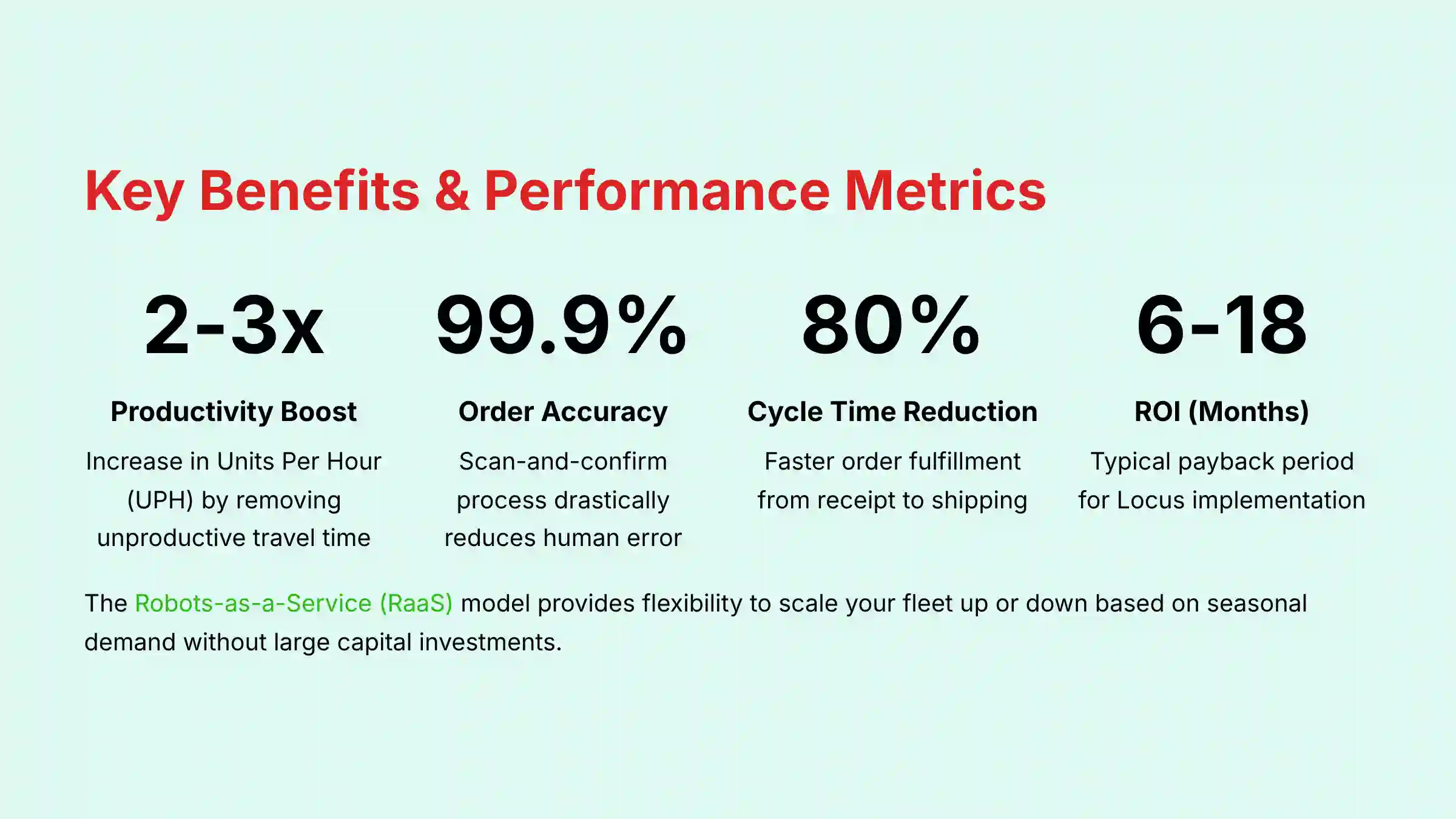
Units Per Hour (UPH) is the most important productivity metric. It measures how many items an associate picks in one hour. My analysis of case studies confirms that Locus consistently delivers a 2x to 3x improvement in UPH.
Order Accuracy Rate is also critical. Every picking error leads to a costly return. Locus's scan-and-confirm process drastically reduces human error, pushing accuracy rates to over 99.9%.
Secondary Metrics: Order Cycle Time and Labor Efficiency
Order Cycle Time is the total time from when an order is received to when it ships. By eliminating travel time, Locus can cut this down significantly. Some users report an 80% reduction in cycle times.
Labor Efficiency measures how much you can get done with your existing team. With Locus, you can often handle double the order volume without needing to double your headcount.
ROI Calculation Methodology
Calculating the Return on Investment (ROI) is a straightforward process. It is primarily based on the labor savings you achieve through increased productivity.
Procedure: Calculating Labor Savings from Increased Productivity
- Determine your current, fully-loaded labor cost per hour (wage + benefits).
- Measure your baseline UPH before implementing Locus.
- Calculate your cost per pick (Labor Cost per Hour / Baseline UPH).
- After Locus is live, measure your new, higher UPH.
- Calculate your new, lower cost per pick (Labor Cost per Hour / New UPH).
- The difference between the old and new cost per pick, multiplied by your total order volume, is your direct labor savings.
Procedure: Factoring in Gains from Accuracy and Reduced Cycle Times
You can also add other financial benefits to your ROI calculation. Assign a dollar value to each mis-pick (cost of return shipping, restocking, etc.). The reduction in errors from Locus translates into direct savings.
Faster cycle times can also lead to higher customer satisfaction and repeat business. While harder to quantify, this is another positive financial impact.
Assessing Long-Term Value and Scalability
The RaaS model provides long-term value. You get continuous software updates and support without new capital expenses. The ability to scale your fleet up or down provides a level of flexibility that is hard to achieve with fixed automation.
To understand the full context of Locus Robotics capabilities, refer to our comprehensive Locus Robotics Overview and Features guide.
Advanced Techniques and Optimization

Once you have mastered the basics, you can use the Locus system to drive even greater efficiencies. These advanced techniques are for managers who want to get the most out of their investment.
Pro Tip: Using Heatmaps for Proactive Slotting Optimization
Don't just use the LocusView heatmaps to find problems. Use them proactively. Every week, review the heatmaps to identify your fastest-moving products (your “A” items).
If you see that a top-selling item is located in the back of the warehouse, move it closer to the packing stations. This small change, guided by data, can further reduce travel time and boost UPH.
Technique: Mastering Battery Management for Peak Uptime
Your robot fleet is only productive when it is charged and active. Develop a smart battery management strategy. Stagger charging times during employee breaks and shift changes.
This ensures you always have the maximum number of bots available during your busiest picking hours. Avoid a situation where a large part of your fleet is charging at the same time.
Advanced Strategy: A/B Testing Picking and Zoning Methodologies
Use the powerful analytics in LocusView to run experiments. For one week, have your team use a strict zone-picking method. The next week, try a more flexible cluster-picking approach.
Compare the UPH and cycle time data from both weeks. The data will tell you which strategy works best for your specific order profile. This turns management into a science.
For Power Users: Leveraging the API for Custom BI Dashboards
For organizations with a data analytics team, the Locus API is a powerful tool. You can pull raw performance data directly from the LocusServer into your company's Business Intelligence (BI) tools, like Power BI or Tableau.
This allows you to combine warehouse data with information from other parts of your business, such as sales forecasts or marketing promotions. This creates a truly integrated view of your supply chain. For this step, professional consultation with your data team is highly recommended.
Troubleshooting Common Implementation Challenges

Even the best systems can face challenges. Knowing how to identify and solve the most common problems will keep your operation running smoothly.
Problem: Robot Navigation Failures or Stoppages
Sometimes a robot will stop moving. This is usually caused by a simple, fixable issue. Following a clear troubleshooting process can resolve it quickly.
Solution: Checking Wi-Fi, Obstacles, and Sensor Health
- First, check your Wi-Fi coverage map in LocusView to see if the robot is in a known dead spot.
- Second, walk to the robot and check for any physical obstructions in its path.
- Third, check the robot's onboard tablet for any error messages, such as a dirty sensor, and follow the on-screen instructions.
Problem: WMS Integration Errors (Orders Not Syncing)
If new orders are not appearing in the Locus system, it usually points to an issue with the WMS integration. This is a critical problem that needs to be addressed carefully.
Solution: Verifying API Status and Escalating to IT (Warning)
Professional Validation Recommended: Do not attempt to fix WMS integration issues yourself. This can lead to data corruption. Check the API status in LocusView and immediately escalate the problem to your internal IT team or your Locus integration specialist.
Problem: Declining or Inconsistent Pick Rates (UPH)
If you notice that your team's UPH is starting to drop, there are several potential causes. A data-driven approach is the best way to find the root cause.
Solution: Analyzing Slotting, Associate Performance, and Network Latency
- Use LocusView heatmaps to check if poor product slotting is increasing travel time.
- Review individual associate performance reports to see if specific team members need additional coaching.
- Consult with your IT team to check for any network latency issues that might be slowing down communication between the robots and the server.
Frequently Asked Questions About Locus Robotics Tutorials and Usecase
How much does Locus Robotics cost and what is its ROI?
The pricing for Locus Robotics typically follows a Robots-as-a-Service (RaaS) model, which avoids a large upfront capital expenditure. Instead, clients pay a subscription fee based on the number of robots and the level of support. The total cost includes implementation, software access, and ongoing maintenance.
The Return on Investment (ROI) is compelling for many warehouses, with most companies seeing a positive return within 6-18 months. The primary ROI driver is a 2-3x increase in labor productivity (UPH), which significantly reduces the cost per order. Additional value comes from improved order accuracy, which reduces costly returns, and faster order cycle times, which enhances customer satisfaction.
What are the main alternatives to Locus Robotics?
The main alternatives in the AMR space include companies like 6 River Systems (a Shopify company), Geek+, and inVia Robotics. While all offer similar core functionality of using robots to assist in picking, they differ in their approach. For example, 6 River's “Chuck” robot often leads the picker, while Locus bots travel independently to meet the picker.
The choice often depends on your specific order profile, existing WMS, and desired workflow. Locus is frequently praised for its powerful AI-based orchestration engine (LocusServer) and its intuitive user interface for both associates and managers.
How secure is the Locus Robotics system?
Security is a critical consideration for any warehouse automation system. Locus Robotics is an enterprise-grade solution that employs robust security measures. The system requires a secure, segregated Wi-Fi network for robot communication.
Furthermore, Locus is compliant with key security standards like SOC 2 Type II and ISO 27001, which means they have been independently audited for their data security controls, availability, and confidentiality. This ensures that your sensitive operational data, such as order volumes, inventory levels, and customer information, is protected against unauthorized access. Always verify a vendor's current certifications during your evaluation process.
What happens if a LocusBot breaks down?
The Locus system is designed for high availability. If a single robot malfunctions or its battery dies, the AI-powered LocusServer immediately and automatically re-assigns its pending tasks to other available robots in the fleet.
The picker associate is seamlessly directed to interact with a different bot, ensuring no disruption to the picking workflow. The faulty robot reports its status, allowing maintenance personnel to retrieve it for repair or charging. This dynamic re-tasking is a key advantage of a swarm-based AMR system over linear, single-point-of-failure systems like conveyors.
How long does a Locus Robotics implementation take?
A typical implementation for a brownfield (existing) warehouse can take anywhere from 12 to 16 weeks. This timeline can be broken down into key phases:
- Discovery & Planning (2-4 weeks): Finalizing the workflow and performing the critical WMS integration mapping.
- Integration & Setup (6-8 weeks): The technical teams work on connecting the WMS to the LocusServer. Simultaneously, the facility's Wi-Fi network is validated and optimized.
- Deployment & Training (2-4 weeks): The robots are brought on-site, the system is tested end-to-end, and associates and managers are fully trained.
The most variable and critical part of this timeline is the WMS integration, as its complexity depends heavily on the client's existing system.
Can Locus Bots operate in a warehouse with forklifts and other equipment?
Yes, LocusBots are designed to work safely alongside human associates and other material handling equipment, including forklifts. The robots are equipped with multiple sensors, including LiDAR and depth cameras, that provide 360-degree obstacle detection and avoidance.
They can identify a forklift or a person in their path, slow down, and navigate around them safely. However, a successful implementation includes defining clear traffic rules and designated zones within the warehouse to optimize the flow of both robotic and human-operated traffic, ensuring both safety and efficiency.
What kind of WMS/ERP systems can Locus integrate with?
Locus Robotics has a flexible integration framework and has successfully integrated with a wide range of leading Warehouse Management Systems (WMS) and Enterprise Resource Planning (ERP) systems. This includes major platforms like Manhattan Associates, Blue Yonder (JDA), SAP EWM, Oracle NetSuite, and HighJump.
The key is the availability of a robust API (Application Programming Interface) on the client's WMS. Locus's implementation team works closely with the client's IT department to map the data fields and establish the real-time, bidirectional communication needed to exchange order, inventory, and task completion information.
Does Locus Robotics replace warehouse workers?
The Locus model is designed to be a collaborative one, augmenting the human workforce rather than replacing it. The robots handle the non-value-added task of traveling long distances across the warehouse, while human associates remain in specific zones to perform the higher-value tasks of picking, quality checking, and packing.
This model makes the associate's job less physically strenuous and significantly more productive. Most companies that deploy Locus are able to handle higher order volumes and grow their business without needing to proportionally increase their headcount, effectively redeploying their existing labor to more strategic tasks.
For additional questions and detailed answers, visit our comprehensive Locus Robotics FAQs section.
Important Disclaimers:
Technology Evolution Notice: The information about Locus Robotics Tutorials and Usecase and AI for Operations & Supply Chain tools presented in this article reflects our thorough analysis as of 2025. Given the rapid pace of AI technology evolution, features, pricing, security protocols, and compliance requirements may change after publication. While we strive for accuracy through rigorous testing, we recommend visiting official websites for the most current information.
Professional Consultation Recommendation: For AI for Operations & Supply Chain applications with significant professional, financial, or compliance implications, we recommend consulting with qualified professionals who can assess your specific requirements and risk tolerance. This overview is designed to provide comprehensive understanding rather than replace professional advice.
Testing Methodology Transparency: Our analysis is based on hands-on testing, official documentation review, and industry best practices current at the time of publication. Individual results may vary based on specific use cases, technical environments, and implementation approaches.
I hope this guide on Locus Robotics Tutorials and Usecase has provided a clear framework for understanding and implementing this powerful automation technology.

Leave a Reply