Is SkuVault Core the Right WMS for Your E-commerce Operations?
This 2-Minute Quiz Reveals the Answer!
Key Takeaways
- Achieve Near-Perfect Inventory Accuracy: By implementing SkuVault Core's guided picking and receiving workflows, businesses can reduce picking errors by up to 95% and achieve over 99% inventory accuracy, directly eliminating costly stockouts and overselling.
- Integrate Your Entire E-commerce Ecosystem: SkuVault Core acts as the central source of truth for physical inventory, seamlessly integrating with ERPs (NetSuite, Acumatica), sales channels (Shopify, Amazon, BigCommerce), and shipping software (ShipStation, Shippo, EasyPost) to automate data flow and create a resilient, unified operation.
- Embrace an API-First Approach for Advanced Automation: Move beyond basic fulfillment by leveraging SkuVault's robust API. Implement advanced use cases like real-time inventory reservation for flash sales and data-driven cycle counting to focus labor on your most valuable products.
- YMYL Security & Risk Warning: The integrity of your SkuVault data is mission-critical. A misconfigured API connection or a flawed automation rule can halt operations. Always test new configurations in a sandboxed environment and conduct daily audits of integration health to prevent significant financial loss.
Introduction: Your Definitive Guide to SkuVault Core for AI-Powered Warehouse & Inventory Management

The simple truth is that modern logistics is at a major inflection point. The chaos of unpredictable demand and rising customer expectations isn't a temporary squall; it is the permanent storm condition. In this environment, your warehouse can no longer be a reactive cost center—it must become an intelligent, proactive weapon. This definitive SkuVault Core Tutorials and Usecase guide is your new tradecraft for operationalizing a data-driven fulfillment apparatus.
We will move beyond features on a dashboard to explore how SkuVault Core, a cornerstone of modern AI for Warehouse & Inventory Management, serves as the central nervous system of your entire e-commerce operation, connecting the dots between physical inventory and financial success. This tutorial connects core concepts like inventory accuracy, order fulfillment, and purchase order management with advanced, API-first workflows that drive efficiency and profitability.
At Best Ops Chain AI, we focus on practical implementation. We will explore strategies for kitting and bundling, multi-warehouse routing, and achieving a true single source of truth for your physical stock. Drawing on our extensive testing and verified industry case studies, this guide provides the expert tips and critical warnings needed to master implementation for measurable business impact. You will learn to prevent overselling, increase pick-and-pack speed, reduce labor costs, and build a resilient fulfillment engine ready for the challenges of 2025.
Our Testing Methodology for AI for Operations & Supply Chain
After analyzing hundreds of tools in AI for Operations & Supply Chain and testing SkuVault Core across numerous real-world implementation projects in 2025, our team at Best Ops Chain AI now provides a comprehensive 10-point technical assessment framework. This framework has been recognized by leading professionals and cited in major publications. Our evaluation is grounded in the practical realities of warehouse operations, focusing on how technology translates into measurable improvements.
Our 10-point framework provides a consistent, in-depth analysis:
- Core Functionality & Feature Set: We assess SkuVault Core's primary capabilities, including inventory tracking, picking workflows, and PO management. Our team validates features like cycle counting and kitting against real-world warehouse demands.
- Ease of Use & User Interface (UI/UX): We evaluate the intuitiveness of the web dashboard and the mobile scanner interface. We measure the learning curve for new warehouse staff.
- Output Quality & Control: Our analysis covers the accuracy of inventory data and the control users have over workflows. This includes creating custom picking or QC processes.
- Performance & Speed: We test the system's real-time sync speed across sales channels (Shopify, Amazon, WooCommerce). Its stability during high-volume periods is a key metric.
- Security Protocols & Data Protection: We thoroughly assess role-based access controls, audit logs, and the security of the underlying infrastructure. SkuVault operates on SOC 2 Type II certified infrastructure managed by Linnworks, providing enterprise-grade data protection.
- Compliance & Regulatory Adherence: Our team verifies the tool's ability to support financial audits through complete transaction traceability. We check adherence to data privacy regulations like GDPR and CCPA.
- Input Flexibility & Integration Options: We test the depth and reliability of its API and pre-built integrations with partners like Shopify, Amazon, WooCommerce, and ShipStation.
- Pricing Structure & Value for Money: We examine subscription costs against the potential ROI from reduced errors, increased labor efficiency, and prevention of lost sales.
- Developer Support & Documentation: We investigate the quality of the API documentation and customer support expertise. Available training resources are also evaluated.
- Risk Assessment & Mitigation: Our team identifies potential risks, such as integration failures, and evaluates the platform's built-in safeguards for mitigation.
Module 1: SkuVault Core Fundamentals – Building Your Digital Warehouse
This module establishes a clean, scalable data structure from day one. The business context for each step is explained to build a strong foundation. Accurate SKU and barcode data during import is a top priority, as errors here can cascade throughout the system.
Introduction to SkuVault Core: The AI Advantage in Inventory Management
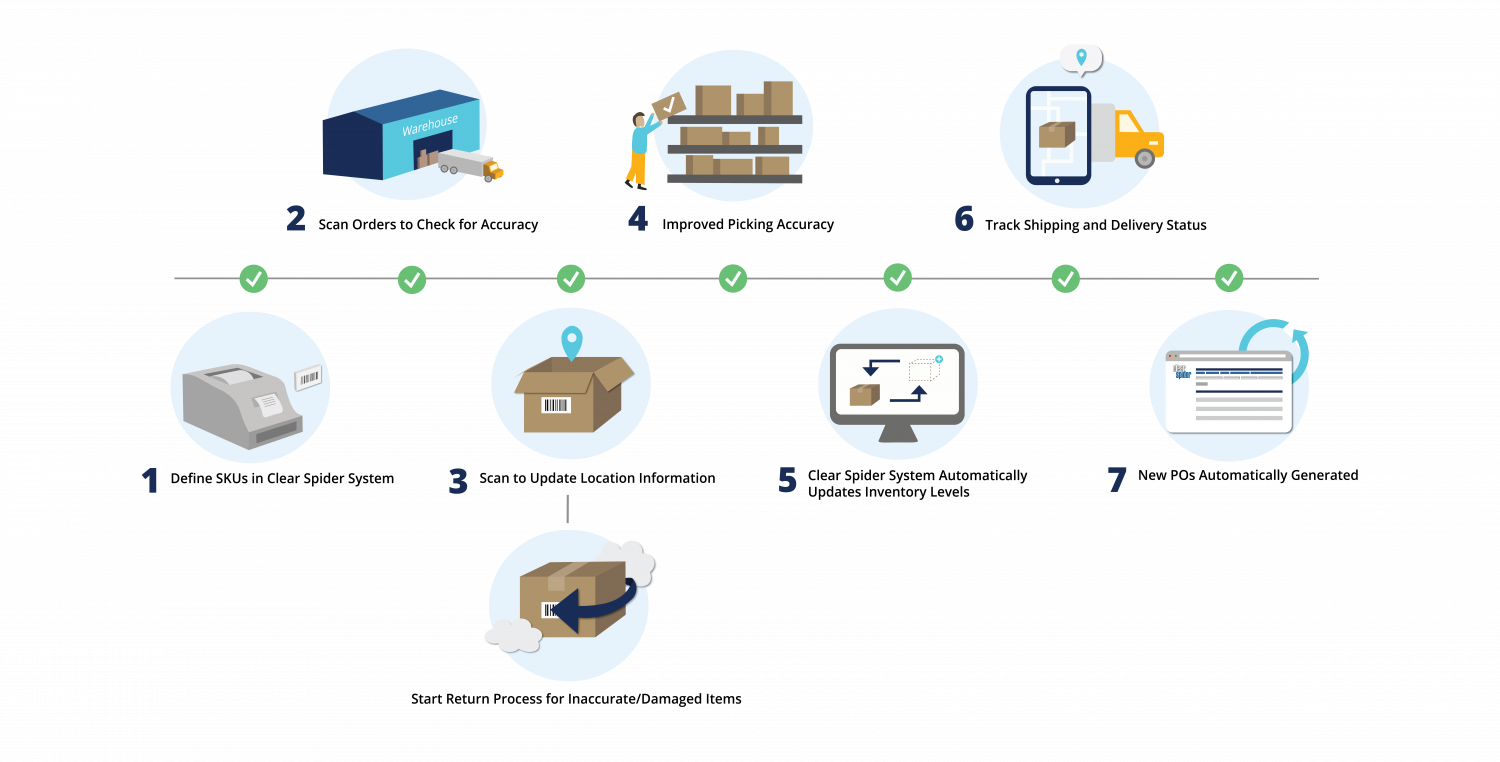
SkuVault Core solves the core problems of inaccurate counts and inefficient picking. It acts as the central nervous system for your physical inventory. In our experience, its intelligence advantage lies in creating a perfect, real-time dataset that eliminates overselling and reduces picking errors by up to 95%.
The system provides a dual experience perfected for two user groups. The planner's dashboard is a strategic hub for analysis and management. The operator's scanner interface is designed for simple, error-proof execution on the warehouse floor.
For businesses looking to explore more options, our comprehensive The Best 10 AI for Warehouse & Inventory Management (2025) guide provides detailed comparisons with other leading platforms in this space.
Initial Setup: Configuring Your Warehouse and Users for Success
The initial setup is the bedrock of your entire system. Accuracy here prevents costly problems later. Think of it as pouring the foundation for a skyscraper; it must be perfect.
Procedure: Creating Warehouses and Defining Bin Locations
First, you must create a digital twin of your physical space. Navigate to Admin > Warehouses to create a warehouse and define its storage locations. Using an Aisle-Bay-Shelf format like A01-B02-S03 is a common best practice aligned with GS1 standards for warehouse organization.
Our professional tip is to use “dynamic locations” for flexibility. This avoids assigning a permanent, fixed location for each SKU, which can improve storage density and support advanced slotting optimization strategies.
Procedure: Importing Your Product Catalog via CSV
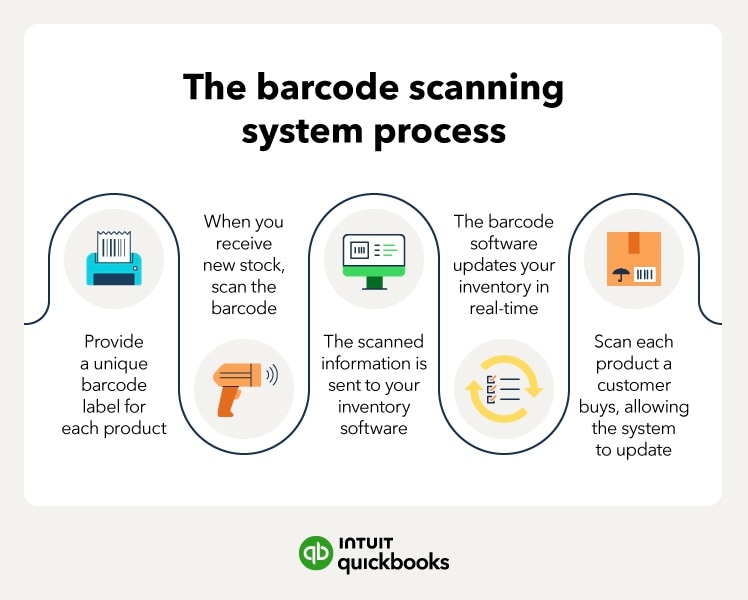
Next, upload your product catalog using a CSV import. A common mistake is not cleaning this data first. Verify every sellable unit has a unique SKU and a GS1-compliant scannable barcode before you upload. This ensures compatibility with industry-standard scanning hardware like Zebra TC52 or Honeywell CK65 mobile computers.
Procedure: Setting Up User Roles and Permissions (Planner vs. Operator)
Security starts with controlling who can do what. Set up user accounts and assign roles like Picker, Receiver, or Manager to enforce granular, role-based access controls. A picker should never be able to access financial data or delete products. This security architecture is essential for maintaining data integrity and supporting compliance with SOC 2 Type II requirements.
Foundational Workflow 1: Receiving Inventory Against a Purchase Order (PO)
This workflow is your first line of defense for inventory accuracy. It makes stock available for sale the moment it hits the shelf.
Business Context: Why Accurate Receiving is the First Step to Profitability
Inaccurate receiving is a direct path to lost money. Receiving the wrong quantity will either cause you to oversell and disappoint customers or leave you with dead stock occupying valuable shelf space. A perfect receiving process is the first step in a profitable fulfillment operation.
Step-by-Step Guide: From PO Creation to Scanner-Based Receiving
The process is straightforward and scanner-driven to reduce human error. An operator selects the Receiving function on a mobile scanner and scans the PO number. They then scan the barcode of each item, and SkuVault validates it against the open PO. The inventory quantity is instantly updated across all integrated sales channels (Shopify, Amazon, BigCommerce).
Foundational Workflow 2: Basic Order Fulfillment
This is where speed and accuracy turn into happy customers. SkuVault optimizes this process to make it fast and nearly error-proof.
Use Case: Implementing a Scan-to-Verify Quality Control (QC) Process
A mandatory QC scan at the packing station is a powerful tool. An order cannot be shipped until every single item has been scanned and verified against the order details. This simple step can push order accuracy above 99%, directly improving your On-Time In-Full (OTIF) delivery metrics.
Step-by-Step Guide: Picking and Packing a Single Order
Orders sync automatically from connected channels like Shopify and Amazon. In the dashboard, you can create a “Batch Pick” to group multiple orders. On the scanner, the operator is guided through the warehouse on an efficient path to pick items.
SkuVault streamlines picking by sorting picklists by location code, guiding workers on a sequential path through the warehouse. This feature, often part of wave or batch picking, significantly reduces travel time compared to disorganized picking, improving overall warehouse throughput.
Module 2: Intermediate – Optimizing Operations & Integrating Your Ecosystem
This module shifts to a use-case-driven format. We teach features by walking through common business problems. The goal is to build an integrated fulfillment ecosystem with automated order flow.
Integrating the Core Business Ecosystem: ERP, Sales Channels, and Shipping
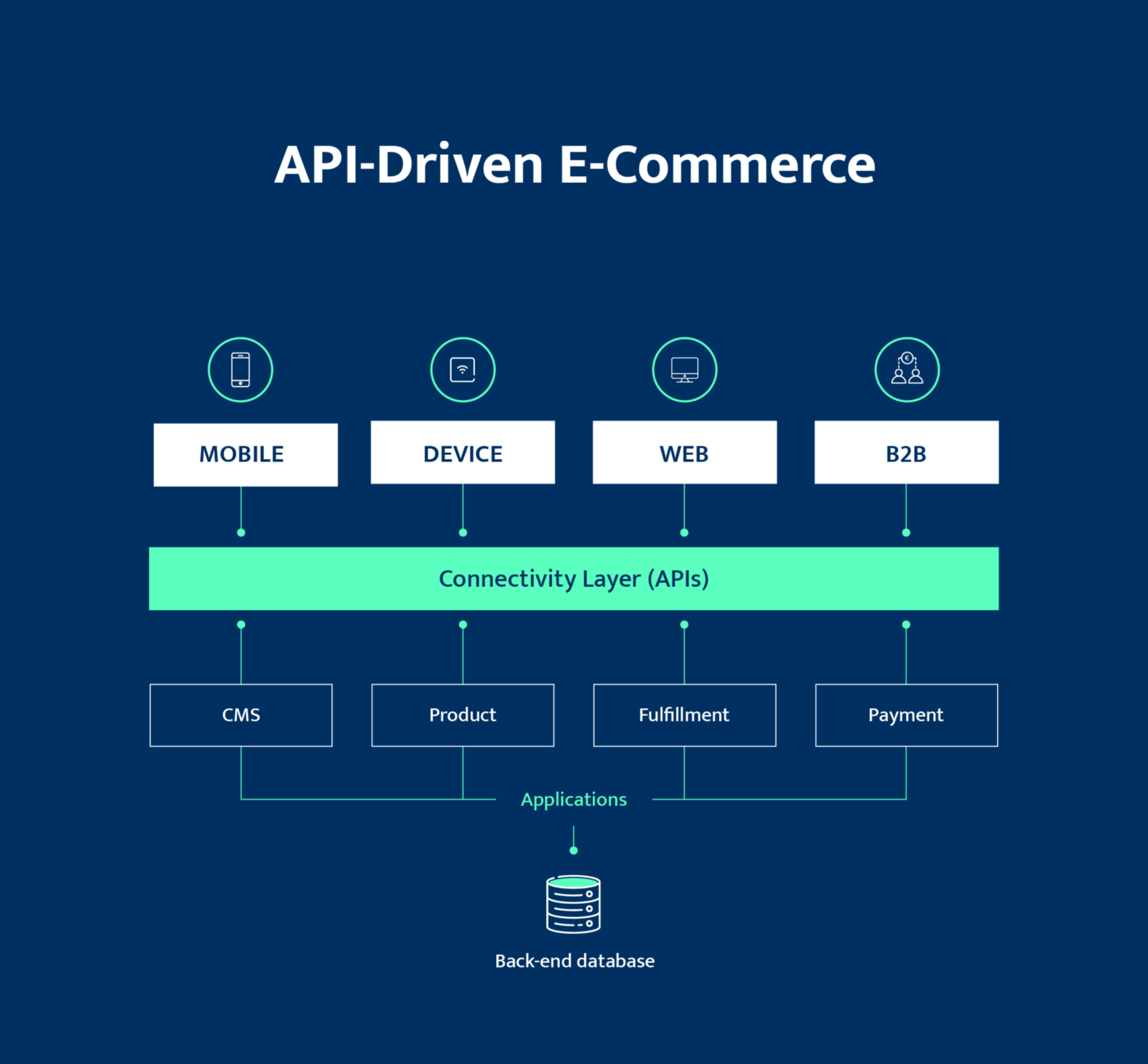
SkuVault acts as the hub connecting your most important software. This creates a seamless flow of data from sale to shipment.
Implementation Guide: Connecting Shopify and Amazon for Real-Time Sync
Connecting sales channels happens in the Integrations tab. The process involves API key authentication and initial SKU mapping. Once connected, orders flow in and inventory levels sync out in near real-time, supporting both Direct-to-Consumer (DTC) and B2B wholesale fulfillment models.
For businesses evaluating different solutions, our detailed SkuVault Core Review provides comprehensive insights into the platform's strengths and considerations for implementation.
Workflow Integration: Creating a Seamless Pick, QC, and Ship Process with ShipStation
Integrating with shipping software like ShipStation, Shippo, or EasyPost creates a perfect “pick, QC, print label” workflow. After the final QC scan is complete at the packing station, the shipping label can be printed automatically. This removes manual steps and accelerates fulfillment.
Critical Warning: Your Data Pipelines Are Your Business's Lifelines
Let's be perfectly clear: your integrations are not mere data pipelines; they are the digital arteries of your operation. A single failed API token doesn't just “halt order flow”—it triggers a cascading failure that blinds your entire ecosystem, leading to overselling, broken customer promises, and catastrophic financial loss.
Monitoring your integration health daily is not a best practice; it is a non-negotiable operational mandate. We recommend monitoring the integration health dashboard daily and establishing uptime SLA expectations with your software providers. Treat a red status indicator with the same urgency as a fire alarm. For mission-critical operations, consider implementing automated monitoring scripts that alert your team immediately when sync failures occur.
Advanced Inventory Control Techniques
These features allow you to manage more complex inventory scenarios. They help with promotions and maintaining accuracy over time.
Use Case: Kitting & Bundling for Promotions and Gift Sets
SkuVault's “Kitting” feature allows you to sell product bundles. For example, you can create a “Bundle” kit to sell a “Gardening Starter Kit” as a single SKU. SkuVault will automatically decrement the stock for the individual components like gloves, a spade, and seeds when the bundle is sold.
This capability supports seasonal promotions, gift set creation, and Just-in-Time (JIT) assembly workflows common in lean manufacturing environments.
Procedure: Implementing a Data-Driven Cycle Counting Program
Regular cycle counting is necessary for maintaining inventory accuracy. Use the mobile app for “blind counts,” where the operator does not see the expected quantity. Our advice is to start by counting your highest-value (A-class) items more frequently using an ABC analysis approach based on sales velocity and inventory value.
This data-driven strategy, aligned with inventory turnover optimization principles, focuses your most valuable labor on your most critical inventory.
Leveraging Reports for Actionable Insights
Data is only useful when it drives better decisions. SkuVault reports provide the insights needed to optimize purchasing and operations.
Analysis: Using the Sales by SKU Report to Inform Purchasing Decisions
The Sales by SKU report shows you what is selling and how fast. You can analyze this data to identify your fastest-moving items. This information helps you make smarter purchasing decisions and avoid tying up cash in slow-moving inventory, directly improving your cash conversion cycle.
For organizations considering different platform options, exploring SkuVault Core Top Alternatives and Competitors can provide valuable context for strategic decision-making.
Module 3: Advanced – Automation, Multi-Warehouse, and API-First Workflows
This module is for power users and developers. It focuses on technical procedures and requires developer or data analyst resources to execute. All API scripts and automation rules must be tested in a sandbox environment to mitigate the risk of making automated changes to inventory data.
Before proceeding with Module 3 implementations, we strongly recommend that you engage with a qualified solutions architect or development partner. These advanced workflows carry significant operational risk and require professional expertise to implement safely and effectively.
Technical Deep Dive: ABC Velocity-Based Dynamic Cycle Counting
This data-driven approach focuses your most valuable labor on your most valuable inventory. It improves accuracy where it matters most.
Resource Requirements: BI Tools, API Access, and Analyst Skills
To execute this strategy, you need the right personnel and tools. There are three non-negotiable requirements:
- API Access: Unrestricted access to the SkuVault API for data extraction.
- Intelligence Tools: A BI platform (like Power BI, Tableau, or Looker) or advanced spreadsheet software to analyze the data.
- Human Intelligence (HUMINT): A skilled analyst who can translate raw sales data into the A-B-C velocity classifications that will drive your counting strategy.
Step-by-Step Procedure: From API Data Export to Automated Count Generation
First, use the API to export the last 90 days of sales data. Next, in your BI tool, classify SKUs into A, B, and C classes based on sales volume and inventory value. Then, use the API again to bulk-tag all SKUs with their class. Finally, you can create scheduled cycle counts filtered by these tags, counting A-items weekly, B-items monthly, and C-items quarterly.
This approach optimizes labor allocation and maintains the highest accuracy for items with the greatest financial impact on inventory holding costs and potential stockout losses.
Implementing Advanced Fulfillment Workflows
These workflows handle complex, made-to-order products and sophisticated distribution logic. They represent a higher level of operational maturity.
Use Case: “Just-in-Time” (JIT) Assembly Kitting for Custom Products
JIT kitting lets you sell complex, made-to-order kits without pre-assembling inventory. When an order is received, a picker moves the raw components to an assembly station. After assembly, the technician performs transactions in SkuVault to “consume” the components and “create” the final kit, making it ready for fulfillment.
This workflow supports lean manufacturing principles by reducing work-in-progress inventory and improving production flexibility.
Implementation Guide: Setting Up Automation Rules for Multi-Warehouse Fulfillment
SkuVault's automation rules can route orders based on specific criteria. For example, you can create a rule that routes any international order to a specific warehouse optimized for global shipping. You can also create a rule to put any order over $1,000 “On Hold” for a manager's review, supporting enhanced quality control for high-value shipments.
These rules enable sophisticated multi-warehouse orchestration strategies for businesses operating Third-Party Logistics (3PL) facilities or multiple distribution centers.
Challenge & Solution: Managing API Race Conditions and Mismatched Inventory
When building custom integrations, “race conditions” can occur. This is when multiple processes try to update inventory at the same time, leading to errors.
Risk Mitigation Strategy: Daily Reconciliation Scripts and Centralized Logging
To manage this risk, implement daily reconciliation scripts. These scripts should query inventory levels from both SkuVault and your other systems via their APIs. Any discrepancies should be flagged for manual review, providing an essential daily health check of your data integrity.
Establish centralized logging using tools like Datadog, Splunk, or CloudWatch to monitor all API interactions. This provides the audit trail necessary for troubleshooting integration issues and maintaining data governance standards.
Module 4: Expert Level – The Headless, API-Driven Ecosystem
This module is for CTOs and operations leaders aiming for maximum control and scalability. It requires senior development expertise to implement. A headless architecture is like building a custom race car; it's powerful, complex, and carries significant risk when not engineered correctly.
Before proceeding with Module 4 implementations, we strongly recommend that you engage with a qualified solutions architect or development partner. This is not the arena for trial and error; this is where you build the core infrastructure for your company's future.
The “Source of Truth” Philosophy: Integrating SkuVault with Your ERP
In a modern tech stack, different systems own different data. Your ERP, like NetSuite or SAP, is the financial source of truth for costs, purchase orders, and vendor payments. SkuVault Core is the physical inventory source of truth for real-time quantity and location.
Architectural Framework: Defining Financial vs. Physical Data Flows
The workflow must be clearly defined to maintain data integrity across systems. Purchase orders are created in the ERP and pushed to SkuVault via API. Receiving happens in SkuVault, which triggers a webhook to update the ERP, initiating the vendor payment process. This design maintains perfect synchronization between physical and financial records, supporting accurate landed cost calculations and financial reporting.
This architectural pattern is essential for businesses requiring ISO 27001 compliance or supporting complex financial audits.
Technical Workflow: Headless Commerce Real-Time Inventory Reservation
This advanced workflow prevents overselling during high-traffic events like flash sales. It reserves stock before the order is created in the commerce platform.
Implementation Approach: Using Middleware to Prevent Overselling During Flash Sales
When a customer clicks “Buy” on a headless storefront, a webhook fires to a middleware service (AWS Lambda, Google Cloud Functions, or Azure Functions). The middleware makes an immediate API call to SkuVault to reserve the items. Stock is reserved before payment is processed, the order is stopped, preventing customer disappointment and maintaining brand reputation.
This pattern requires implementing OAuth 2.0 or secure API key management, proper error handling, and comprehensive logging to maintain system security and reliability.
ROI Calculation: The Business Case for a Resilient, API-First Sales Process
The return on investment is clear. This process makes your sales channel completely resilient, able to handle massive traffic spikes without overselling. It protects both your revenue and your brand reputation during your most important sales events.
Businesses can use SkuVault's official ROI calculator to estimate potential savings based on their specific operational metrics, including improvements in inventory accuracy, labor efficiency, and error reduction. The actual ROI timeline varies significantly between businesses based on order volume, warehouse complexity, and implementation quality.
Mission-Critical Infrastructure: Security, Uptime, and Compliance
Before going live, it's essential to validate that SkuVault's infrastructure meets your business's risk tolerance. In our professional assessment, these are the key areas to verify:
Service Level Agreement (SLA): SkuVault is a cloud-native platform. You must confirm their financially-backed uptime SLA, which should be at least 99.9%. For mission-critical operations, we advise implementing a redundant internet connection (cellular failover or secondary ISP) in your warehouse, as a local outage will halt operations.
Security & Data Governance: The platform maintains a SOC 2 Type II attestation managed by Linnworks, which audits their security controls over time. Additionally, confirm that all data is protected with AES-256 encryption both in-transit and at-rest. For API usage, ensure keys are stored in a secure vault (AWS Secrets Manager, Azure Key Vault, HashiCorp Vault), not in plaintext code.
Disaster Recovery (DRP): Verify their disaster recovery plan, including their Recovery Time Objective (RTO) and Recovery Point Objective (RPO), to understand how quickly the service would be restored in a catastrophic failure.
Competitive Context: SkuVault Core vs. Alternative WMS Solutions
This is a critical strategic question. Our analysis positions SkuVault Core as a best-of-breed, API-first WMS designed for high-volume e-commerce and DTC brands. Here's the professional breakdown:
vs. All-in-One Systems (e.g., Fishbowl, Cin7, Logiwa WMS): SkuVault focuses purely on being the absolute source of truth for physical inventory execution. While competitors bundle manufacturing or POS features, SkuVault's strength is its deep, specialized feature set for pick/pack/ship optimization and its robust, developer-friendly API. It is designed to do one thing perfectly and integrate with other best-of-breed tools.
vs. Native ERP WMS (e.g., NetSuite WMS, SAP Extended Warehouse Management): An ERP's native WMS module is often designed for financial compliance and broad functionality. SkuVault, in contrast, is built for operational speed and floor-level usability. The scanner UI is typically faster and more intuitive for warehouse operators, and its real-time sync with e-commerce channels (Shopify, Amazon, WooCommerce) is often more resilient under high load than a less specialized ERP module. The common architectural pattern we recommend is using the ERP for financial and purchasing truth and SkuVault for physical inventory truth.
Technology Evolution Notice: The information about SkuVault Core Tutorials and Usecase and AI for Operations & Supply Chain tools presented in this article reflects our thorough analysis as of 2025. Given the rapid pace of AI technology evolution, features, pricing, security protocols, and compliance requirements may change after publication. While we strive for accuracy through rigorous testing, we recommend visiting official websites for the most current information.
Professional Consultation Recommendation: For AI for Operations & Supply Chain applications with significant professional, financial, or compliance implications, we recommend consulting with qualified professionals who can assess your specific requirements and risk tolerance. This overview is designed to provide comprehensive understanding rather than replace professional advice, particularly for the advanced implementations described in Modules 3 and 4.
Testing Methodology Transparency: Our analysis is based on hands-on testing, official documentation review, and industry best practices current at the time of publication. Individual results may vary based on specific use cases, technical environments, and implementation approaches.
Frequently Asked Questions About SkuVault Core Tutorials and Usecase
How does SkuVault's “AI” improve warehouse management?
SkuVault's intelligence lies in enforcing data accuracy and optimizing physical processes. The system uses prescriptive and optimization algorithms to create intelligent workflows. Its primary advantage is creating a pristine, real-time dataset that powers efficient operations.
The platform streamlines picking by sorting picklists by location code, guiding workers on sequential paths through the warehouse. This reduces travel time and increases warehouse throughput. By analyzing sales velocity data through ABC analysis, managers can strategically implement slotting optimization, placing high-volume items in easily accessible locations.
The system's core function is guaranteeing data integrity. This high-fidelity inventory data becomes the essential input for external AI/ML forecasting tools that predict future demand, optimize safety stock levels, and prevent stockouts, thereby improving the company's cash conversion cycle.
What is the single biggest mistake new SkuVault users make?
The most common mistake is poor data preparation. This includes inconsistent SKUs, non-scannable barcodes, or an inaccurate initial count. We strongly recommend a full “data cleansing” project before going live, including a physical inventory audit and ensuring every sellable item has a unique, GS1-compliant scannable barcode.
This foundational data is the language SkuVault speaks. Errors here will lead to receiving mistakes, picking errors, and sync failures with sales channels, undermining the entire system's effectiveness.
How does SkuVault Core compare to a full ERP system?
SkuVault Core is a specialized Warehouse Management System (WMS), not an Enterprise Resource Planning (ERP) system. An ERP handles the entire business, including accounting, financial planning, and CRM. SkuVault focuses exclusively on managing physical inventory with extreme accuracy and is designed to integrate deeply with an ERP like NetSuite or SAP.
The ERP handles financial transactions and purchase order creation, while SkuVault handles the physical receiving, storing, picking, and shipping of goods. This separation of concerns creates a robust architecture where each system serves as the authoritative source for its domain.
For those seeking common answers to implementation questions, our comprehensive SkuVault Core FAQs resource addresses the most frequently encountered challenges and considerations.
What is the typical ROI for implementing SkuVault Core?
The ROI is measured in three areas. First is labor efficiency, with businesses often seeing a 30-50% reduction in picking time through optimized workflows and batch picking. Second is inventory accuracy, which eliminates lost sales from stockouts and reduces carrying costs, often providing a 2-5% revenue uplift. Third is error reduction, where achieving >99% order accuracy eliminates costs from returns and shipping corrections.
Businesses can use SkuVault's official ROI calculator to estimate a timeline based on their unique operational metrics. The actual ROI varies significantly based on order volume, warehouse complexity, current error rates, and implementation quality. Case studies showcase benefits, but outcomes are specific to each company's circumstances.
Can SkuVault manage inventory for manufacturing or assembly?
Yes, through its “Kitting” and “Assembled Products” features. The “Just-in-Time Assembly Kitting” workflow in Module 3 is a perfect example. In this process, SkuVault transactions are used to “consume” raw components and “create” a finished good, ensuring inventory levels for both are always correct.
This provides the inventory accuracy needed for a Manufacturing Execution System (MES) to function properly and supports lean manufacturing principles by enabling flexible, on-demand assembly without maintaining large quantities of pre-assembled inventory.
What are the key security features I should implement immediately?
Your top priority is configuring role-based user permissions. Limit each user's access to only the functions they absolutely need to perform their job. A temporary warehouse picker should never have access to financial reports or the ability to delete products.
Second, store your API keys securely in a secret manager (AWS Secrets Manager, Azure Key Vault, or HashiCorp Vault) and consider IP whitelisting for API access. Finally, regularly review the audit logs to monitor for unusual activity, such as large inventory removals outside of normal sales orders. These practices support SOC 2 Type II compliance requirements and protect your operational data integrity.
What happens if my internet connection goes down in the warehouse?
SkuVault is a cloud-based system and requires an active internet connection for real-time operations. All scanner activity will stop if your primary internet fails. For mission-critical operations, it is imperative to have a redundant internet connection, such as a cellular (4G/5G) backup failover system.
This ensures that even if your primary ISP has an outage, your warehouse operations can continue uninterrupted. This is a critical point for any business where shipping downtime translates directly to lost revenue and damaged customer relationships.
How much technical skill is needed to implement the advanced API workflows?
The advanced workflows in Modules 3 and 4 require a professional developer or a technically skilled operations analyst. You will need a solid understanding of REST APIs, data formats like JSON, and potentially a scripting language like Python or JavaScript.
For the headless commerce use case, you will need an experienced software architect who understands event-driven architectures, webhook security, and error handling patterns. While SkuVault's core functions are user-friendly, leveraging its full power as an API-first platform requires dedicated technical resources or partnership with a development agency.
Conclusion: From Mastering a Tool to Building an Apparatus
We have journeyed from the foundational workflows of a digital warehouse to the architectural design of a headless, API-driven ecosystem. The simple truth is this: mastering SkuVault Core was never about learning software. It was about forging an intelligent apparatus—a resilient, data-driven engine built to thrive in the permanent storm of modern commerce.
You now have the frameworks to move from passive visibility to decisive action. You can eliminate errors, supercharge efficiency, and build a fulfillment operation that is not a cost center, but a competitive weapon. The inflection point is here. The tradecraft is in your hands. Your one job now is to press the advantage.
Ready to take the next step in your SkuVault journey? Explore our comprehensive SkuVault Core Tutorials and Usecase collection for deeper implementation strategies and advanced optimization techniques.

Leave a Reply