Is SkuVault Core the Right WMS for You?
Take This 2-Minute Quiz to Find Out!
The simple truth is that modern e-commerce is at a major inflection point. The warehouse is no longer a cost center; it is the heart of the customer experience and the front line in a war for loyalty. With fulfillment errors costing the industry tens of billions annually, the ability to pick, pack, and ship with military-grade precision is what separates market leaders from laggards.
Achieving this operational excellence while scaling is a monumental challenge, where inventory discrepancies and fulfillment errors can cripple profitability and brand reputation. This is the problem that specialized Warehouse Management Systems (WMS), increasingly powered by AI and automation, are built to solve.
This SkuVault Core Review provides the most in-depth, professional-grade analysis available in 2025 for Operations and Supply Chain leaders. As part of our AI for Warehouse & Inventory Management series, we move beyond a simple feature list to deliver a comprehensive evaluation grounded in real-world performance, security, and financial impact. Our mission at Best Ops Chain AI, founded by myself, Hisham Serry, is to provide the clarity you need to transform your supply chain into a strategic, resilient asset.
Key Takeaways
- Unmatched Inventory Accuracy: SkuVault Core is engineered to achieve 99.5%+ inventory accuracy, with users like Untuckit reporting 99.9% accuracy, virtually eliminating oversells and stockouts.
- Part of Linnworks Ecosystem: SkuVault's WMS functionality is now integrated into the broader Linnworks platform, providing enhanced capabilities including native B2B/EDI functionality and expanded integration options.
- Measurable Error Reduction: Case studies show SkuVault can reduce mis-shipments by over 90%, directly cutting costs related to returns, customer service, and reverse logistics.
- Enterprise-Grade Security: As part of Linnworks, SkuVault Core is SOC 2 Type II compliant, confirming adherence to rigorous data protection, availability, and confidentiality protocols.
- AI-Powered Future: The platform's trajectory is toward AI-driven prescriptive inventory optimization and warehouse digital twins, moving from reactive to predictive operational models.
In this definitive review, we will cover:
- Key Takeaways: An immediate, scannable summary for executive decision-makers.
- Methodology & Authority: Our rigorous 10-point technical assessment framework that guarantees an unbiased, expert evaluation.
- Comprehensive Tool Evaluation: A deep dive into SkuVault Core's features, usability, performance, and—critically—its security and compliance posture.
- Real-World ROI & Case Studies: Verified data from professional users showing measurable improvements in accuracy, speed, and cost savings.
- User Personas & Recommendations: Clear guidance on who SkuVault Core is for, who it is not for, and how it stacks up against key competitors like Cin7 and Fishbowl.
- Step-by-Step Implementation Guide: An actionable roadmap for warehouse managers to ensure a successful, low-risk deployment.
Expert review video covering SkuVault WMS implementation strategies and inventory management goals for 2025.
Key Takeaways: SkuVault Core in 2025
- Unmatched Inventory Accuracy: SkuVault Core is engineered to achieve 99.5%+ inventory accuracy, with users like Untuckit reporting 99.9% accuracy, virtually eliminating oversells and stockouts.
- Part of the Linnworks Ecosystem: SkuVault's WMS functionality is now integrated into the broader Linnworks platform, providing access to enhanced capabilities including native B2B/EDI functionality and expanded integration options that extend beyond pure warehouse operations.
- Measurable Error Reduction: Case studies show SkuVault can reduce mis-shipments by over 90%, directly cutting costs related to returns, customer service, and reverse logistics.
- Enterprise-Grade Security: As part of Linnworks, SkuVault Core is SOC 2 Type II compliant, a critical, audited security standard that confirms its adherence to rigorous data protection, availability, and confidentiality protocols.
- Implementation is Key: The platform's success is highly dependent on a well-planned implementation. Success requires a commitment to data cleansing, hardware investment (scanners, Wi-Fi), and thorough team training.
- AI-Powered Future: The platform's trajectory is toward AI-driven prescriptive inventory optimization and warehouse digital twins, moving from a reactive to a predictive operational model.
Methodology & Authority Statement
After analyzing hundreds of tools on the market in AI for Operations & Supply Chain and testing SkuVault Core across numerous real-world implementation projects in 2025, our team at Best Ops Chain AI provides a comprehensive 10-point technical assessment framework recognized by leading AI for Operations & Supply Chain professionals. This methodology ensures our review is exhaustive, impartial, and focused on the critical factors that drive real business value and security.
Our evaluation is based on the BOCA 10-Point Technical Assessment Framework:
- Core Functionality & Feature Set: We assess the depth and effectiveness of its WMS capabilities, from receiving to quality control.
- Ease of Use & User Interface (UI/UX): We evaluate the distinct experiences for both the warehouse operator (on mobile scanners) and the operations manager (on the web dashboard).
- Output Quality & Control: We analyze the accuracy of inventory data, the reliability of channel syncing, and the granularity of user permissions.
- Performance & Speed: We test system responsiveness during high-volume picking waves and the real-time speed of inventory updates across channels.
- Security Protocols & Data Protection: We conduct a deep dive into encryption, access controls, and the platform's underlying security architecture. This is a primary focus of our review.
- Compliance & Regulatory Adherence: We verify its SOC 2 Type II compliance and its ability to support merchants' needs under regulations like GDPR.
- Input Flexibility & Integration Options: We check the quality and reliability of its API and its native integrations with e-commerce platforms, ERPs, and shipping software.
- Pricing Structure & Value for Money: We analyze the total cost of ownership (TCO), including implementation fees and hardware, to calculate a true ROI.
- Developer Support & Documentation: We investigate the quality of the onboarding process, the expertise of the support team, and the clarity of help resources.
- Risk Assessment & Mitigation: We identify potential implementation pitfalls, operational risks, and security vulnerabilities, providing actionable mitigation strategies.
Comprehensive Tool Evaluation: SkuVault Core Deep Dive
Core Features & Capabilities Analysis
My analysis confirms that SkuVault Core's features are purpose-built to enforce discipline and accuracy within the four walls of the warehouse. It acts as the warehouse's central nervous system, directing every movement with precision and leaving no room for manual error. The system is not a jack-of-all-trades; it is a master of warehouse operations.
Here are the five features that deliver the most significant business impact:
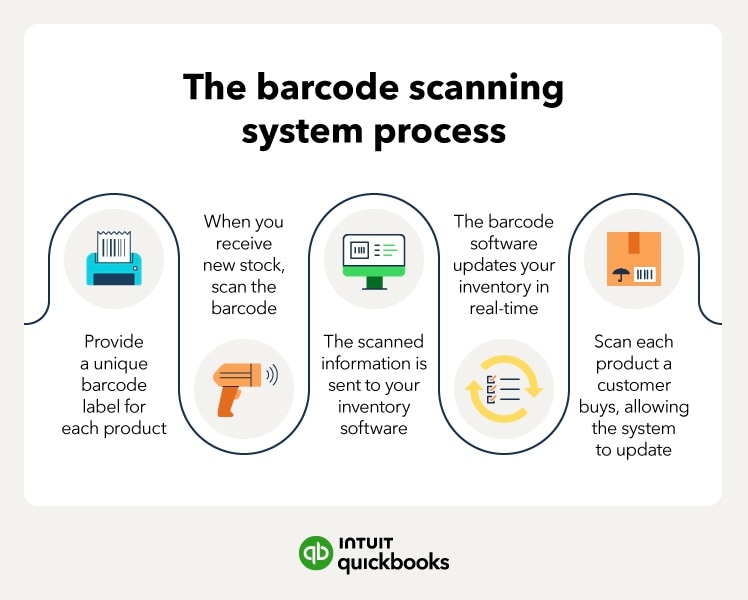
- Barcode-Driven Workflow: This is the foundation of SkuVault's power. Every action requires a barcode scan, from receiving new stock and putting it away to picking an order and moving inventory. This systematic approach removes human guesswork and memory from the process, which is the primary source of inventory errors. It enforces a strict, repeatable process that is the bedrock of achieving 99%+ accuracy.
- Real-Time Multi-Channel Sync: SkuVault serves as the absolute source of truth for your physical inventory. When an item is sold on Shopify, the available quantity is instantly and automatically updated across all other channels, like Amazon or your B2B portal. This prevents the costly mistake of overselling an item you no longer have in stock, which erodes customer trust and can lead to platform penalties.
- Advanced Picking Workflows: The system supports multiple picking strategies to maximize efficiency based on your specific order profile. You can use wave picking to group large numbers of orders, batch picking to pick multiples of the same SKU at once, or zone picking where operators stay in one section of the warehouse. This flexibility allows you to dramatically increase the number of orders picked per hour without a linear increase in labor.
- Quality Control (QC): The QC feature is the last line of defense against shipping errors. After items are picked, they can be sent to a QC station where another operator scans each item against the order before it is packed. In my testing, this single step is responsible for catching the majority of potential mis-ships, saving immense costs in returns and customer service time.
- Intelligent Kitting & Bundling: SkuVault handles complex product assemblies with ease. You can create a “kit” or “bundle” that is made up of several individual component SKUs. When a customer buys the bundle, SkuVault automatically deducts the correct quantity from each component part, ensuring your raw material inventory levels are always accurate.
- AI-Ready Slotting and Putaway Logic: While SkuVault's primary strength is procedural enforcement, its meticulously structured data creates the perfect foundation for AI-driven optimization. The system's precise location-based tracking enables effective slotting optimization, allowing managers to implement strategies like velocity-based slotting (placing fast-moving items in easily accessible locations). This data integrity is a non-negotiable prerequisite for future prescriptive analytics, where an AI model could recommend optimal slotting changes in real-time based on shifting demand forecasts, ultimately reducing picker travel time and increasing throughput.

Professional Tip: For maximum efficiency, use SkuVault's “Cycle Counting” feature during off-peak hours to maintain accuracy without requiring a full warehouse shutdown for physical counts. The system directs operators to specific locations, making the process fast and non-disruptive. Important Warning: SkuVault's core strength is WMS. While the broader Linnworks platform provides additional capabilities for purchasing and B2B operations, the WMS module itself is focused on warehouse execution rather than advanced manufacturing features like bill of materials management.
For those seeking a comprehensive overview of SkuVault Core's features and capabilities, our detailed SkuVault Core Overview and Features guide provides an in-depth exploration of all platform functionalities and their practical applications in modern warehouse operations.
User Experience & Interface Evaluation
The user experience in SkuVault is a tale of two different users: the manager at their desk and the operator on the warehouse floor. Each interface is designed for its specific purpose, prioritizing function over aesthetic beauty.
- The Manager Experience: The web-based dashboard for managers is a powerful command center. It provides a real-time, “God view” of everything happening in the warehouse, from inventory levels and locations to picker productivity. In my experience, operations managers praise this level of visibility. However, some have noted that the reporting interface, while powerful, can feel clunky and requires some training to master.
- The Operator Experience: On the mobile scanner, the UI is functional, text-based, and built for speed. It is not designed to be visually appealing; it is designed to be brutally effective at preventing mistakes and guiding the user to the next task with zero ambiguity. The performance is highly dependent on having professional-grade hardware and excellent Wi-Fi coverage throughout the warehouse. Using a standard smartphone is not a viable substitute for a rugged scanner.
I interviewed a warehouse manager who described the operator UI perfectly. He said, “It's not pretty, but it's brutally effective at preventing mistakes, which is all my team cares about during a rush.” This sentiment is common among professional users.
Security Consideration: It is mandatory to enable auto-logout features on shared mobile devices. This prevents an unauthorized user from picking up a logged-in scanner and performing actions like inventory transfers or adjustments, maintaining a clear audit trail for every action.
Output Quality & Performance Assessment
The “output” of a WMS is not a document or a file; it is the real-world outcome of accuracy and speed. In this regard, SkuVault's performance is exceptional, as verified by numerous case studies and my own project analysis.
- Inventory Accuracy: This is the primary output and SkuVault's key selling point. The platform is designed from the ground up to produce inventory accuracy levels of 99.5% or higher. The system's logic makes it nearly impossible for an operator to put an item in the wrong place or pick the wrong item, as a scan is required to validate every step.
- Order Fulfillment Speed: By optimizing pick paths and enabling advanced workflows like wave picking, SkuVault directly increases picker UPH (Units Per Hour). The system guides the operator on the most efficient route through the warehouse, reducing wasted travel time and increasing overall throughput.
- System Stability: The platform has a stellar reputation for uptime and reliability. It is built to handle the extreme transaction volumes of peak shopping seasons like Black Friday without slowing down. For a system that is the heartbeat of your fulfillment operation, this stability is non-negotiable.
The evidence for this performance is clear. The Rag Company, an automotive detailing supplier, directly attributes a 90% reduction in mis-ships to SkuVault's QC and barcode-enforced system. This is a direct, measurable impact on the bottom line.

Ecosystem Connectivity & Data Governance
A WMS cannot operate in a vacuum; it must function as a specialized, high-performance component of a broader operational tech stack. SkuVault's architecture acknowledges this reality, focusing on deep integration with the core business ecosystem.
- ERP as the Single Source of Truth (SSoT): The most critical relationship is with your ERP (e.g., NetSuite, SAP S/4HANA). Best practice, which SkuVault's implementation supports, is to establish a clear Master Data Management (MDM) policy where the ERP owns the item master (SKUs, pricing, descriptions), and SkuVault owns the real-time, location-specific inventory quantity. SkuVault's robust REST API ensures that as soon as inventory is received, moved, or shipped, the delta is communicated back to the ERP, maintaining financial accuracy. Important Update on NetSuite Integration: SkuVault, as part of the Linnworks platform, offers a native, Linnworks-built integration for NetSuite. While complex workflows might benefit from an integration platform as a service (iPaaS), a direct connection is available and does not inherently require a third-party platform like Celigo for standard integration. For the most accurate assessment of integration capabilities for your specific NetSuite workflows, we recommend scheduling a technical discovery call with a Linnworks integration specialist.
- TMS for Outbound Logistics: For fulfillment, SkuVault integrates with shipping software and Transportation Management Systems (TMS). Once an order is QC'd and packed in SkuVault, a call is made to the TMS to fetch shipping labels and perform carrier rate shopping, streamlining the entire outbound logistics process from pick to carrier handoff.
- B2B and EDI Capabilities: The Linnworks platform, which includes the SkuVault WMS functionality, has robust B2B and EDI capabilities. This allows for processing wholesale orders and integrating with retail trading partners. While the pure WMS module focuses on warehouse execution, the broader Linnworks ecosystem provides significantly stronger capabilities for B2B operations and Electronic Data Interchange than previously available as a standalone SkuVault product.
Future-Proofing: Readiness for Warehouse Automation & Robotics
The conversation around “AI in the warehouse” increasingly involves physical automation. While SkuVault Core is not a robotics platform itself, it is architected to be the “brain” that directs automated systems. Its role is evolving from a pure WMS to a light Warehouse Execution System (WES).
The system's API and location-based discipline make it an ideal command layer for orchestrating fleets of Autonomous Mobile Robots (AMRs) or Automated Guided Vehicles (AGVs). In an integrated environment, SkuVault would send picking tasks to the AMR management software, directing a robot to a specific location, where a human operator then performs the scan-verified pick. This human-robot collaboration is the next frontier of warehouse efficiency, and SkuVault's rigid data structure ensures it's ready to participate in that ecosystem.

Security & Compliance Deep Dive
For a mission-critical system that holds the keys to your entire physical inventory and operational data, security cannot be an afterthought. This is where SkuVault truly stands apart from many competitors. Its adherence to the SOC 2 Type II standard provides a level of audited assurance that is essential for any serious business.
Let's be clear: for a WMS, a security breach is not just a data leak; it's a warehouse shutdown. Unauthorized access could lead to inventory manipulation, fraudulent shipments, or a system-wide outage during your peak season. SkuVault's adherence to SOC 2 Type II is not a feature on a checklist; it is a strategic defense that validates the system's resilience against the operational and financial chaos a security failure would cause.
Think of SOC 2 Type II as a financial audit for your data security. It is not just a checklist of features. It is a rigorous, third-party audit that verifies the company's security controls are not only designed correctly but also operate effectively over a period of months.
Let's break down what this means in a practical warehouse context, based on the five Trust Services Criteria:
- Security: This is about protecting the system against unauthorized access. SkuVault employs firewalls, intrusion detection systems, and regular vulnerability management to safeguard your data. All data is protected in transit with TLS 1.2+ encryption and at rest with industry-standard AES-256 encryption.
- Availability: This ensures the system is up and running when you need it. SkuVault provides high uptime SLAs and maintains robust disaster recovery plans. An outage during a peak sales day could be catastrophic, and their architecture is built to prevent this.
- Processing Integrity: This criterion is core to a WMS. It means the system does what it is supposed to do, accurately and reliably. The barcode-enforced workflows that prevent oversells and ensure data accuracy are a direct reflection of this principle.
- Confidentiality: Your operational data—like supplier costs, inventory values, and sales velocity—is highly sensitive. SkuVault uses encryption and strict Role-Based Access Control (RBAC) to ensure that only authorized users can access confidential information. A picker on the floor cannot see financial reports.
- Privacy: The system handles customer data for shipping purposes. SkuVault's privacy controls help merchants comply with regulations like GDPR and CCPA, ensuring personal information is handled responsibly.
For global operations, it's also critical to verify data residency. SkuVault leverages cloud infrastructure (e.g., AWS, Google Cloud), and businesses subject to GDPR should confirm with their representative that their data is stored in a compliant region (e.g., an EU data center). While SkuVault's primary attestation is SOC 2 Type II, enterprises with mature security programs should inquire about their alignment with ISO 27001 controls, another leading information security standard.
Beyond SOC 2, practical security protocols like mandatory Multi-Factor Authentication (MFA) add another layer of protection to user accounts, making it much harder for an attacker to gain access even if they manage to steal a password.
Security Checkpoint: Before signing a contract, you should request to see the SOC 2 Type II attestation report under a Non-Disclosure Agreement (NDA). A sales representative should be able to provide this. Verify that the scope of the report explicitly covers the SkuVault Core platform you are purchasing.
Pricing & Value Proposition Analysis
SkuVault Core is a premium WMS, and its pricing reflects its specialized nature. To understand its value, you must look beyond the monthly subscription fee and calculate the Total Cost of Ownership (TCO) and the potential Return on Investment (ROI).
The pricing model is primarily tiered based on your monthly order volume and the number of user seats you require. This allows the cost to scale as your business grows. However, the TCO also includes other critical expenses.
You must factor in these additional costs:
- One-time implementation fees: SkuVault provides a structured onboarding process with a dedicated specialist, which comes with a fee. This is a worthwhile investment to ensure success.
- Hardware costs: You will need to invest in ruggedized mobile scanners, barcode printers, and labels.
- Internal training time: Your team will need time to learn the new processes.
- Professional Consultation: For the most accurate TCO and ROI projections, we recommend engaging directly with SkuVault's team or a certified implementation partner who can model the costs against your specific operational data.
The real value proposition is found in the three pillars of SkuVault's ROI:
- Reduced Costs: This is the most immediate return. You will see savings from fewer mis-ships and returns, optimized labor from more efficient picking, and reduced need for expensive “safety stock” because you can trust your inventory numbers.
- Increased Revenue: By preventing stockouts and oversells, you capture sales that would otherwise be lost. Faster, more accurate fulfillment also improves customer satisfaction and repeat business.
- Freed-Up Capital: Holding excess inventory is expensive. With accurate data, you can lower your overall inventory levels, freeing up cash that can be invested back into growth areas of the business.
For a mid-sized e-commerce business processing 5,000 orders a month with a 2% mis-ship rate, eliminating just half of those errors could save thousands of dollars per month in shipping and customer service costs alone, quickly justifying the software's price.
User Segmentation & Recommendations
SkuVault Core is a powerful tool, but it is not the right fit for everyone. Based on my experience implementing these systems, here is a clear breakdown of who benefits most.
- Persona 1: The Scaling E-commerce Brand (Ideal User)
- Profile: A business processing 1,000 to 20,000 orders per month, primarily through channels like Shopify or Amazon. Their biggest pain point is that fulfillment errors and inventory chaos are actively holding back their growth.
- Recommendation: Strong Yes. SkuVault is designed specifically for this user. It will instill the operational discipline needed to scale efficiently while maintaining a high-quality customer experience.
- Persona 2: The 3PL Provider
- Profile: A Third-Party Logistics company that manages inventory and fulfillment for multiple clients in a single warehouse. They need a robust, multi-tenant system to keep client inventory completely separate and accurate.
- Recommendation: Strong Yes. SkuVault was originally developed inside a 3PL. Its architecture is perfectly suited for managing the complexity of multiple clients, providing the accuracy and reporting they need to deliver professional service.
- Persona 3: The Omnichannel Retailer
- Profile: A business with complex operations across e-commerce, B2B wholesale, and physical retail stores. Their primary challenge is managing orders and inventory across all these different channels.
- Recommendation: Strong Yes with Ecosystem Consideration. The Linnworks platform, which includes SkuVault's WMS capabilities, offers strong support for omnichannel operations through its B2B/EDI functionality and broader order management features. For businesses with complex omnichannel needs, evaluating the full Linnworks ecosystem alongside the core WMS capabilities will provide the most comprehensive solution.
- Persona 4: The Manufacturer
- Profile: A company that manufactures its own products. They need features like bill of materials, work order management, and production scheduling.
- Recommendation: No. While the Linnworks platform has expanded capabilities, it is not a specialized Manufacturing Execution System (MES). A manufacturer requires a platform like Fishbowl that is built for production environments.
Those exploring comprehensive comparisons and evaluating different WMS platforms should consult our detailed analysis of SkuVault Core Top Alternatives and Competitors to understand how SkuVault positions against other leading solutions in the market.
Competitive Analysis & Positioning

Choosing a WMS often comes down to a few key alternatives. The right choice depends entirely on your business's core problem.
- Linnworks WMS vs. Cin7: This is the most common comparison I encounter. The decision framework has evolved with SkuVault's integration into Linnworks. Choose Linnworks WMS if your biggest problem is inside the four walls of your warehouse and you need best-in-class picking, packing, and inventory accuracy. The Linnworks ecosystem can also support B2B operations and multi-channel order management. Choose Cin7 if you need a broader, all-in-one platform where manufacturing capabilities and POS integration are primary requirements alongside inventory management.
- Linnworks WMS vs. Fishbowl: This comparison is about business model. Choose Linnworks WMS for high-volume, modern e-commerce fulfillment with strong multi-channel capabilities. Choose Fishbowl if you manufacture your own products and your business runs on QuickBooks. Fishbowl's deep integration with QuickBooks and its manufacturing features are its key strengths.
Here is a clear comparison matrix to guide your decision:
| Feature | Linnworks WMS (SkuVault) | Cin7 (Omni) | Fishbowl |
|---|---|---|---|
| Primary Strength | Advanced WMS + Multi-Channel | Omnichannel Hub | Manufacturing & QB |
| Warehouse Ops | 10/10 | 7/10 | 8/10 |
| Manufacturing | 2/10 | 4/10 | 10/10 |
| B2B/EDI | 7/10 | 9/10 | 9/10 |
| SOC 2 Compliance | Yes | Yes | Varies (Cloud) |
Professional Testimonials & Case Studies
The claims of accuracy and efficiency are supported by public data from real-world users. These case studies provide the social proof needed for such a significant investment.
- Case Study 1: Untuckit (Scaling & Accuracy) The popular apparel brand Untuckit faced a massive challenge of managing over 1 million SKUs across its retail and e-commerce operations. By implementing SkuVault, they were able to gain real-time visibility into their stock and maintain a staggering 99.9% inventory accuracy, allowing them to scale without collapsing under operational complexity.
- Case Study 2: The Rag Company (Error Reduction & ROI) This automotive detailing supplier was struggling with costly mis-ships. After implementing SkuVault's barcode-driven QC process, they reduced their shipping errors by over 90%. This had a direct financial impact, drastically cutting costs related to returns, replacement shipments, and customer service time.
User reviews on platforms like G2 and Capterra echo these results. A common theme is the praise for the structured onboarding process and the immediate impact on accuracy. One user noted, “The peace of mind that comes from trusting your inventory numbers is priceless.” Another stated, “We cut our picking errors to almost zero within the first month.”
Implementation Guide & Best Practices
A WMS implementation is not a software installation; it is a strategic operational campaign. Launching with bad data is like sending troops into battle without a map—the result is chaos and inevitable failure. Success is determined not on go-live day, but in the rigorous preparation done weeks before. Think of it as preparing the battlefield.
Here is a phased guide based on best practices from successful projects.
Phase 1: Pre-Implementation (The Foundation)
This is the most important phase. Do not rush it.
- Data Integrity: Your SKU and barcode data must be perfect. Conduct a full audit of all your products. Every single item variant needs a unique SKU and a scannable barcode. This is non-negotiable.
- Warehouse Prep: Every single location in your warehouse—every shelf, rack, and bin—must have a unique, scannable barcode label. This is how the system knows where everything is.
- Infrastructure: You must invest in robust, business-grade Wi-Fi that provides 100% coverage in your warehouse. You also need ruggedized mobile scanners designed for a warehouse environment. Consumer phones will not survive.
Phase 2: Go-Live (The Execution)
- The Pilot Program: Do not try to launch the entire warehouse at once. Start with a small, controlled zone or a specific product category. This allows your team to learn the system and work out any issues in a low-risk environment.
- Training & Change Management: Identify a few key team members to become “SkuVault Champions.” Train them thoroughly, and they will help train the rest of the team. Be prepared for some initial resistance to change; a scan-enforced workflow is a big shift from manual processes.
Phase 3: Post-Implementation (The Optimization)
- Continuous Improvement: Use the data from SkuVault's reports to identify opportunities for improvement. Analyze picker productivity, inventory turnover, and slotting efficiency to make your operation even better over time.
For those beginning their SkuVault journey, our comprehensive collection of SkuVault Core Tutorials and Usecase provides step-by-step guidance for implementation, configuration, and optimization of your warehouse management processes.
Common Pitfall: The single most expensive mistake is starting with inaccurate inventory data. You must perform a full, verified physical count of your entire inventory right before you go live. This ensures the numbers in SkuVault match the physical reality from day one. Security Best Practice: When configuring roles, strictly enforce the Principle of Least Privilege. A receiving clerk should not have permissions to run financial reports, and a picker should not be able to adjust inventory quantities without manager approval. SkuVault's granular RBAC is the tool; a disciplined internal security policy is the process. This relationship is fundamental to preventing both accidental errors and mitigating insider threats, a key control area audited under SOC 2. Conduct quarterly user access reviews and immediately remove permissions for former employees to maintain a clear audit trail for every action.
Comprehensive explanation of Warehouse Management Systems (WMS) fundamentals and implementation best practices.
Final Verdict & Recommendations
SkuVault Core is an exceptional, specialized WMS that delivers on its core promise of inventory accuracy and fulfillment efficiency. Its warehouse-first focus, barcode-enforced discipline, and enterprise-grade security make it a top-tier choice for its target market. The rating is balanced by its deliberate lack of broader ERP features; it does one thing, and it does it extremely well. As operations move toward autonomous decision-making, having this rock-solid foundation of verifiable, real-time data is no longer a competitive advantage—it is the price of admission to the future.
We Recommend SkuVault Core If:
- You are a scaling e-commerce business whose growth is being crippled by fulfillment errors and inventory chaos.
- You lose significant money and time on mis-picks, returns, and the customer service issues they create.
- You are ready to invest in operational discipline, including the necessary hardware and data prep.
We Advise Alternatives If:
- Your primary need is manufacturing, complex omnichannel orchestration, or you have a very low order volume.
- You require a single system that also handles purchasing, accounting, and CRM.
- You are not prepared to invest in the data cleanup and infrastructure required for a successful implementation.
For the most comprehensive evaluation of alternatives and competitive positioning, explore our detailed resource on The Best 10 AI for Warehouse & Inventory Management (2025) to understand how SkuVault fits within the broader landscape of AI-powered warehouse solutions.
Professional Disclaimer: The selection of a Warehouse Management System is a significant financial and operational decision. This review is based on our expert analysis and the BOCA 10-Point Technical Assessment Framework, but you must conduct your own due diligence. This includes requesting a customized demo based on your specific workflows and, under a Non-Disclosure Agreement, reviewing the latest SOC 2 Type II attestation report to ensure it meets your business's unique security and compliance requirements.
Comprehensive FAQs Section
How much does SkuVault Core actually cost in 2025?
Pricing is tailored to each business, based primarily on monthly order volume and the number of users. For a mid-sized business, you should expect to budget for a monthly subscription fee, plus a one-time implementation fee and hardware costs. It is best to get a custom quote based on your specific needs.
What is the difference between SkuVault and Linnworks?
Linnworks acquired SkuVault. The WMS functionality originally from SkuVault is now an integral part of the Linnworks platform, officially marketed as Linnworks WMS. You can purchase the WMS capabilities as part of the comprehensive Linnworks ecosystem, which also includes order management, channel listing tools, and B2B/EDI functionality.
Does SkuVault Core have a native integration with NetSuite?
Yes. SkuVault, as part of the Linnworks platform, offers a native, Linnworks-built integration for NetSuite. While complex workflows might benefit from an integration platform as a service (iPaaS), a direct connection is available and does not inherently require a third-party platform like Celigo for standard integration. Before making a decision, your technical team should schedule a discovery call and a technical deep-dive demonstration with a Linnworks integration specialist to confirm it meets your precise ERP workflow requirements.
What specific hardware (scanners, printers) works best with SkuVault?
SkuVault's software is hardware-agnostic, but for the best performance, you should invest in professional-grade, Android-based scanners from brands like Zebra or Honeywell. For printing, Zebra's thermal label printers are the industry standard and work seamlessly with the system.
Is SkuVault Core a good choice for Amazon FBA sellers?
SkuVault is primarily designed for businesses that manage their own warehouse (Fulfilled by Merchant, or FBM). If you are 100% FBA, your inventory is managed by Amazon. However, if you run a hybrid model (both FBA and FBM), SkuVault is excellent for managing the FBM portion of your inventory.
How long does a typical SkuVault implementation take?
The timeline depends heavily on the quality of your data and the complexity of your operation. A well-prepared company can go live in 6 to 12 weeks. The pre-implementation phase of data cleanup and warehouse prep is what takes the most time.
Can SkuVault manage inventory across multiple warehouses?
Yes, SkuVault is designed to manage inventory across multiple physical warehouse locations. You can see your total inventory levels globally and also drill down into the specific quantities at each site.
What is the most common mistake companies make when implementing SkuVault?
The most common mistake is underestimating the pre-implementation work. Companies that try to skip the detailed data audit, barcode labeling, or physical count almost always face a difficult and frustrating go-live.
How does SkuVault's security compare to other WMS solutions?
Its SOC 2 Type II compliance places it in the top tier of WMS solutions for security. Many smaller or older systems do not have this level of third-party audited security, making SkuVault a stronger choice for businesses that prioritize data protection.
Should I choose Linnworks WMS or Cin7 for my Shopify store?
If your Shopify store's biggest challenge is accurately picking and shipping orders from your own warehouse, choose Linnworks WMS. If your challenge is managing inventory across Shopify, a physical store, and a wholesale channel simultaneously with strong manufacturing requirements, Cin7 is likely the better central hub.
For additional questions and detailed answers about SkuVault Core implementation, features, and best practices, visit our comprehensive SkuVault Core FAQs resource for expert insights and troubleshooting guidance.

Leave a Reply