Which Microsoft Dynamics 365 SCM Feature Will Transform Your Supply Chain?
This 2-Minute Quiz Reveals Your Best Starting Point!
Microsoft Dynamics 365 Supply Chain Management represents the next generation of intelligent enterprise resource planning, combining advanced AI capabilities with comprehensive supply chain functionality. This comprehensive FAQ guide addresses the most critical questions about implementing and maximizing the value of this powerful platform for modern supply chain operations.
Key Takeaways
- AI-Powered Intelligence: Dynamics 365 SCM integrates advanced AI and machine learning for demand forecasting, inventory optimization, and predictive analytics
- Planning Optimization Advantage: Near-real-time master planning that operates in minutes rather than hours, enabling responsive supply chain management
- Enterprise-Grade Security: Built on Microsoft Azure infrastructure with comprehensive compliance certifications including SOC, ISO, and GDPR
- Measurable ROI Impact: Organizations typically see inventory cost reductions of 15-25% and improved OTIF delivery performance through AI-driven optimization
- Risk Mitigation Strategy: Implement human-in-the-loop workflows and establish clear guardrails to maximize AI benefits while maintaining operational control
This comprehensive video tutorial demonstrates the Planning Optimization capabilities that can transform your supply chain planning from hours to minutes, delivered by Microsoft's engineering team.
What are the core AI and machine learning features in Microsoft Dynamics 365 SCM?
Microsoft Dynamics 365 Supply Chain Management (SCM) integrates advanced AI and machine learning capabilities designed to transform traditional supply chains into intelligent, proactive systems. These features specifically target warehouse and inventory management challenges while enhancing overall operational resilience. For a comprehensive analysis of similar AI-powered solutions, explore our detailed review of the best 10 AI for warehouse & inventory management systems.
The platform's core AI-powered capabilities include:
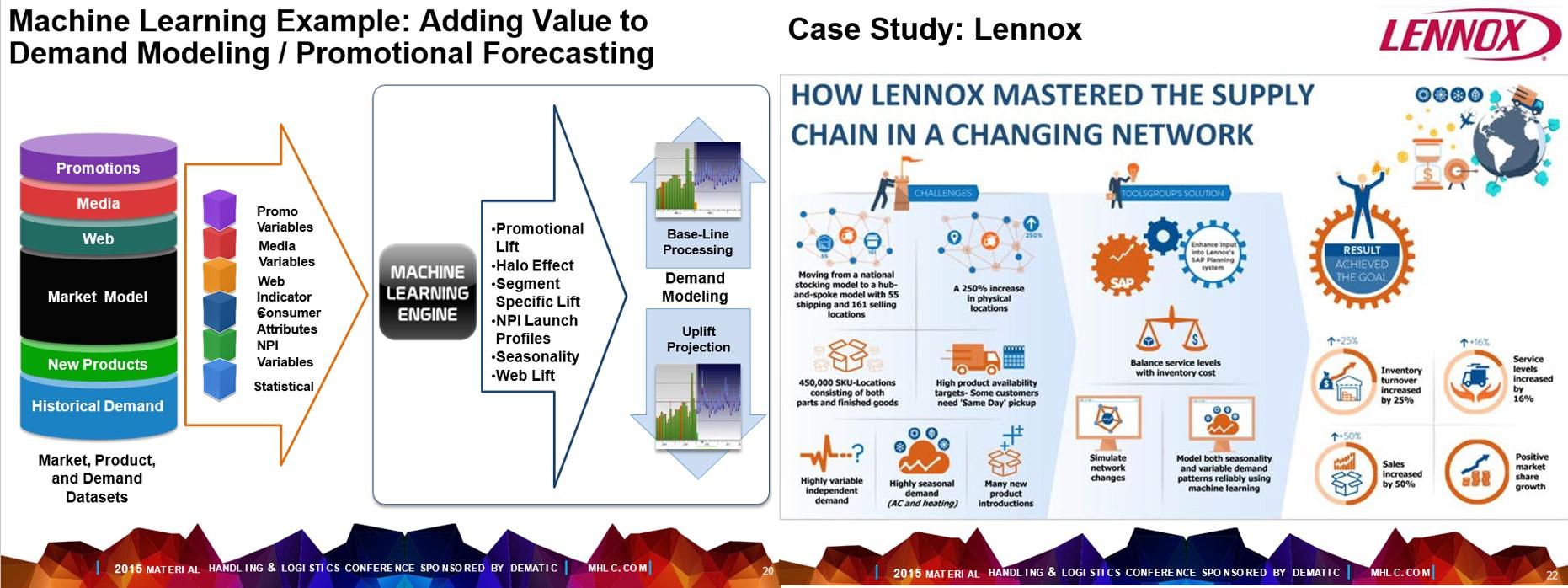
AI-Enhanced Demand Forecasting: This module leverages Azure Machine Learning to analyze historical sales patterns, seasonality, and external market signals. Unlike simple statistical methods, it identifies complex correlations in demand data to generate more accurate predictions. This directly addresses the “bullwhip effect”—where small demand fluctuations amplify throughout the supply chain—by providing stable, reliable forecasts that reduce excessive safety stock requirements.
Planning Optimization Add-in: This near-real-time master planning engine represents a fundamental advancement over traditional Material Requirements Planning (MRP). It processes massive datasets within minutes rather than hours, enabling planners to run multiple scenario simulations daily. This capability allows instant response to supply chain disruptions such as delayed shipments or sudden demand spikes, optimizing production and distribution plans while minimizing costs.
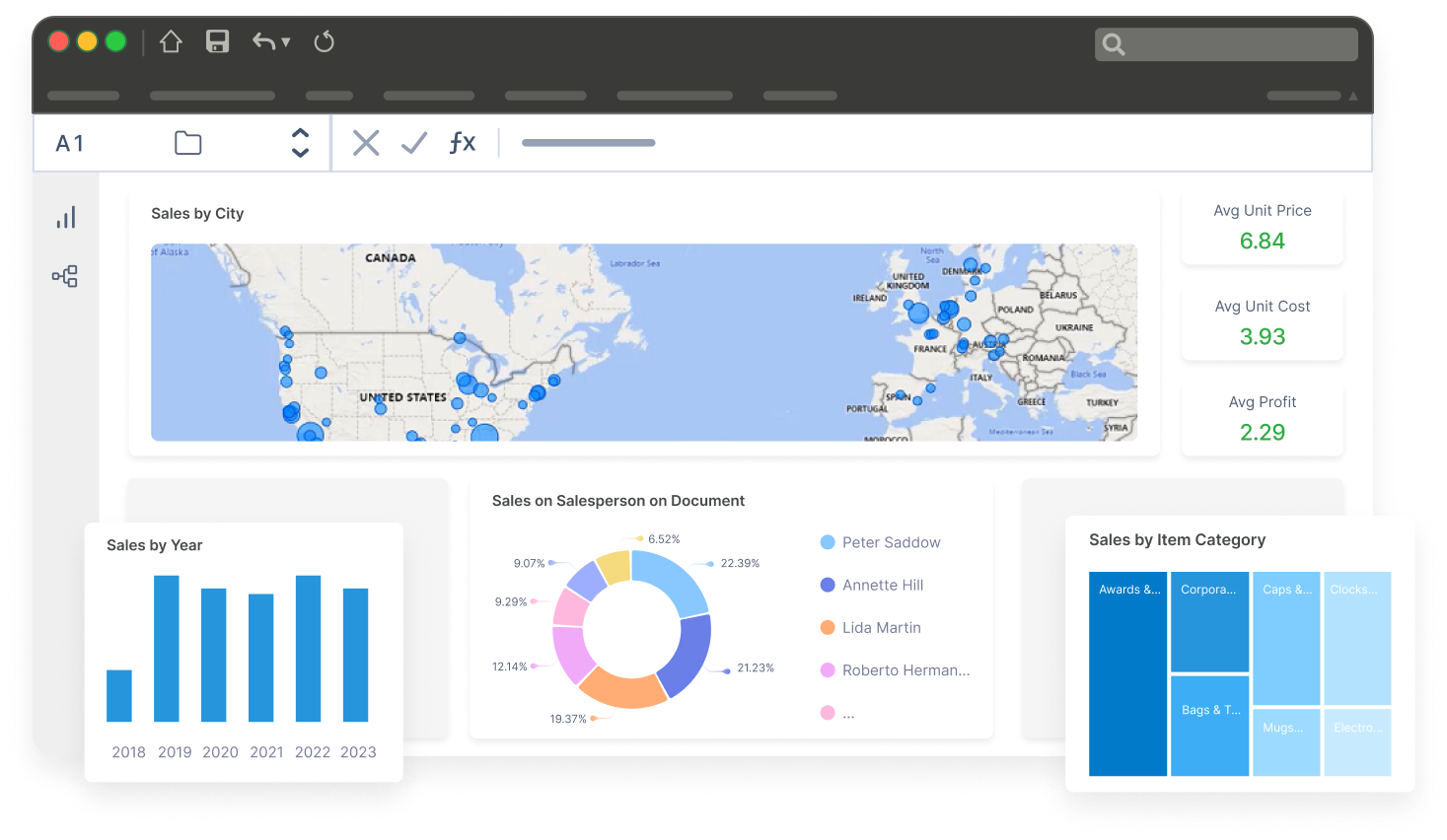
Inventory Insights: The AI analyzes inventory performance patterns to provide actionable recommendations. It identifies slow-moving or obsolete stock for potential markdowns, predicts stockout risks before they occur, and dynamically optimizes inventory parameters like reorder points and safety stock levels based on real-time demand and lead time fluctuations.
Warehouse and Transportation Intelligence: AI algorithms optimize warehouse operations through intelligent slotting recommendations that minimize picking time, optimize picking paths to reduce travel distance, and predict potential shipment delays in transportation operations.
These integrated capabilities collectively improve critical supply chain KPIs including On-Time In-Full (OTIF) delivery rates, inventory turnover velocity, and overall operational cost efficiency. To understand how D365 SCM compares with other enterprise solutions, review our comprehensive Microsoft Dynamics 365 SCM alternatives and competitors analysis.
What is the role of Copilot in Microsoft Dynamics 365 SCM and what specific tasks can it automate?
Copilot in Dynamics 365 SCM functions as an AI-powered assistant that utilizes large language models (LLMs) to enable supply chain professionals to access information and execute tasks through natural language interactions. Rather than navigating complex system menus, users can ask questions conversationally and receive context-aware insights directly within their workflow.

Copilot's primary value lies in accelerating decision velocity and eliminating time-consuming data gathering activities. Its specific capabilities include:
Procurement and Sourcing Assistance: Procurement managers can request summarized views of purchase orders, assess the business impact of accepting or rejecting supplier-proposed changes, and generate supplier communications based on system data. For example, Copilot can draft an inquiry email to a supplier regarding a delayed order, incorporating relevant order details automatically.
Inventory Management Support: Inventory planners can pose questions such as “Which products face stockout risk in the next two weeks?” The AI queries inventory levels, open sales orders, and demand forecasts to deliver a prioritized list, enabling proactive expediting or production adjustments before customer service suffers.
Master Planning Enhancement: Planners can use natural language to filter and interpret complex planning data. Asking Copilot to “Highlight all planned production orders for Product X with material shortages” instantly identifies critical bottlenecks that require immediate attention.
External Risk Intelligence: Copilot can integrate external news feeds and data sources to provide disruption context. Users might ask “Are there any news events impacting my suppliers in Southeast Asia?” to receive early warnings about geopolitical tensions, weather disruptions, or regulatory changes affecting the supply base.
By bridging the gap between vast ERP datasets and user needs, Copilot transforms planners and operators from data gatherers into strategic decision-makers, enabling them to focus on analysis and action rather than information retrieval. For detailed implementation guidance, consult our Microsoft Dynamics 365 SCM tutorials and use case documentation.
What is Planning Optimization in Microsoft Dynamics 365 SCM and how is it different from traditional MRP?
Planning Optimization represents a fundamental architectural shift in master planning capabilities for Dynamics 365 SCM, moving beyond the limitations of traditional Material Requirements Planning (MRP) to meet the demands of modern, volatile supply chains.
The critical differentiators include:
Speed and Scalability: Traditional MRP executes as a resource-intensive batch job within the core ERP system, frequently requiring hours to complete and consuming significant system resources. This constraint typically limits organizations to running planning cycles overnight. Planning Optimization operates as a separate Azure-based microservice using in-memory processing, analyzing identical datasets but delivering complete plans within minutes. This dramatic speed improvement enables multiple daily planning runs, facilitating rapid response to demand fluctuations or supply disruptions.
Advanced Simulation Capabilities: The speed advantage transforms planning from a static exercise into a dynamic strategic tool. Planners can rapidly model multiple scenarios such as “What happens if our key supplier experiences 30% delays?” or “What's the impact of a 20% demand surge for our top product?” This capability shifts planning from reactive, historical analysis to proactive, forward-looking strategy development.
System Performance Isolation: By running as an external Azure service, Planning Optimization eliminates the performance degradation that traditional MRP causes to the main ERP system. Users in finance, sales, and warehouse operations continue their work uninterrupted during planning runs—a common pain point with traditional MRP implementations.
Real-Time Responsiveness: While traditional MRP essentially tells you what you should have done based on yesterday's data, Planning Optimization provides actionable guidance for responding to current conditions and preparing for likely future scenarios. This distinction is critical for maintaining competitive service levels in today's fast-paced markets.
The transition from traditional MRP to Planning Optimization represents a shift from periodic, batch-oriented planning to continuous, responsive supply chain orchestration. For detailed insights into system capabilities and deployment strategies, explore our complete Microsoft Dynamics 365 SCM review.
What are the specific data requirements for the AI forecasting and optimization models in Microsoft Dynamics 365 SCM?
Effective utilization of AI forecasting and optimization models in Dynamics 365 SCM depends fundamentally on data quality and sufficiency. The principle of “garbage in, garbage out” applies critically to machine learning applications, requiring clean, consistent, and contextually rich data to generate reliable predictions and actionable plans.
Historical Transaction Data: The AI demand forecasting feature does not have a mandatory minimum historical data requirement to function. However, Microsoft recommends at least one year of historical sales order data for effective results. To achieve accurate seasonality detection and trend analysis, two to three years of historical data is recommended. This data must be consistent, without significant gaps or changes in product identification schemes that would confuse pattern recognition algorithms.
Master Data Integrity: Accurate master data forms the foundation of reliable planning outputs. Critical elements include item lead times (from vendor to warehouse, from production to finished goods), precise warehouse location definitions, accurate bills of materials (BOMs), and validated production routes. Inaccurate lead times rank among the most common causes of poor planning outcomes, as the system cannot generate feasible plans if it doesn't know how long processes actually take.
Real-Time Inventory Accuracy: Current, accurate inventory on-hand data is non-negotiable. If the system's inventory records don't reflect physical warehouse reality, any plans generated will be fundamentally flawed from inception. Many organizations implement cycle counting programs or RFID technology to maintain inventory accuracy above 95%.
External Data Integration (Optional but Valuable): For advanced forecasting capabilities, organizations can incorporate external data sources including marketing promotion calendars, holiday schedules, weather patterns for seasonal products, or industry-specific indicators. The system can be trained to correlate these external factors with demand shifts, significantly improving forecast accuracy.
Before implementing AI features, organizations typically require a substantial data cleansing and validation initiative. This involves identifying and correcting historical inaccuracies, standardizing data formats across systems, and establishing robust data governance policies to maintain quality going forward. Most implementation partners estimate that 60-70% of initial AI implementation effort focuses on data preparation rather than system configuration—a reality that organizations must plan for realistically in their project timelines and budgets.
How does Microsoft Dynamics 365 SCM integrate with existing WMS, TMS, and external data sources like IoT?
Dynamics 365 SCM functions as the central orchestration hub for an organization's operational ecosystem, with integration capabilities that are critical to achieving end-to-end supply chain visibility and control. The platform offers multiple integration pathways designed to connect disparate systems into a unified operational framework.
Native Microsoft Ecosystem Integration: D365 SCM integrates seamlessly with other Microsoft products, creating a unified experience for organizations invested in the Microsoft technology stack. System outputs visualize directly in Power BI dashboards, workflows trigger automatically through Power Automate, and the platform shares a common data foundation with D365 Finance and Commerce modules. This native integration eliminates many of the costly custom interfaces required when connecting third-party systems.
API-Based Integration Framework: For connecting external systems such as specialized third-party Warehouse Management Systems (WMS), Transportation Management Systems (TMS), or Manufacturing Execution Systems (MES), D365 SCM provides robust API capabilities. The Dual-write framework enables tightly coupled, bidirectional, near-real-time integration between Dynamics 365 applications and Microsoft Dataverse, which many third-party solutions can connect to natively. For custom integration scenarios, OData APIs support creating, reading, updating, and deleting records, enabling tailored workflows that match specific business requirements.
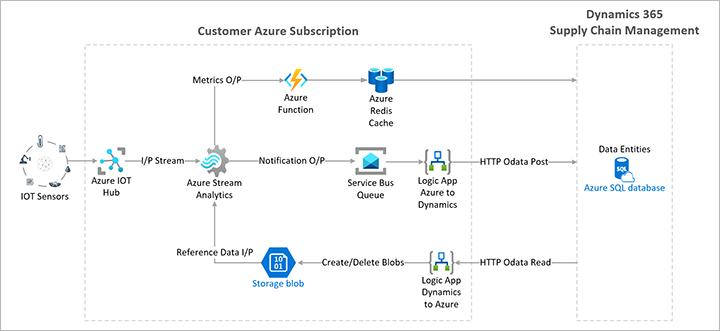
IoT and Real-Time Data Ingestion: For real-time operational visibility, D365 SCM can ingest data streams from IoT sensors and devices. The Sensor Data Intelligence add-in enables organizations to connect IoT sensors—such as temperature monitors on refrigeration equipment, vibration sensors on production machinery, or location beacons on mobile assets—directly to their D365 instance. Organizations can configure business rules and automated alerts, such as automatically generating a maintenance work order when machine temperature exceeds specified thresholds, enabling predictive maintenance strategies that prevent costly unplanned downtime.
Third-Party Connector Ecosystem: Beyond Microsoft's native capabilities, numerous certified integration partners offer pre-built connectors for popular logistics, e-commerce, and specialized industry systems. These connectors reduce integration costs and accelerate implementation timelines.
Successfully connecting these disparate systems creates the foundation for true end-to-end supply chain visibility, enabling the AI models within D365 to make optimized decisions based on complete, accurate, real-time operational data across the entire value chain. To explore the full system architecture and capabilities, review our comprehensive Microsoft Dynamics 365 SCM overview and features guide.
What are the security and compliance measures in Microsoft Dynamics 365 SCM?
Security and compliance represent foundational requirements for Dynamics 365 SCM, as supply chain data constitutes highly sensitive competitive intelligence including supplier pricing, inventory positions, production plans, and customer demand patterns. The platform is built on Microsoft Azure's enterprise-grade infrastructure and implements multiple layers of security controls addressing data protection, access management, and regulatory compliance.
Data Encryption and Protection: All data is encrypted both at rest (stored in Azure SQL Database using AES-256 encryption) and in transit (using industry-standard TLS 1.2 or higher protocols). This ensures that sensitive information remains protected from unauthorized access, whether stored in the cloud or transmitted between users and the system.
Identity and Access Management: Dynamics 365 SCM leverages Microsoft Entra ID (formerly known as Azure Active Directory) for user authentication and identity management. This enables robust security controls including multi-factor authentication (MFA), conditional access policies that can block login attempts from unrecognized locations or devices, and integration with existing enterprise identity systems through single sign-on (SSO) capabilities.
Role-Based Access Control (RBAC): Within the application, security operates at a highly granular level. Organizations can define specific roles such as “Warehouse Picker,” “Demand Planner,” or “Procurement Manager” and assign precise permissions controlling what data each role can view and what actions they can perform. This principle of least privilege ensures users can only access data relevant to their job function, preventing both accidental errors and intentional data misuse.
Compliance Certifications: The platform maintains adherence to extensive international and industry-specific compliance standards. Key certifications include SOC 1 Type II, SOC 2 Type II, and ISO/IEC 27001 for information security management. For organizations operating in Europe, the platform is fully GDPR compliant. Companies in regulated industries can access detailed compliance documentation and audit reports to support their own regulatory obligations.
Audit Trails and Monitoring: D365 SCM maintains comprehensive audit logs of user activity, tracking who accessed specific data, when access occurred, and what changes were made. This audit capability is essential for security forensics, compliance reporting, and investigating potential security incidents.
These layered security measures provide the enterprise-grade protection necessary for organizations to confidently entrust mission-critical and confidential supply chain operations to a cloud-based platform.
What is the Total Cost of Ownership (TCO) for Microsoft Dynamics 365 SCM?
The Total Cost of Ownership (TCO) for Dynamics 365 SCM extends significantly beyond initial software licensing fees. For enterprise-level ERP implementations, TCO represents a composite of software subscriptions, implementation services, customization efforts, and ongoing operational expenses. A comprehensive TCO analysis is essential for building an accurate business case and securing executive approval.
Software Licensing Costs: Dynamics 365 operates on a per-user, per-month subscription model. Different user types are available—including Full Users (complete access), Team Members (limited access), and Device Licenses (shared device access)—each with varying costs and capability levels. Advanced AI-powered features such as Planning Optimization and Supply Chain Insights may require separate add-in licenses, which can be consumption-based or flat-rate subscriptions depending on the specific feature.
Implementation and Deployment Costs: Implementation services typically represent the largest single expense, often ranging from 1.5x to 3x the annual software licensing cost. This includes engaging certified Microsoft Partners for business process analysis, system configuration, historical data migration, custom report development, user training programs, and project management. Implementation complexity varies dramatically based on factors such as the number of legal entities, international locations, integration requirements, and process standardization needs.
Customization and Integration Expenses: Organizations requiring unique workflows beyond standard functionality will incur custom development costs. Similarly, building robust integrations to legacy systems, third-party warehouse management systems, e-commerce platforms, or specialized industry applications adds to the project budget. Integration complexity increases with the number of systems and the quality of their APIs.
Ongoing Managed Services and Support: Post-implementation, most organizations retain implementation partners for ongoing support, system optimization, regular updates, and continuous improvement initiatives. This is typically structured as a monthly retainer or pre-purchased blocks of support hours.
Internal Resource Allocation: Organizations must account for the substantial time commitment required from internal personnel. Key stakeholders from operations, finance, IT, and business units must dedicate significant time to requirements gathering, testing, training, and change management—representing considerable internal opportunity costs.
Given these variables, TCO varies dramatically based on organizational complexity, customization requirements, and integration scope. Small, single-site manufacturers may experience vastly different costs compared to multinational distributors with complex global operations. Obtaining accurate TCO estimates requires engaging certified implementation partners who can provide detailed quotes based on specific organizational requirements and complexity factors.
How do you measure the ROI from AI features like Planning Optimization and predictive inventory management in Microsoft Dynamics 365 SCM?
Measuring Return on Investment (ROI) from AI features in Dynamics 365 SCM requires tracking specific, quantifiable Key Performance Indicators (KPIs) that directly connect technology investments to measurable business outcomes. The business case for AI adoption should be structured around “before and after” comparisons of core supply chain performance metrics.

Reduction in Inventory Holding Costs: Improved forecast accuracy and optimized safety stock calculations enable organizations to carry less inventory while maintaining or improving service levels. Calculate average inventory value before and after AI implementation; the reduction, multiplied by your inventory carrying cost percentage (typically 20-25% annually, including warehousing, insurance, obsolescence, and capital costs), represents direct bottom-line savings. For example, reducing average inventory from $10M to $8M at a 20% carrying cost yields $400,000 in annual savings.
Improved On-Time In-Full (OTIF) Delivery Performance: By predicting potential stockouts and optimizing supply plans, AI should increase your ability to deliver complete orders on time. OTIF improvements reduce financial penalties from major retail customers, decrease customer churn, and can justify premium pricing. Each percentage point improvement in OTIF can be valued based on penalty avoidance and customer retention impact.
Reduction in Expedited Freight Costs: Proactive planning and disruption prediction minimize last-minute emergencies requiring expensive expedited shipping. The decrease in expedited freight spend represents hard-dollar savings flowing directly to operating margins. Organizations should track expedited freight as a percentage of total transportation spend before and after implementation.
Increased Planner Productivity: Automation of data gathering, analysis, and scenario modeling allows supply chain planners to manage broader product portfolios or dedicate more time to strategic initiatives such as supplier negotiations or network optimization. This can be quantified by measuring SKUs managed per planner or by valuing the new strategic projects they can now undertake.
Reduction in Lost Sales from Stockouts: This represents one of the most significant but challenging-to-measure benefits. Using historical sales data and system alerts, organizations can estimate revenue previously lost when customers attempted to purchase out-of-stock products. The reduction in these instances represents recaptured revenue and improved customer satisfaction. Industry benchmarks suggest that improving product availability by 5 percentage points can increase revenue by 1-2% for most organizations.
Decreased Obsolescence and Markdown Costs: AI-driven inventory optimization reduces slow-moving and obsolete inventory, decreasing markdown losses and disposal costs. Track obsolescence write-offs and markdown percentages before and after implementation.
A comprehensive ROI analysis focuses on these tangible, operational improvements rather than abstract benefits, providing clear financial justification for AI investment and ongoing funding for continuous improvement initiatives.
What are the risks of relying on AI-driven recommendations in Microsoft Dynamics 365 SCM, and how can they be mitigated?
While AI-driven recommendations in Dynamics 365 SCM offer substantial performance improvements, uncritical reliance on automated suggestions poses significant operational and financial risks. Primary concerns include flawed outputs from poor data quality, the “black box” nature of some machine learning algorithms, and potential over-optimization for single metrics at the expense of broader business objectives (such as aggressively minimizing inventory to the point where supply chain resilience suffers).
Human-in-the-Loop (HITL) Workflow Implementation: The most critical mitigation strategy treats AI as a decision support co-pilot rather than an autonomous autopilot. The system should generate recommendations, but qualified human planners must review, validate, and approve them before execution. For instance, if the AI recommends canceling a large raw material purchase order, the planner should investigate the underlying reason (such as a forecast reduction) and consider qualitative factors the algorithm may not incorporate (such as planned marketing campaigns or strategic supplier relationships).
Establish Clear Guardrails and Exception Thresholds: Configure business rules and automated alerts that flag AI recommendations falling outside acceptable operational parameters. For example, implement a rule requiring mandatory senior management review and approval for any proposed safety stock change exceeding 25%. Similarly, set minimum inventory thresholds for critical products regardless of AI recommendations. These guardrails prevent drastic, potentially erroneous changes from being implemented without appropriate oversight.
Continuous Performance Monitoring and Model Validation: Regularly audit AI model performance through systematic comparison of forecasts against actual sales, analyzing how frequently inventory recommendations result in stockouts or excess inventory, and tracking the accuracy of disruption predictions. This feedback loop is essential for model refinement, identifying data quality issues, and building organizational trust in system outputs. Establish monthly or quarterly AI performance review sessions with cross-functional teams.
Invest in Training and Data Literacy: Teams must receive training not only on software operation but also on fundamental AI principles and how models generate recommendations. Planners who understand the data inputs, weighting factors, and logic behind recommendations are better equipped to identify anomalies and make informed judgment calls. This includes training on recognizing signs of model drift or data quality degradation.
Implement Gradual Rollout and Parallel Testing: Before fully deploying AI recommendations in production, run the system in “simulation mode” for a complete business quarter. Generate AI-driven forecasts and supply plans weekly, but continue executing the business using existing methods. Compare AI performance against current processes weekly, fine-tuning models in a risk-free environment while generating concrete evidence to build stakeholder confidence.
Data Quality Governance: Since AI output quality directly correlates with input data quality, establish robust data governance processes including regular data quality audits, clear data ownership assignments, and systematic data cleansing protocols. Poor master data or inaccurate lead times will consistently generate unreliable AI recommendations regardless of algorithm sophistication.
Ultimately, trust in AI systems is earned through demonstrated performance over time, not granted based on vendor promises. Organizations should adopt a measured, validation-focused approach to AI deployment, gradually expanding AI autonomy as confidence grows through proven results. For comprehensive implementation guidance and best practices, consult our complete Microsoft Dynamics 365 SCM FAQs resource.

Leave a Reply