Is JAGGAER the Right AI Supply Chain Solution for You?
Take This Quick Quiz to Find Out!
Key Takeaways
- Specialized S2P Platform: JAGGAER is a specialized Source-to-Pay platform with AI-powered automation, distinct from traditional ERP systems that serve as general business management tools
- Autonomous Commerce Vision: JAGGAER's AI-driven approach transforms inventory management from reactive to proactive, optimizing stock levels and reducing carrying costs by 15-30%
- Direct Materials Excellence: Unlike competitors focused on indirect spend, JAGGAER excels at managing complex Bills of Materials and multi-tiered inventory components for manufacturing environments
- ERP-Agnostic Integration: JAGGAER's open architecture seamlessly integrates with any major WMS or ERP platform, providing flexible deployment options across diverse technology landscapes
- Enterprise Investment Range: Typical warehouse implementations range from $250K-$1.5M+ for first year, with 4-12 month implementation timelines depending on complexity and scope
This comprehensive FAQ guide addresses the most critical questions organizations face when evaluating JAGGAER for AI-powered supply chain management. From understanding its core differences from traditional ERP systems to exploring its advanced Autonomous Commerce capabilities for warehouse optimization, this guide provides essential insights for procurement and operations leaders considering JAGGAER's platform for their inventory management transformation.

What is JAGGAER and how does it differ from a traditional ERP system?
JAGGAER is a specialized Source-to-Pay (S2P) software platform designed to manage the entire procurement and supplier lifecycle through AI-powered automation. Unlike traditional procurement solutions, JAGGAER's platform leverages advanced artificial intelligence to optimize how companies source, negotiate, purchase, and pay for goods and services across their supply chain operations.
The key difference from an Enterprise Resource Planning (ERP) system lies in specialization vs. generalization. An ERP serves as the central system of record for a business, managing core financial data, HR information, manufacturing operations, and sales transactions. JAGGAER, in contrast, functions as a “system of engagement” specifically for procurement and supply chain operations.
While your ERP records what you purchased and for how much (the financial record), JAGGAER manages the entire strategic process of procurement:
- AI-powered supplier discovery and evaluation
- Intelligent contract management and negotiation
- Automated compliance monitoring
- Predictive supplier risk management
- Real-time spend analytics and opportunity identification
JAGGAER integrates with your existing ERP system, exchanging critical data like purchase orders and invoices to ensure both systems remain synchronized. This integration creates a powerful combination: your ERP provides the financial backbone while JAGGAER's AI tools deliver the specialized procurement intelligence and workflow automation that generic ERP procurement modules typically cannot match.
For organizations looking to explore more advanced procurement solutions, this comprehensive JAGGAER Overview and Features analysis provides detailed insights into the platform's capabilities and competitive advantages in the AI-powered procurement space.


What does JAGGAER's “Autonomous Commerce” concept mean for warehouse and inventory management?
JAGGAER's “Autonomous Commerce” represents their strategic vision for an AI-driven, self-optimizing procurement ecosystem that significantly impacts warehouse and inventory management operations. Rather than replacing human decision-makers, this approach uses artificial intelligence to augment capabilities, automate routine tasks, predict future inventory needs, and proactively manage supply chain risks.
For warehouse and inventory management specifically, Autonomous Commerce delivers several transformative capabilities:
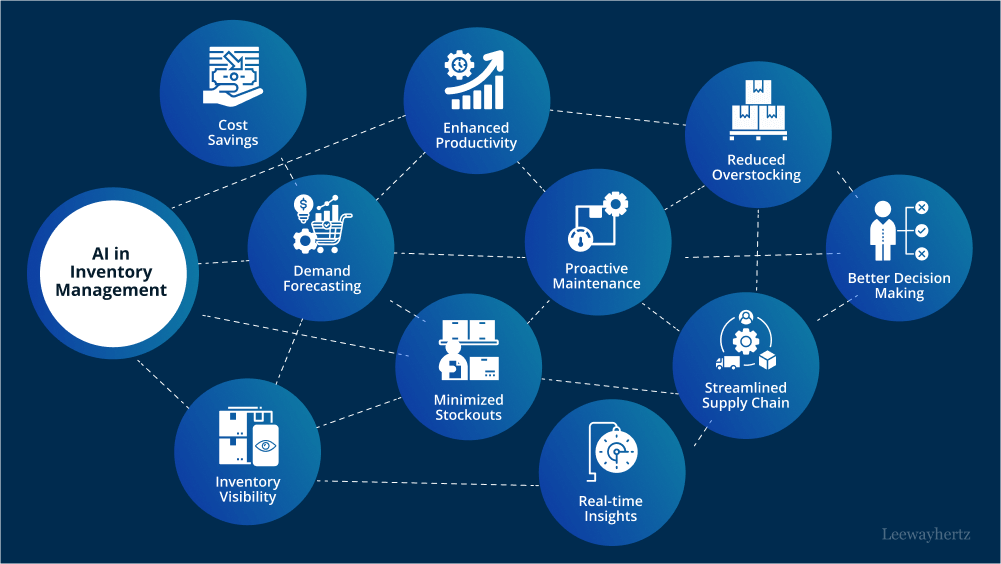
- AI-Powered Inventory Optimization: The system analyzes historical usage patterns, seasonal trends, and market conditions to automatically recommend optimal inventory levels, reducing both stockouts and excess inventory costs.
- Predictive Replenishment: Instead of reactive ordering, JAGGAER's AI monitors inventory levels and predicts when items will need replenishment, automatically initiating purchase requisitions before critical thresholds are reached.
- Intelligent Supplier Selection: The platform automatically identifies the optimal supplier for each inventory item based on multiple factors including price, delivery reliability, quality metrics, and geographic proximity to your warehouse facilities.
- Automated Exception Management: The system flags inventory anomalies (unusual demand spikes, delayed shipments, quality issues) and suggests mitigation actions before they impact operations.
- Digital Twin Simulation: Advanced users can create virtual models of their warehouse and inventory flows to simulate different scenarios and optimize stocking strategies.
This AI-driven approach transforms inventory management from a reactive, manual process into a proactive, largely automated function where human managers focus on strategic decisions while the system handles routine optimization and execution.

How does JAGGAER compare to competitors like SAP Ariba and Coupa for warehouse and inventory management?
JAGGAER, SAP Ariba, and Coupa all offer AI-powered procurement capabilities, but they have distinct strengths when it comes to warehouse and inventory management functionality:
JAGGAER excels in complex direct materials procurement and inventory management, particularly for manufacturing, healthcare, and other industries with intricate supply chains. Its key advantages include:
- Superior handling of complex Bills of Materials (BOMs) and multi-tiered inventory components
- Advanced AI capabilities for managing technical specifications and quality parameters
- Specialized warehouse optimization features including slotting recommendations and inventory flow analysis
- Strong ERP-agnostic architecture, allowing seamless integration with diverse warehouse management systems
- Deep expertise in regulated industries with strict inventory tracking requirements
SAP Ariba's primary strength is its native integration with the SAP ecosystem, making it the logical choice for organizations heavily invested in SAP's ERP and warehouse management solutions. It offers:
- Seamless data flow between SAP S/4HANA and warehouse management modules
- Strong indirect procurement capabilities with good inventory visibility
- Well-established supplier network for rapid sourcing of warehouse supplies
- Standardized workflows aligned with SAP's inventory management processes
Coupa is known for its user-friendly interface and comprehensive spend management approach. Its warehouse and inventory strengths include:
- Intuitive user experience that drives high adoption among warehouse staff
- Strong analytics for inventory spend visibility and cost control
- Excellent capabilities for indirect materials management (MRO supplies, warehouse equipment)
- Community intelligence that benchmarks your inventory performance against peers
The optimal choice depends on your warehouse complexity and existing technology landscape. Organizations managing complex manufacturing inventories across multiple facilities typically find JAGGAER's specialized capabilities more valuable, while those deeply embedded in the SAP ecosystem may benefit more from Ariba's native integration.
For a detailed comparison analysis, consider reviewing this comprehensive guide to JAGGAER Top Alternatives and Competitors which provides in-depth evaluation criteria for selecting the optimal procurement platform for your specific warehouse environment.

How does JAGGAER's AI specifically improve warehouse operations and inventory management?
JAGGAER's artificial intelligence transforms warehouse operations and inventory management from reactive, manual processes into proactive, data-driven functions that significantly reduce costs while improving operational efficiency.
For Warehouse Operations, JAGGAER's AI delivers several key improvements:
- Intelligent Slotting Optimization: The AI analyzes picking patterns, product characteristics, and historical demand to recommend optimal warehouse layouts that minimize travel time and maximize picking efficiency.
- Labor Planning Intelligence: By analyzing historical order patterns and seasonality data, the AI forecasts labor requirements across different warehouse zones, helping managers schedule the right resources at the right times.
- Automated Exception Handling: Rather than requiring manual monitoring, the system automatically flags anomalies in receiving, putaway, and picking processes, allowing managers to focus only on issues requiring human intervention.
- Predictive Maintenance: For warehouse equipment and automation systems, the AI monitors performance data to predict potential failures before they occur, reducing costly downtime.
For Inventory Management, JAGGAER's AI provides:
- Demand Forecasting: The system uses machine learning to analyze historical usage patterns, market trends, and even external factors like weather to predict future inventory needs with greater accuracy than traditional methods.
- Dynamic Safety Stock Calculation: Instead of static safety stock levels, the AI continuously recalculates optimal buffer inventory based on supplier reliability, lead time variability, and demand fluctuations.
- Obsolescence Prevention: The system identifies slow-moving inventory and recommends proactive measures (promotions, transfers, returns) before items become obsolete.
- Inventory Visibility: AI-powered analytics provide real-time insights across distributed warehouse networks, identifying opportunities to rebalance inventory and optimize overall holdings.
These AI capabilities enable a self-optimizing warehouse ecosystem that continuously improves while freeing human managers to focus on strategic initiatives rather than tactical firefighting.
Organizations interested in implementing AI-driven warehouse optimization can find practical guidance in this detailed JAGGAER Tutorials and Usecase guide, which provides step-by-step implementation strategies and real-world application examples.

Can JAGGAER manage the complexities of direct materials inventory in manufacturing environments?
Yes, managing direct materials inventory in complex manufacturing environments is one of JAGGAER's core strengths and key differentiators. While many procurement platforms excel at indirect spend (office supplies, services), JAGGAER is specifically engineered to handle the significantly higher complexity of direct materials—the raw materials, components, and assemblies that directly go into manufactured products.
JAGGAER's capabilities for direct materials inventory management include:
- Multi-level Bill of Materials (BOM) Management: The platform can ingest and manage complex BOMs from ERP or PLM systems, enabling procurement teams to understand component dependencies, track inventory at each level, and aggregate demand for common parts across different finished goods.
- Component-level Inventory Visibility: Unlike basic systems that track only finished goods, JAGGAER provides visibility into inventory positions for individual components across the entire supply network, including work-in-process.
- Engineering Change Order (ECO) Management: The system tracks revisions to parts and specifications, managing the inventory implications of design changes and helping prevent obsolescence when components are modified.
- Batch and Lot Traceability: Critical for regulated industries, JAGGAER supports tracking materials by batch, lot, and serial number throughout the inventory lifecycle.
- Supplier Capacity Management: The AI monitors supplier production capacity against your inventory requirements, alerting you when capacity constraints might impact your ability to maintain target inventory levels.
- Alternate Part Management: The system maintains information on approved substitute components, enabling rapid inventory adjustments when primary components face availability challenges.
- Quality Integration: Quality parameters and inspection requirements are integrated directly into the inventory management workflow, ensuring that quality issues are identified before materials enter production.
These specialized capabilities make JAGGAER particularly valuable for manufacturers in complex industries like automotive, aerospace, electronics, and life sciences, where managing thousands of components with strict quality and regulatory requirements is essential to operational success.
How does JAGGAER integrate with existing Warehouse Management Systems (WMS) and ERPs?
JAGGAER is designed with an ERP-agnostic, open integration architecture that enables seamless connections with virtually any major Warehouse Management System (WMS) or Enterprise Resource Planning (ERP) platform. This integration flexibility is particularly valuable for organizations with complex warehouse operations or multi-system environments.

The integration architecture creates bidirectional data flows through several key mechanisms:
- API-First Integration Framework: JAGGAER provides a comprehensive set of RESTful APIs that allow for real-time data exchange with WMS platforms like Manhattan Associates, Blue Yonder (formerly JDA), HighJump, and Oracle WMS, as well as major ERPs including SAP S/4HANA, Oracle Fusion, Microsoft Dynamics, and Infor.
- Pre-Built Connectors: For common systems, JAGGAER offers configurable connectors that accelerate integration timelines and reduce custom development requirements.
- Master Data Synchronization: The platform establishes automated syncs for critical warehouse data including:
- Item master data (SKUs, descriptions, dimensions, storage requirements)
- Location hierarchies (warehouses, zones, bins)
- Inventory positions and movements
- Supplier information
- Unit of measure conversions
- Key Process Integration Points:
- Purchase orders generated in JAGGAER are automatically transmitted to the WMS as expected receipts
- Receipt confirmations flow from the WMS back to JAGGAER for invoice matching
- Inventory movements and adjustments in the WMS update availability data in JAGGAER
- Inventory thresholds in the WMS trigger automated replenishment workflows in JAGGAER
- Event-Based Architecture: JAGGAER's integration layer supports real-time event triggering, allowing warehouse events (like receipts, quality holds, or transfers) to immediately initiate appropriate actions in the procurement workflow.
This integration approach enables JAGGAER to function as an intelligent procurement layer that complements your existing warehouse systems rather than replacing them. The WMS remains the execution system for day-to-day warehouse operations, while JAGGAER provides the strategic sourcing, supplier management, and procurement intelligence that most WMS platforms lack.

What is a typical implementation timeline for JAGGAER in a warehouse environment?
A typical JAGGAER implementation for warehouse and inventory management environments ranges from 4 to 12 months, with the timeline largely dependent on scope, complexity, and organizational readiness. Implementations focused on specific modules (like eProcurement for warehouse supplies) tend toward the shorter end, while full-suite deployments across multiple warehouses with complex integration requirements fall on the longer end.
The implementation process typically follows these phases:
- Discovery & Design (4-8 weeks)
- Current-state assessment of warehouse processes and inventory management workflows
- Identification of integration points with WMS, ERP, and other warehouse systems
- Future-state process mapping and configuration requirements
- Definition of warehouse-specific KPIs and reporting needs
- Configuration & Integration (8-16 weeks)
- Core platform configuration for warehouse-specific requirements
- Building and testing integrations with warehouse systems
- Data migration for suppliers, items, and historical inventory transactions
- Configuration of warehouse-specific business rules and approval workflows
- Testing & Training (4-8 weeks)
- User Acceptance Testing (UAT) with warehouse personnel
- Integration testing across the full procure-to-pay process
- Role-based training for warehouse managers, inventory planners, and procurement teams
- Simulation exercises with real warehouse scenarios
- Go-Live & Stabilization (4-6 weeks)
- Phased rollout, often starting with a pilot warehouse
- Intensive support during initial weeks of operation
- Performance monitoring against established warehouse KPIs
- Refinement of configurations based on real-world usage
Key Success Factors Specific to Warehouse Implementations:
- Warehouse Data Quality: Clean, accurate data on locations, SKUs, and inventory positions is essential for successful AI-powered optimization.
- Stakeholder Alignment: Early involvement of warehouse operations, inventory management, and procurement teams ensures the solution meets diverse needs.
- Change Management: Warehouse environments often have established processes; robust change management is critical for user adoption.
- Integration Testing: Thorough testing of real-time data flows between JAGGAER and warehouse systems prevents disruptions to critical operations.
Organizations that allocate dedicated resources and prioritize data quality typically achieve the most successful implementations and faster time-to-value for their warehouse operations.
What is JAGGAER's pricing model for warehouse and inventory management solutions?
JAGGAER's pricing structure for warehouse and inventory management solutions follows an enterprise SaaS model with customized pricing based on several key variables. Unlike simpler procurement tools with standardized pricing tiers, JAGGAER tailors its cost structure to each organization's specific scale and complexity.
The primary components that determine pricing include:
- Modules Deployed: JAGGAER offers modular licensing, allowing organizations to select specific capabilities relevant to their warehouse operations. Core modules that impact pricing include:
- eProcurement (for warehouse supplies and MRO items)
- Inventory Management
- Supplier Management
- Analytics & Reporting
- Advanced Planning
- Warehouse Scale Metrics: Several scale factors influence pricing:
- Total warehouse spend under management
- Number of warehouse locations
- Inventory value managed through the system
- Transaction volume (purchase orders, receipts, etc.)
- User Types and Counts: Different user roles have different licensing requirements:
- Administrative users (full platform access)
- Warehouse managers (analytics and approval access)
- Buyers and inventory planners (operational access)
- Requisitioners (limited access for order requests)
- Integration Complexity: The number and complexity of integrations with warehouse systems impacts implementation costs:
- Standard WMS/ERP connectors
- Custom integrations with legacy systems
- Real-time vs. batch integration requirements
The total investment typically includes:
- Annual Subscription: The recurring SaaS license fee based on the factors above
- Implementation Services: One-time professional services for configuration, integration, and deployment
- Optional Services: Training, change management, and advanced optimization services
While JAGGAER doesn't publish standard pricing, warehouse implementations typically range from $250,000 to $1.5+ million for the first year (including implementation), with annual subscriptions ranging from $100,000 to $750,000+ depending on scale and module selection. Organizations should expect to allocate 15-20% of the annual subscription for ongoing support and optimization.
For accurate pricing, organizations should engage directly with JAGGAER to conduct a detailed scoping assessment of their specific warehouse environment and requirements.
What security and compliance certifications does JAGGAER maintain for handling sensitive supply chain data?
JAGGAER maintains a comprehensive security and compliance program that meets the stringent requirements for handling sensitive supply chain and inventory data. This is particularly important as warehouse and inventory systems often contain competitive intelligence about supply chain strategies, cost structures, and supplier relationships that require robust protection.
JAGGAER's security framework is built on internationally recognized standards and includes the following key certifications:
- SOC 1 Type 2 and SOC 2 Type 2: These certifications verify that JAGGAER maintains effective controls over financial reporting (SOC 1) and meets the rigorous Trust Services Criteria for security, availability, processing integrity, confidentiality, and privacy (SOC 2). These reports are particularly important for organizations subject to Sarbanes-Oxley (SOX) requirements.
- ISO/IEC 27001: This certification confirms JAGGAER's compliance with international standards for establishing, implementing, maintaining, and continually improving an information security management system. It covers all aspects of data protection including risk assessment methodologies and security controls.
- ISO/IEC 27017: This specialized certification focuses on cloud security controls, verifying that JAGGAER implements appropriate safeguards for cloud-based supply chain data.
- ISO/IEC 27018: This certification specifically addresses the protection of personally identifiable information (PII) in public clouds, ensuring that any personal data related to warehouse workers, supplier contacts, or other individuals is properly protected.
Additional security features particularly relevant to warehouse and inventory management include:
- Role-based access controls that restrict data visibility based on warehouse location, inventory category, and functional role
- Granular permission settings for sensitive inventory data like costs, margins, and supplier terms
- Comprehensive audit trails that track all changes to inventory records, orders, and supplier information
- Data encryption both in transit and at rest for all warehouse and inventory data
- Multi-factor authentication to prevent unauthorized access to inventory systems
Security & Compliance Verification Notice: The security certifications listed (SOC 1/2, ISO 27001 series) are critical for evaluating data protection and risk management in a supply chain context. These certifications are subject to periodic audits and renewals. Recommendation: Before making a purchasing decision, it is imperative that prospective customers request and review the latest official compliance reports and audit attestations directly from JAGGAER. This ensures you have the most current information regarding the scope, status, and any exceptions related to their certifications. Always validate security protocols with your organization's CISO or qualified IT security professionals.
For organizations evaluating JAGGAER's security posture in detail, this comprehensive JAGGAER Review focusing on AI procurement risks provides additional analysis of security considerations and risk mitigation strategies for AI-powered supply chain platforms.

How can JAGGAER's AI tools optimize inventory levels and reduce carrying costs?
JAGGAER's AI-powered inventory optimization capabilities address one of the most challenging aspects of warehouse management: finding the perfect balance between inventory availability and carrying costs. The platform leverages sophisticated algorithms and machine learning to transform traditional inventory management from a static, rule-based approach to a dynamic, self-optimizing system.
Here's how JAGGAER's AI specifically reduces inventory carrying costs while maintaining service levels:
1. Intelligent Demand Forecasting
- The AI analyzes historical consumption patterns across multiple time horizons (daily, weekly, seasonal)
- It incorporates external variables that traditional systems miss, such as weather patterns, market trends, and even social media signals
- Machine learning continuously improves forecast accuracy by learning from prediction errors
- The result is a 15-30% reduction in forecast error compared to traditional methods
2. Dynamic Safety Stock Calculation
- Instead of fixed safety stock rules, the AI continuously recalculates optimal buffer levels
- It factors in supplier performance history, lead time variability, and demand volatility
- The system evaluates the financial trade-off between stockout risk and carrying costs
- Organizations typically achieve 20-25% reduction in safety stock without service level impacts
3. Inventory Segmentation and Policies
- The AI automatically segments inventory based on value, criticality, demand patterns, and supply risk
- It then applies differentiated stocking policies to each segment
- High-value, slow-moving items receive tighter controls while low-value, high-velocity items use simpler replenishment models
- This targeted approach typically reduces overall inventory by 10-15%
4. Multi-Echelon Optimization
- For organizations with distributed warehouse networks, the AI optimizes inventory across locations
- It identifies opportunities to consolidate stock at regional hubs versus local warehouses
- The system recommends optimal transfer patterns between facilities
- Companies achieve an additional 5-10% inventory reduction through network-level optimization
5. Supplier Collaboration Enhancement
- The AI identifies opportunities for vendor-managed inventory (VMI) and consignment arrangements
- It evaluates supplier reliability for potential just-in-time (JIT) implementation
- The platform facilitates sharing of forecast data with suppliers to improve their planning
- These collaborative approaches can reduce owned inventory by 10-20% for applicable categories
Organizations implementing JAGGAER's AI-powered inventory optimization typically achieve 15-30% overall reduction in inventory carrying costs while maintaining or improving service levels, representing millions in working capital improvements for mid-to-large enterprises.
To explore more AI-powered solutions for warehouse optimization, this comprehensive guide to the Best 10 AI for Order Fulfillment & Picking 2025 provides valuable insights into complementary technologies that can enhance your overall warehouse automation strategy.
Ready to Transform Your Supply Chain? This comprehensive FAQ guide provides the essential foundation for understanding JAGGAER's AI-powered capabilities for warehouse and inventory management. For organizations ready to take the next step, consider exploring detailed JAGGAER FAQs or reviewing specific implementation strategies tailored to your industry requirements.
JAGGAER's Autonomous Commerce vision represents the future of intelligent supply chain management, where AI-driven insights and automation transform traditional warehouse operations into strategic competitive advantages. Whether you're managing complex direct materials in manufacturing environments or optimizing inventory across distributed warehouse networks, JAGGAER's specialized capabilities offer a compelling path to operational excellence and cost optimization.

Leave a Reply